
National Conference
on
Assured Clean Piped Water to All
The Road Ahead
12 December 2025 | 10:00 am – 5:00 pm
Jacaranda Hall, India Habitat Centre, New Delhi
Supported by

Access to clean drinking water is a fundamental human right and a cornerstone of national progress. As India advances its vision to be a developed economy by 2047, clean water and sanitation are non-negotiable determinants of public health, gender equality, social equity, and overall quality of life for the 1.45 billion citizens of India. The government recognizes that true development cannot happen till the time assured clean piped water is ensured to every household irrespective of geographical remoteness, area sensitivity, or socio-economic situation. This effort aligns with the broader national agenda of universal provision of essential amenities like safe sanitation, affordable housing, electricity, cooking gas, healthcare, roads, digital banking among others, thereby enhancing the ease of living and quality of life for all citizens and leaving no one behind.
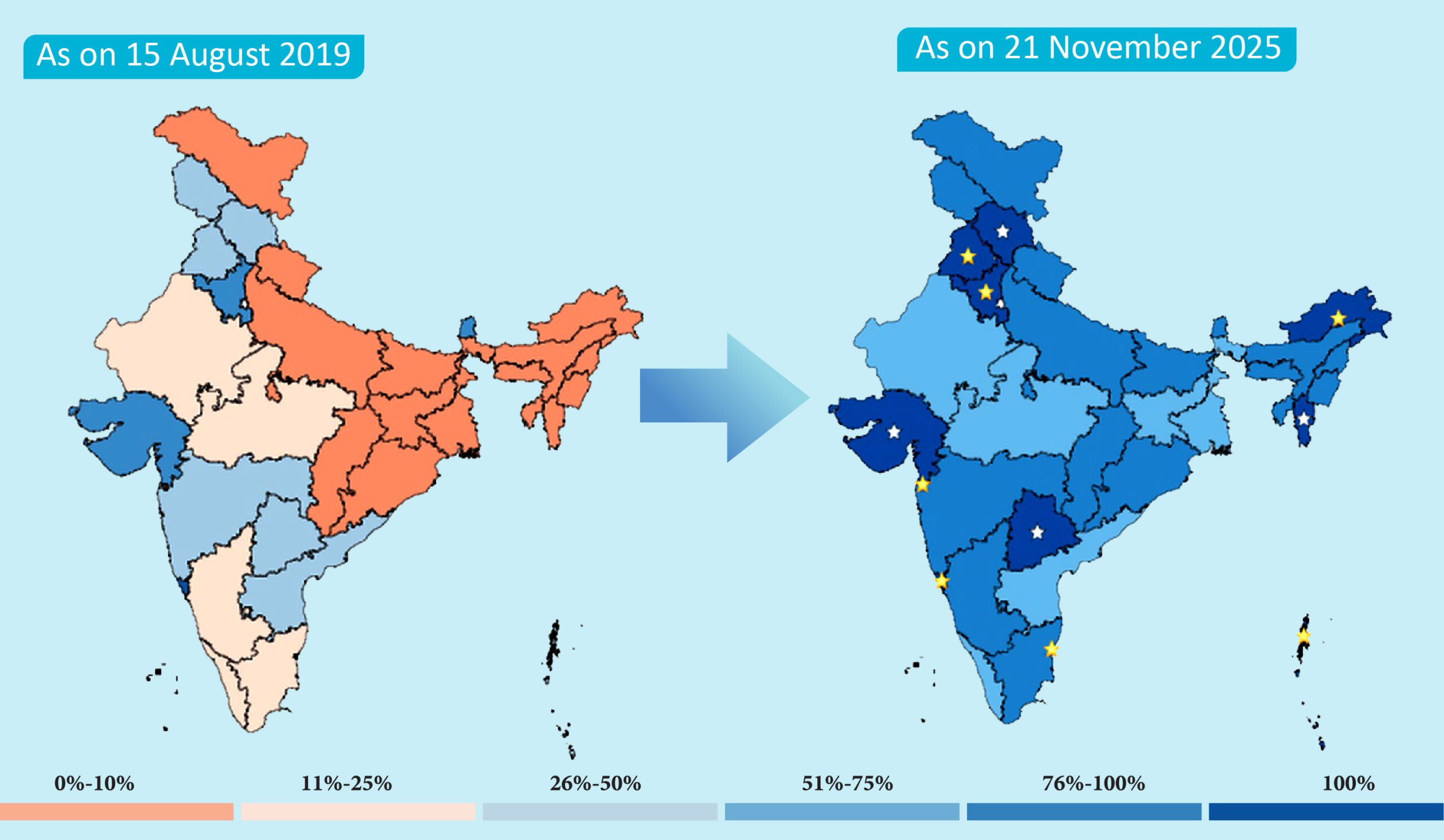
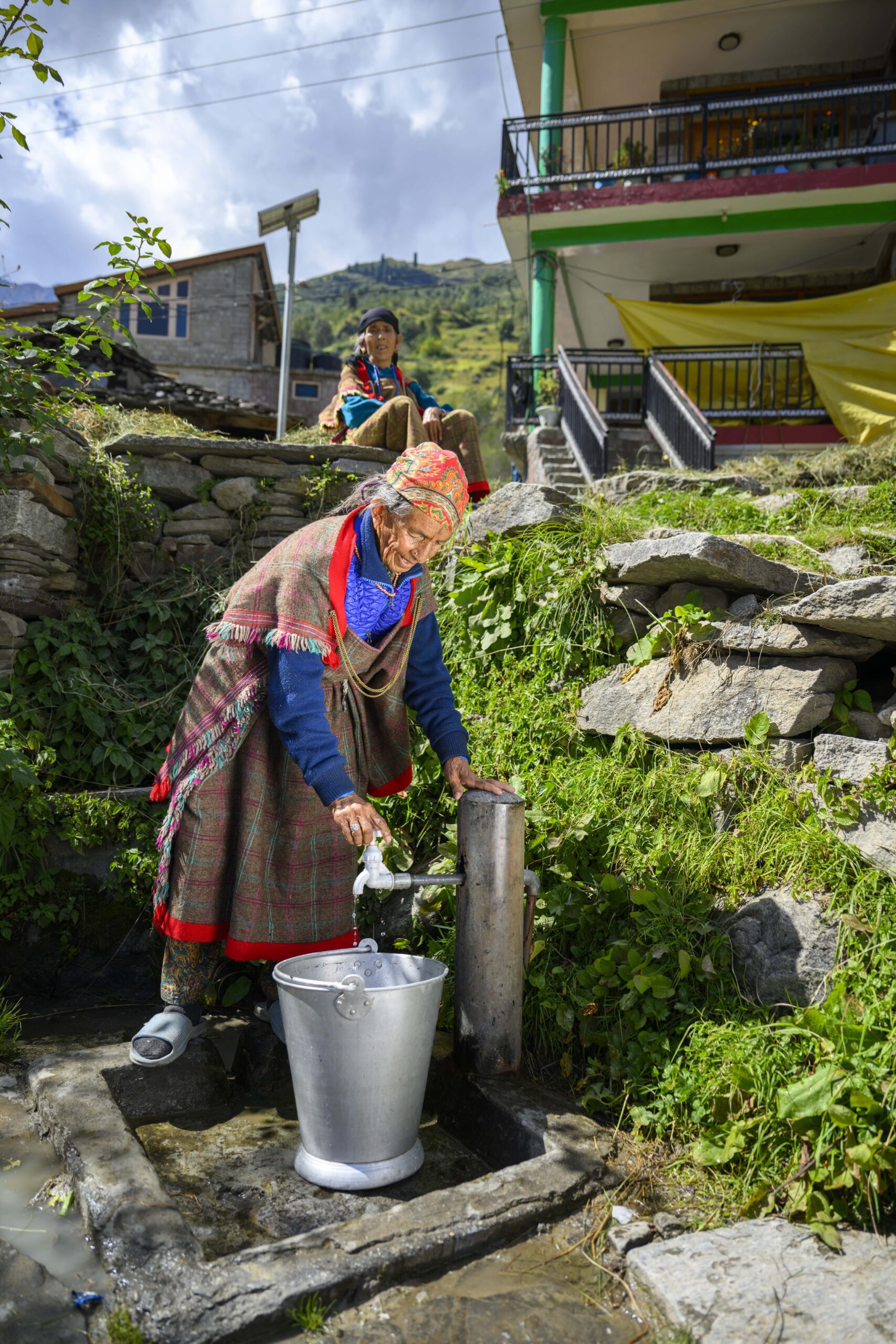
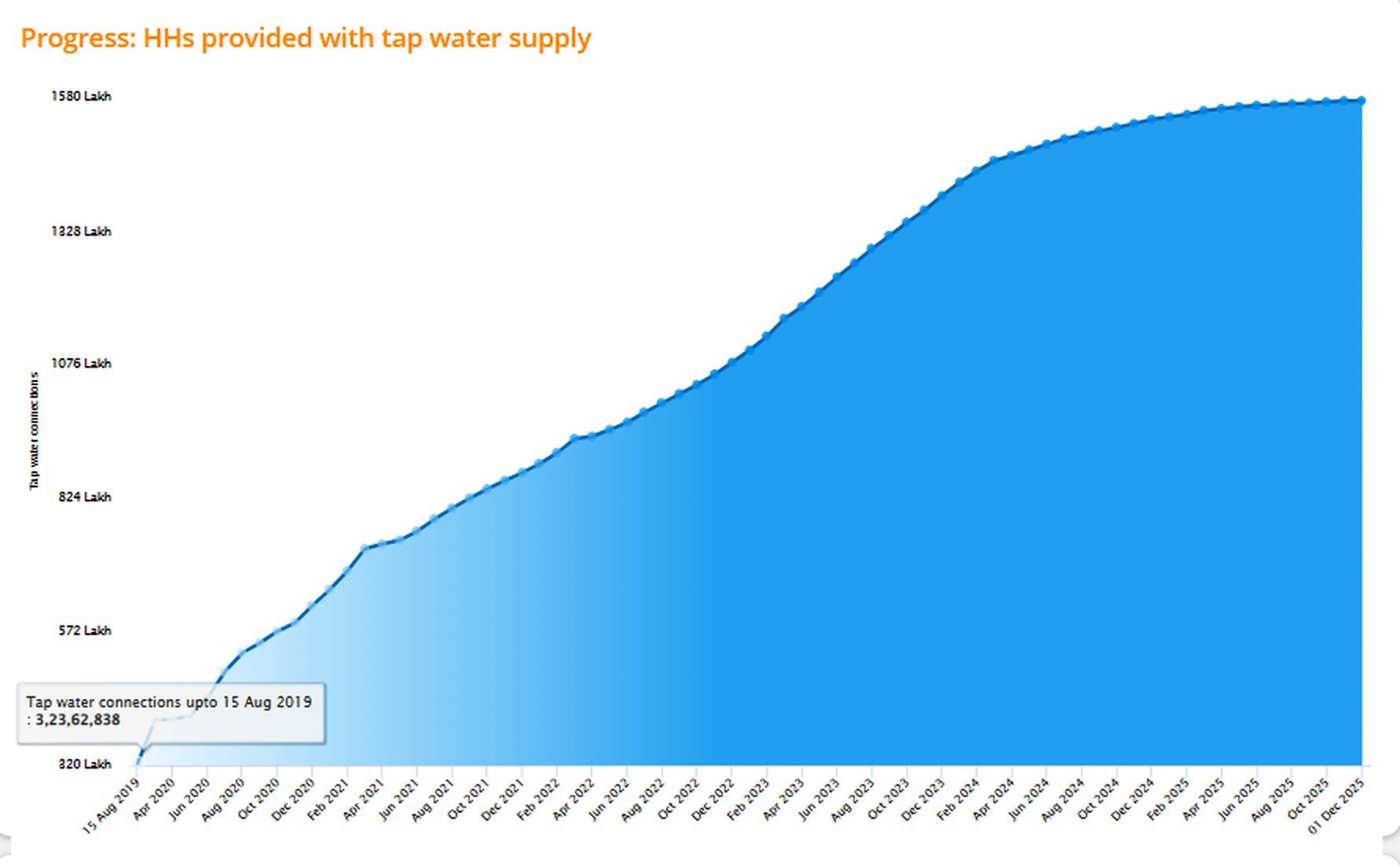
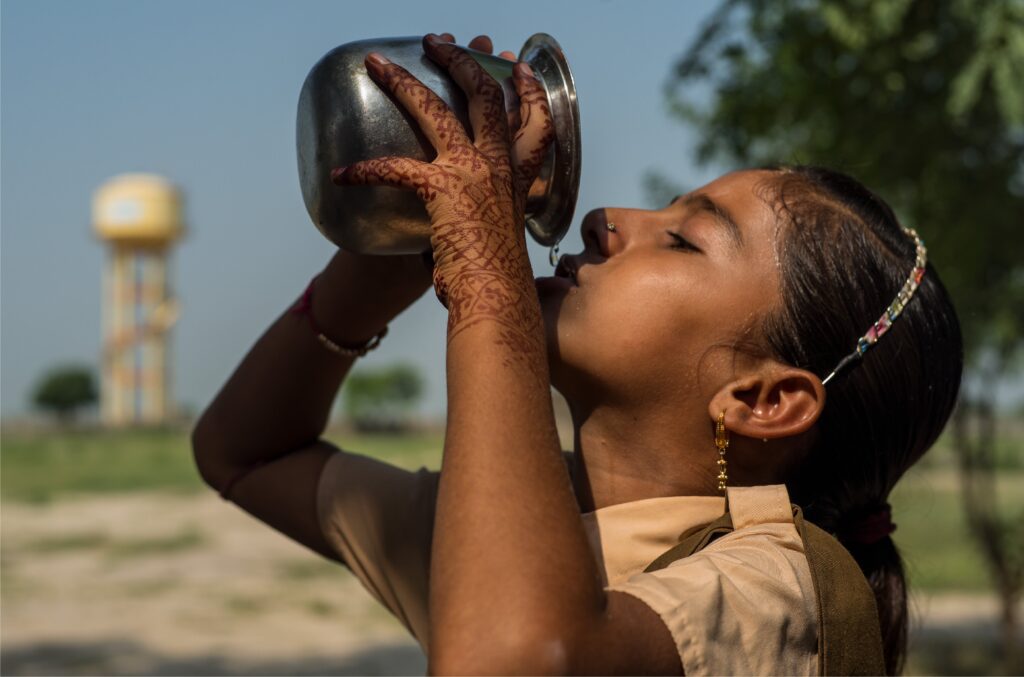
The availability of functional household tap connections has demonstrably improved public health, increased school attendance especially among girls and freed
millions of women from the daily burden of fetching water, leading to better productivity, dignity, and economic growth in rural areas.
About the Conference
Objectives
Event Gallery



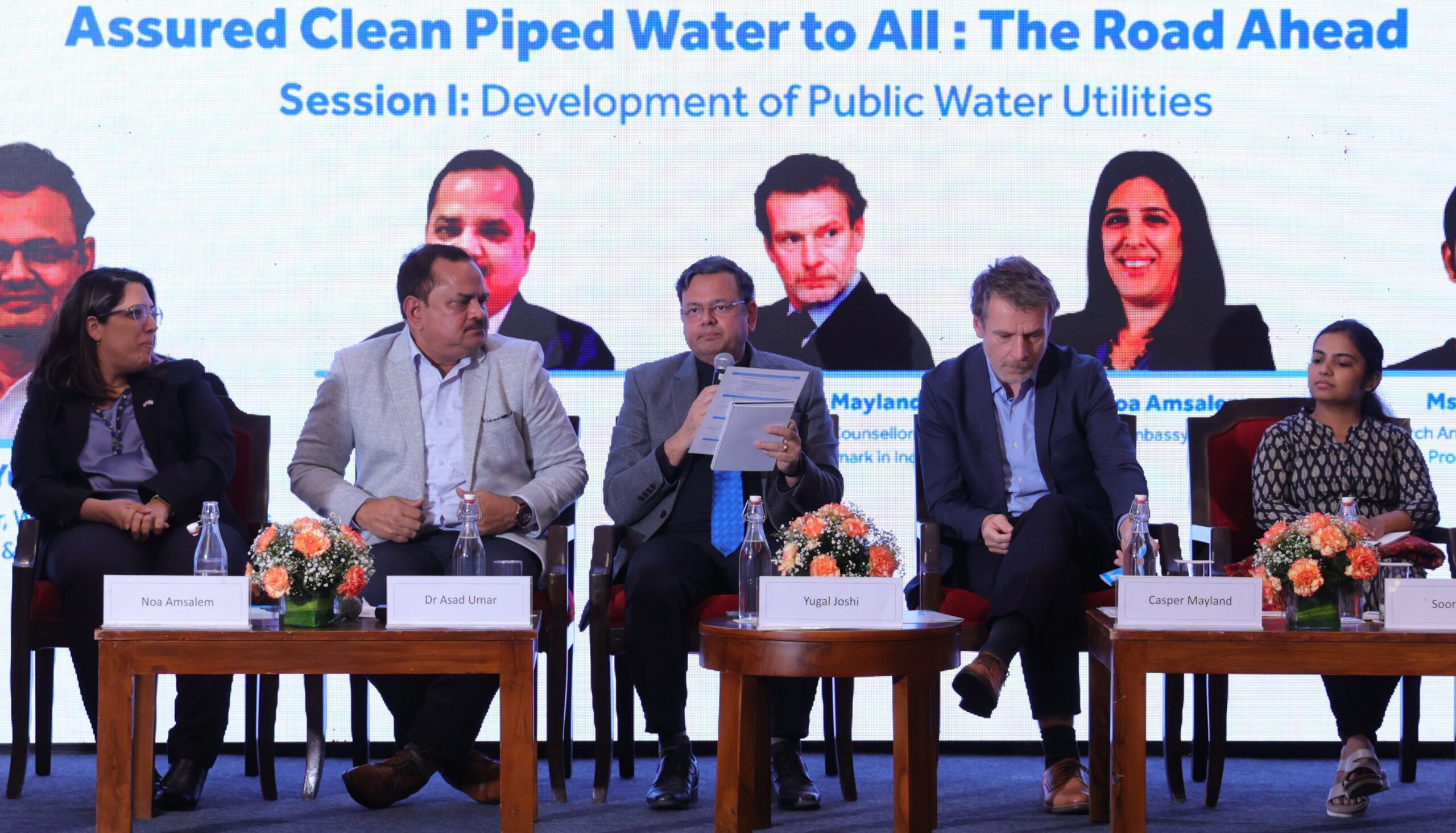

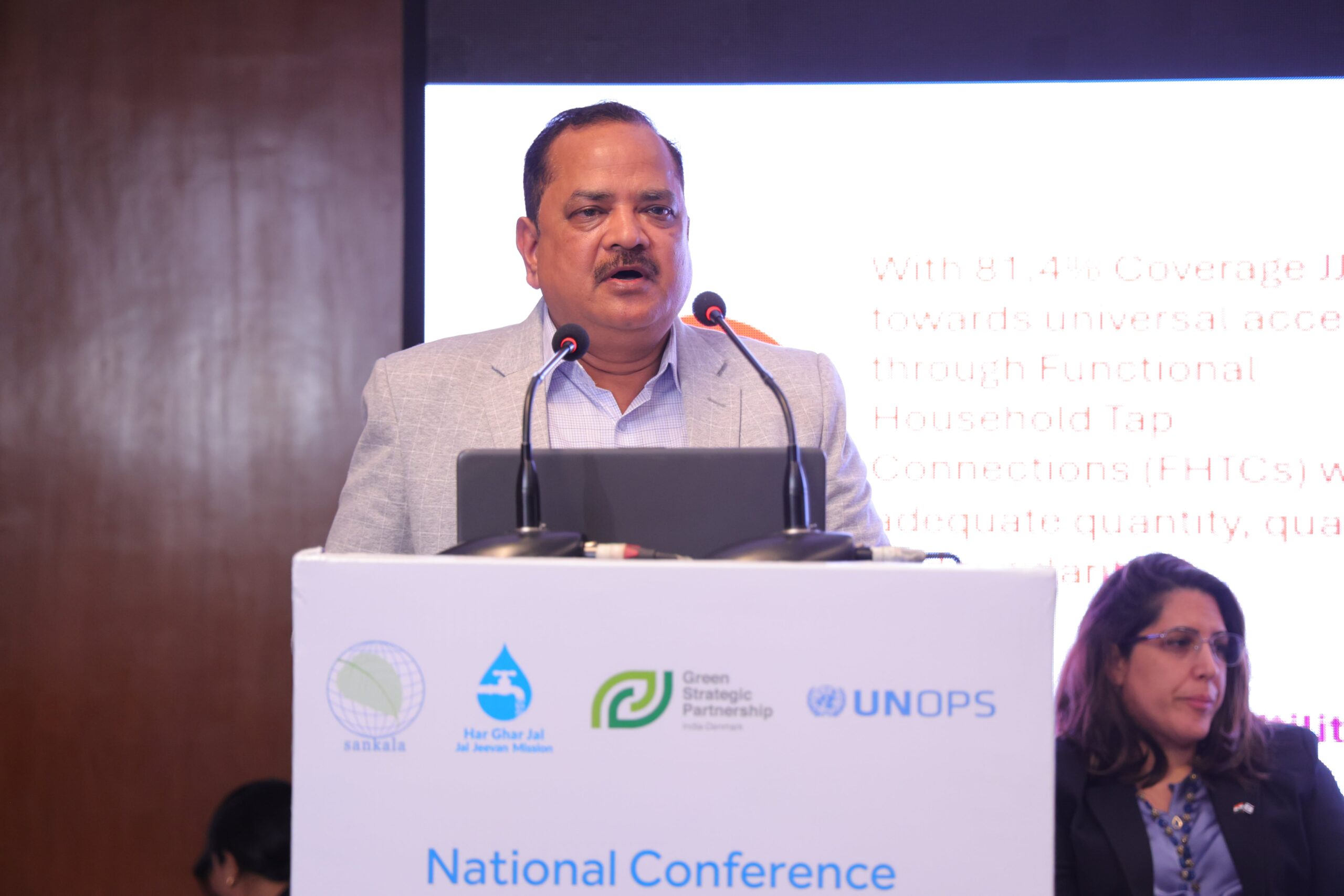

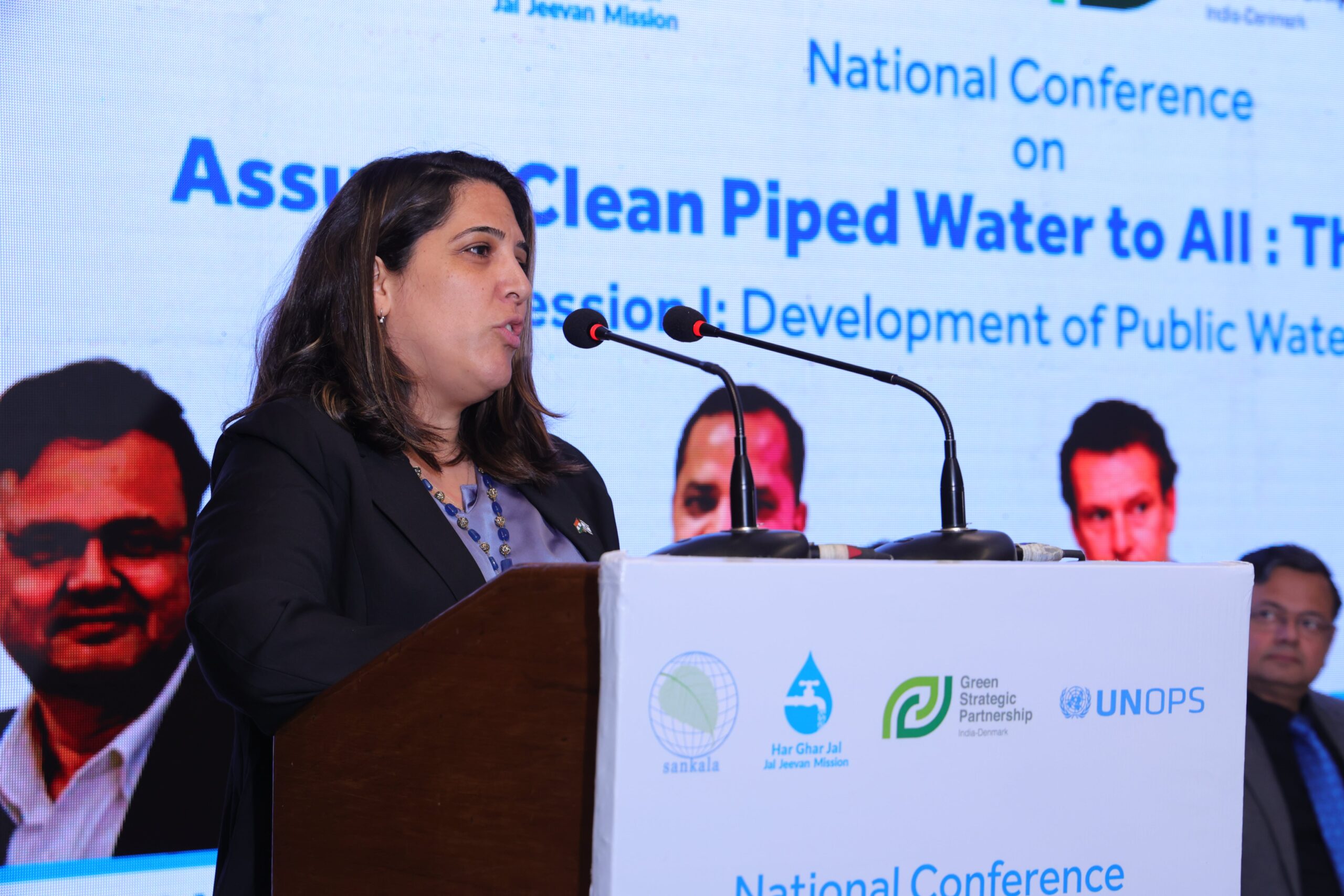
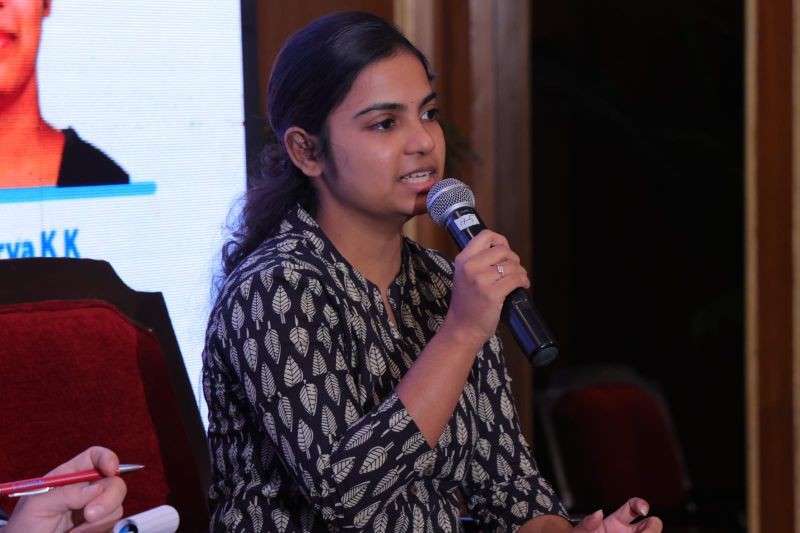
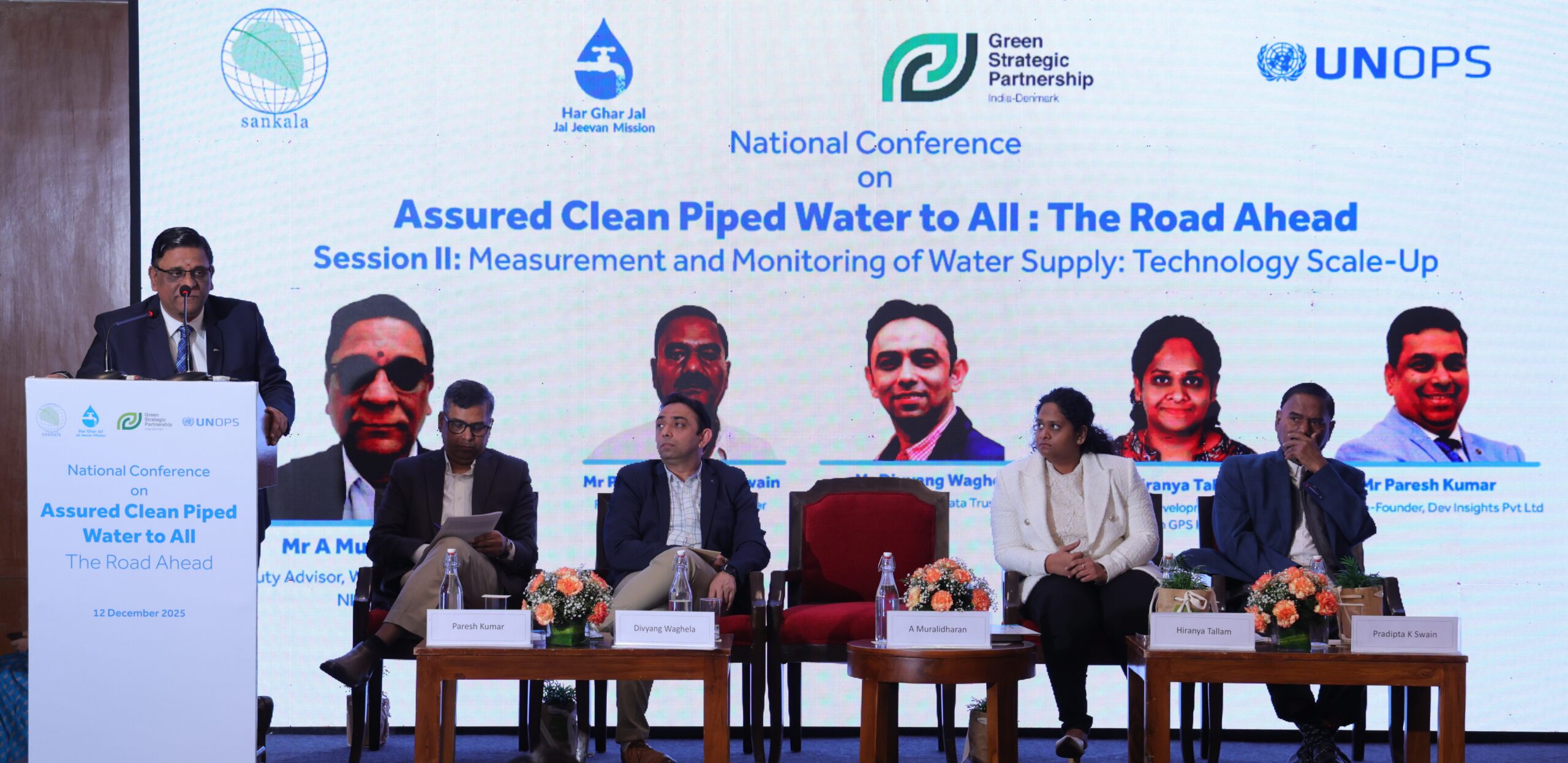

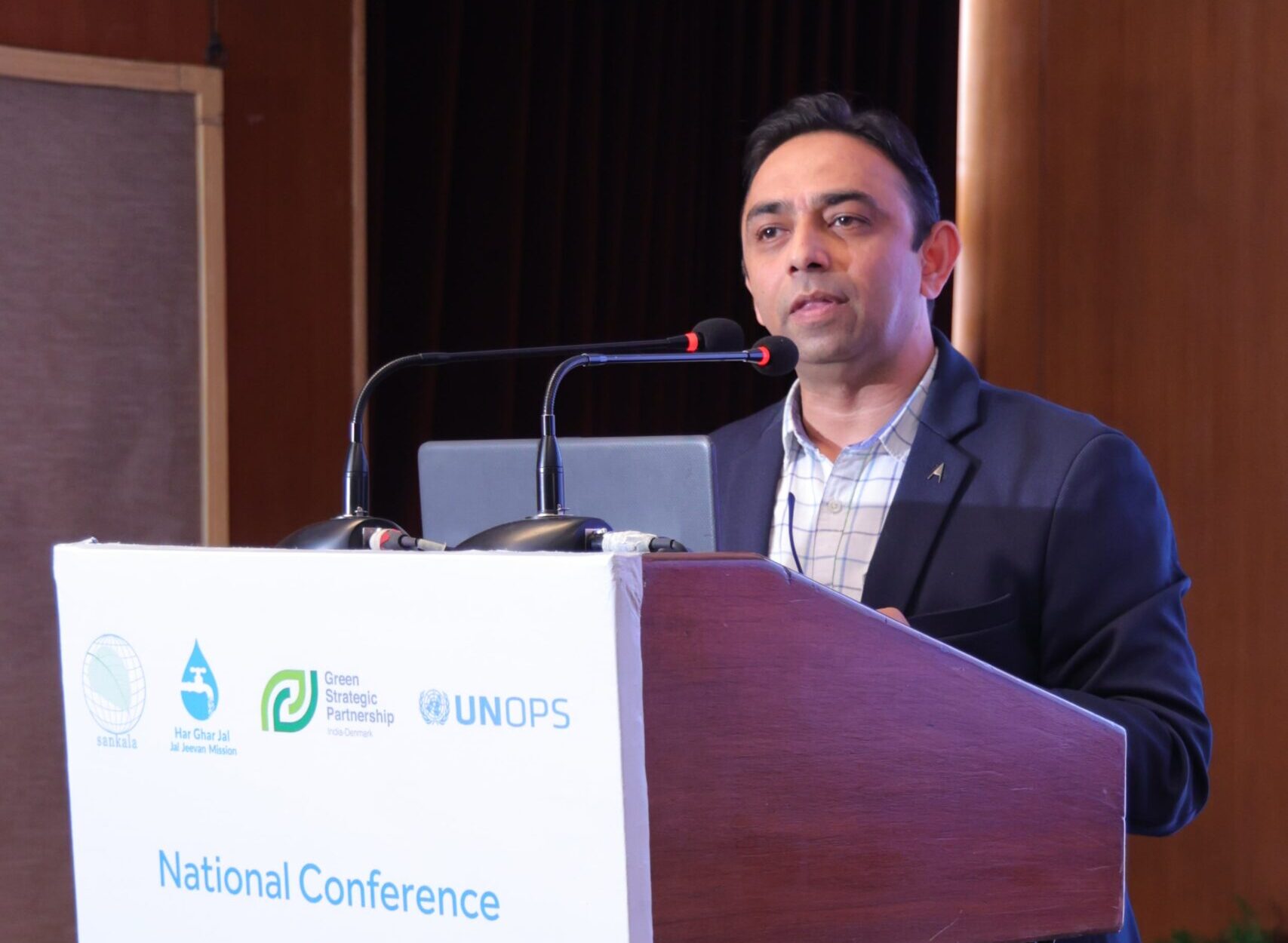
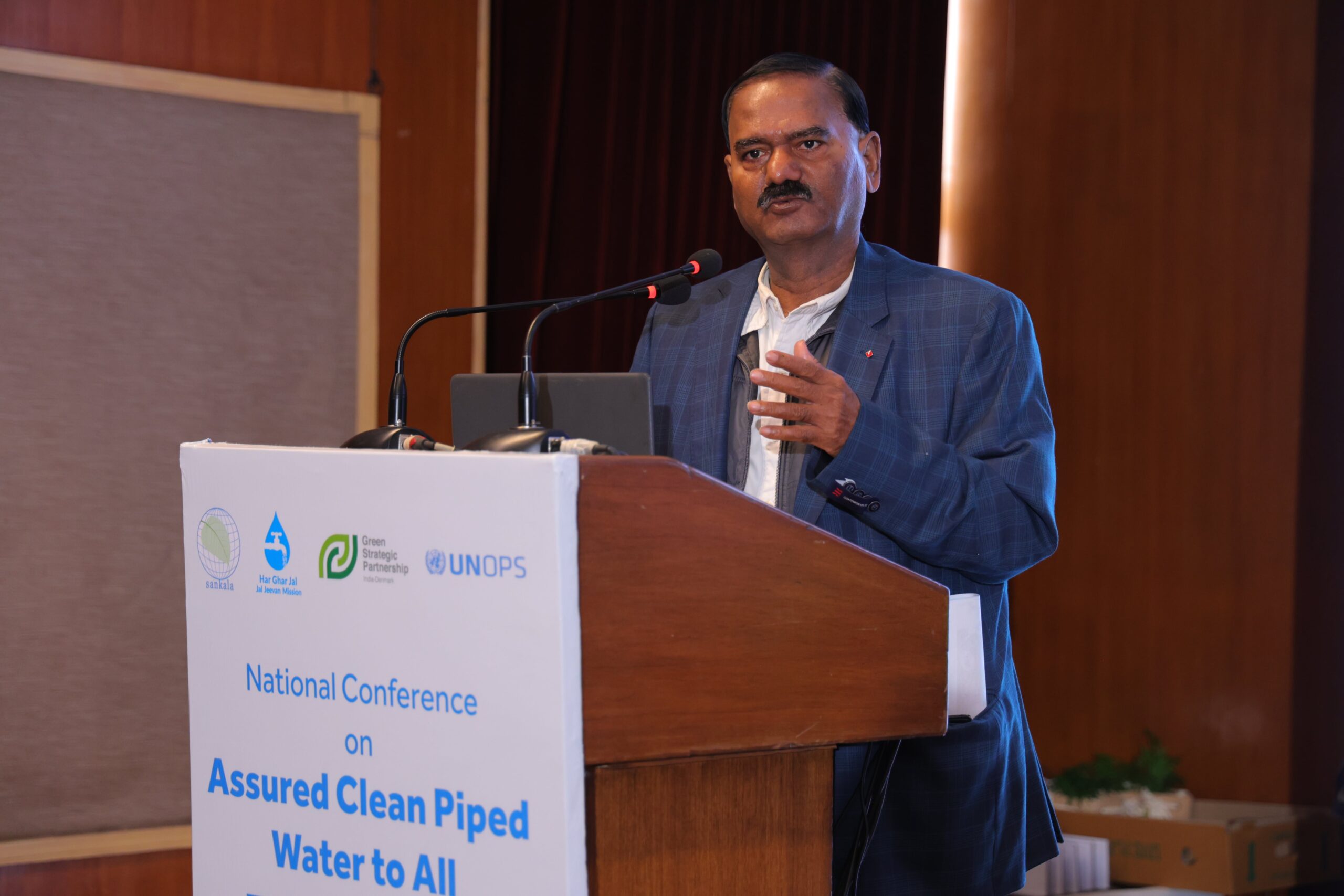
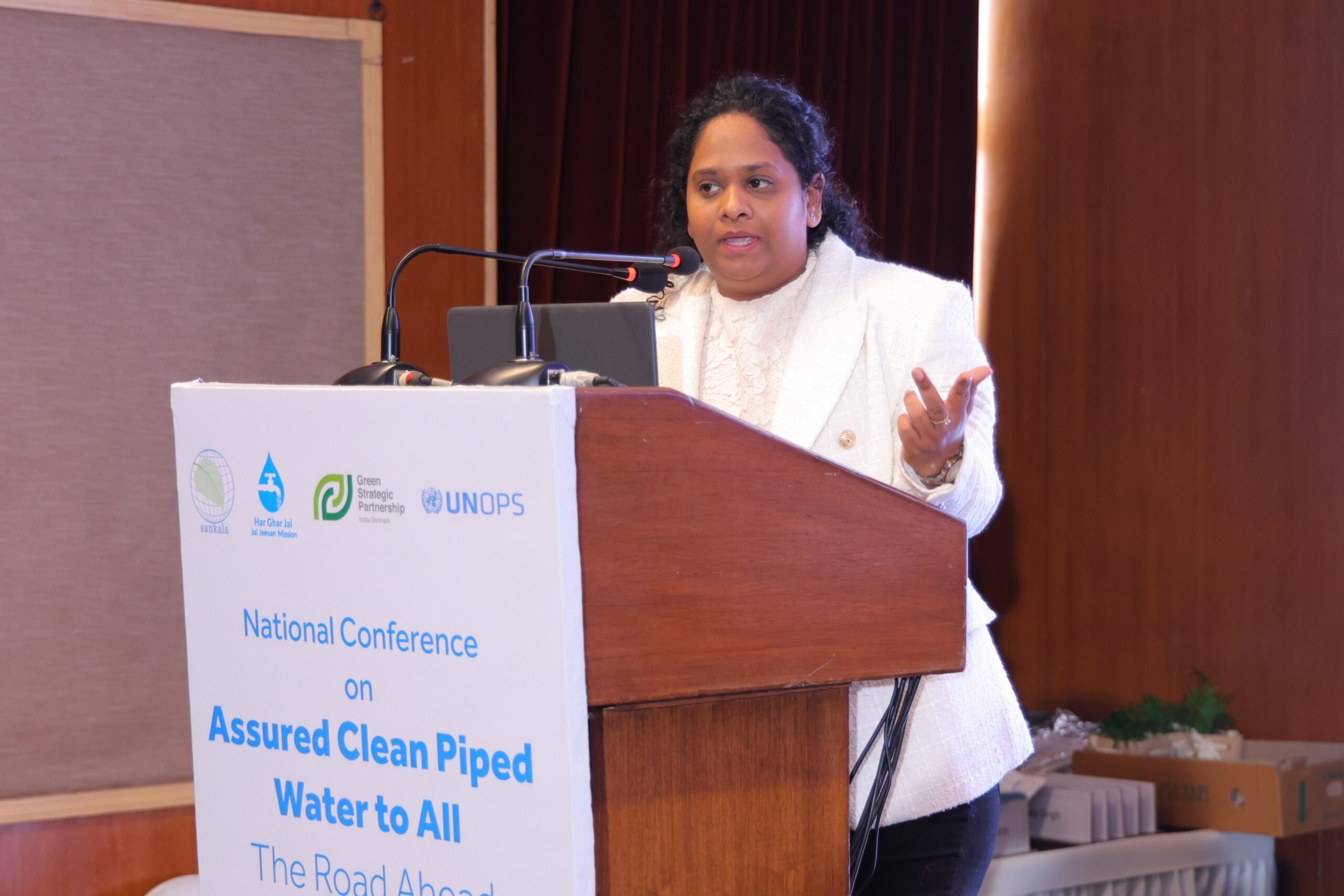



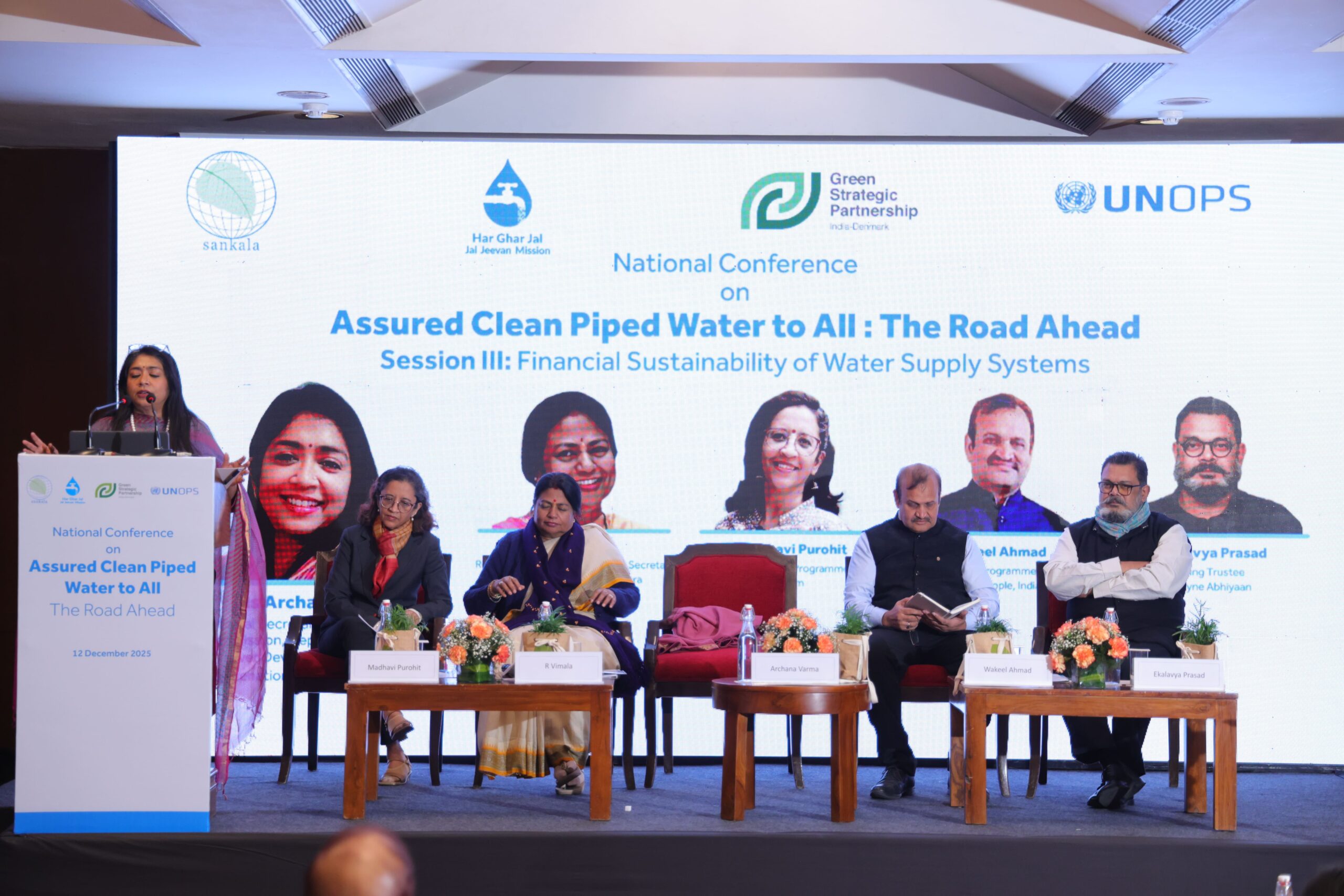

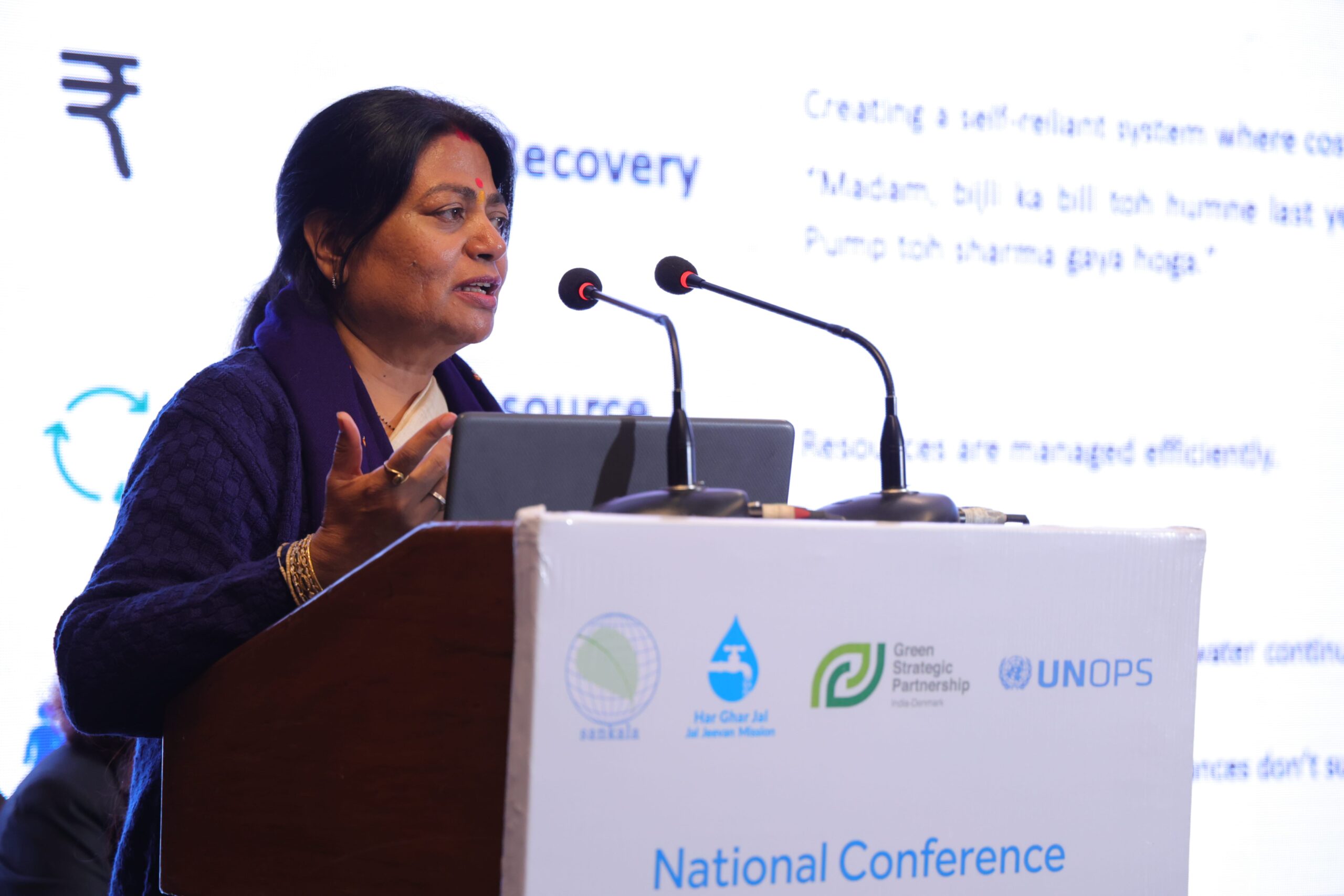
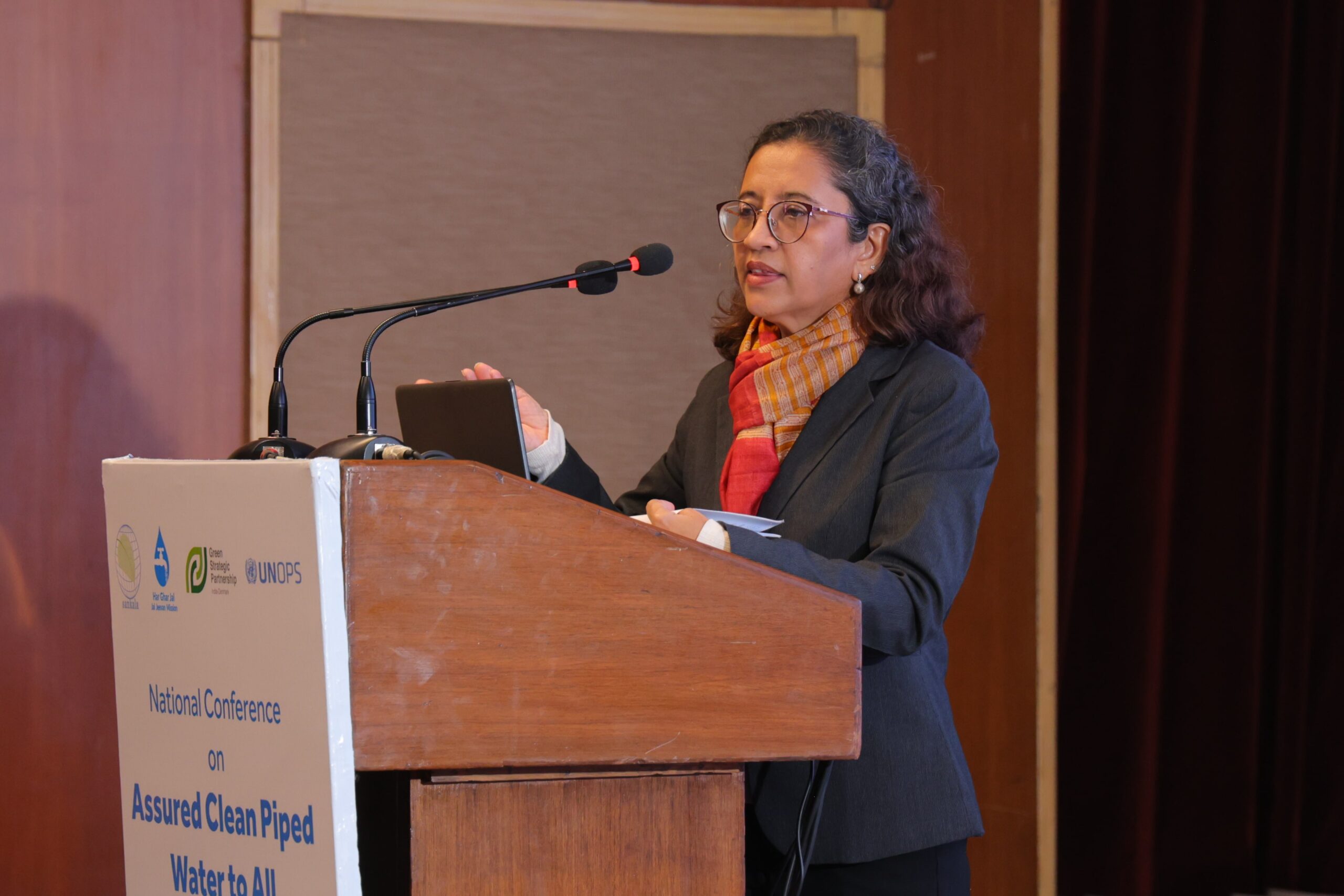
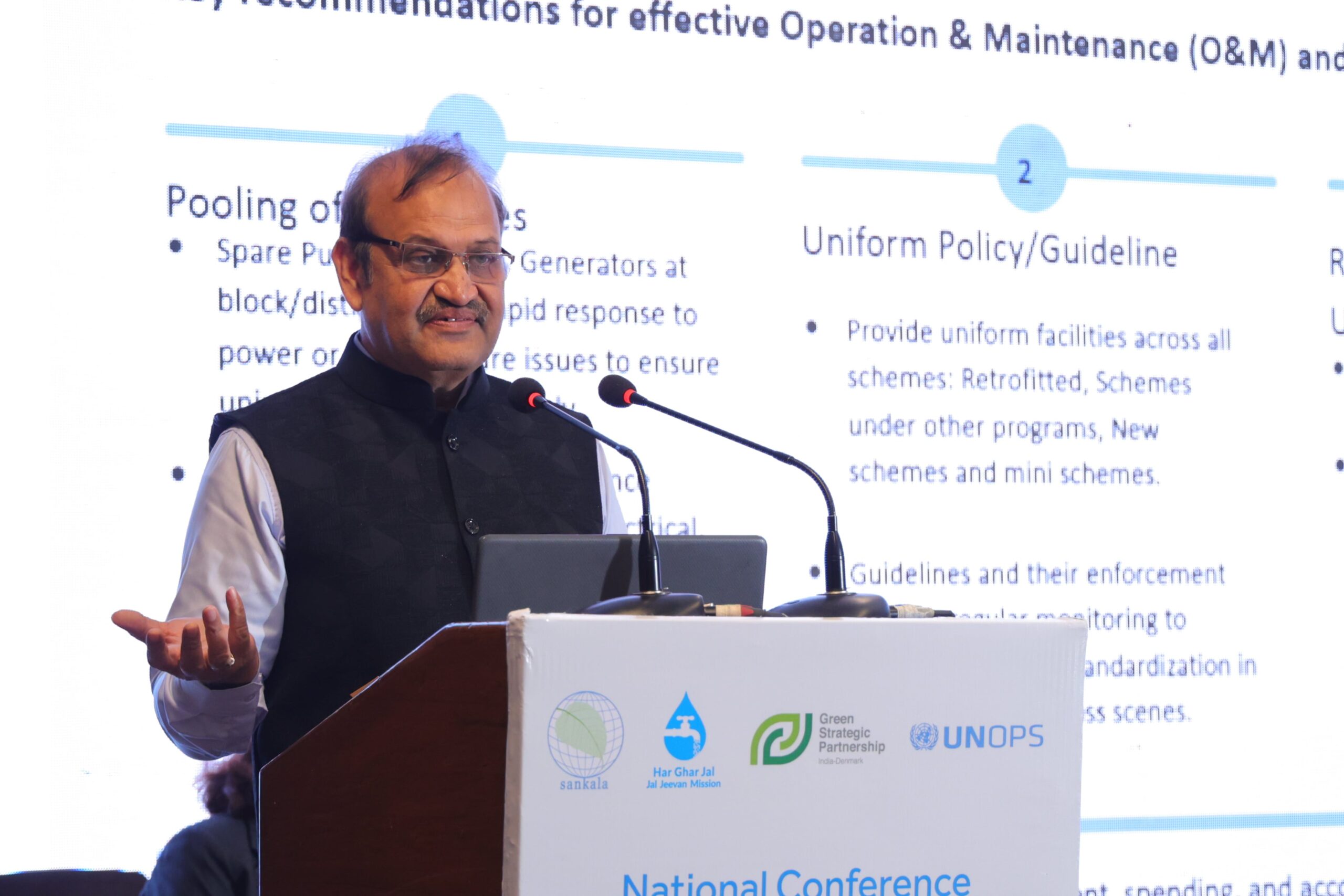

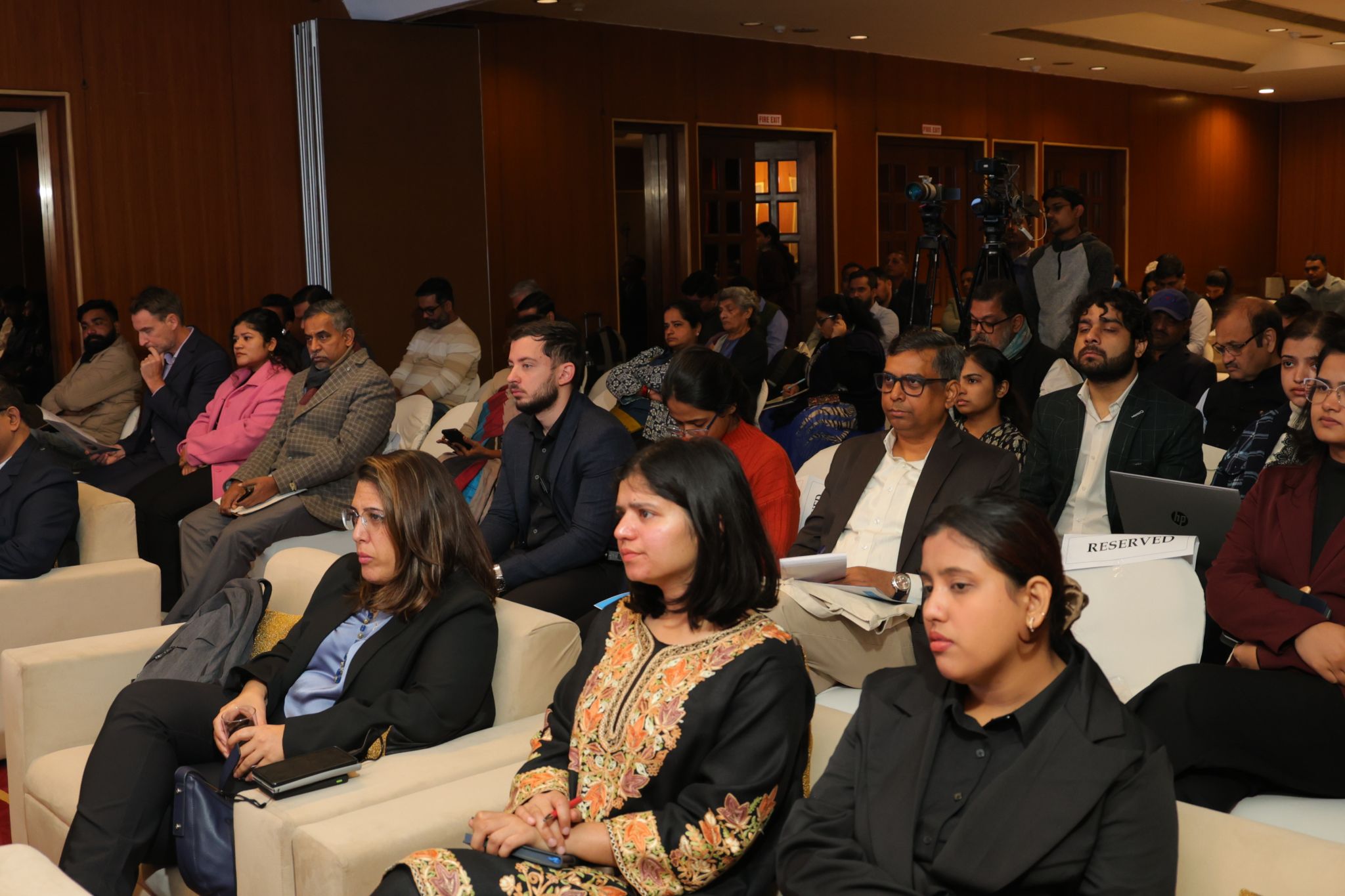
Sessions at the Conference
Utilities
and its sub-committees such as the Village Water and Sanitation Committee (VWSC) / Pani Samiti / Water User Groups assuming pivotal roles in the planning, implementation, management, operation, and maintenance of water supply systems that fall within the village boundary.
This session will focus on the need for capacity building of these Village Water and Sanitation Committees (VWSCs) and Pani Samitis as decentralised, community-managed water utilities. It will explore how these local bodies can be given adequate authority, financial resources, and trained personnel to operate and manage rural water supply systems effectively. Discussions will also highlight the need for closer coordination between Public Health Engineering Departments (PHEDs) and Panchayati Raj Institutions (PRIs) to ensure sustainable and accountable water service delivery.
web applications, IMIS, IoT pilots, GIS mapping and real-time dashboards. The deployment of sensor-based IoT devices across villages now enables tracking water flow, pressure, tank storage levels, groundwater levels, and supply conditions in real time, allowing immediate detection of leakages or supply irregularities and enabling faster corrective action. The next phase of JJM can focus on scaling up the adoption of IoT devices for real time measurement and monitoring of water service delivery. Further, GIS can be used for mapping of surface and ground water sources, planning of water supply infrastructure, estimation of water availability, water budgeting and others.
The discussions will focus on improving data quality, expanding sensor networks, integrating systems such as the Integrated Management Information System (IMIS) and the Water Quality Management Information System (WQMIS) with state dashboards, and building local capacity for data-driven planning, preventive maintenance, and quick service restoration.