

Women, Water and Leadership: From Managing Scarcity to Shaping Systems
-
Dr Adeeba Parveen
- Mr Saurabh Dutta
In the drought prone Bundelkhand region with its hard-rock geology, increasingly erratic rainfall owing to climate change and declining groundwater tables, many women who once walked several kilometres to fetch water for their households, are now building a water secure future for the region in partnership with the local government. These women known as Jal Sahelis (Friends of Water) come together to address their water scarcity challenges by mobilizing communities for reviving traditional water bodies like ponds and wells, building check dams, and harvesting rainwater to strengthen long term source sustainability. Women like these Jal Sahelis and like the Jal Sahiyas in the state of Jharkhand are redefining the arduous relationship that the female gender has had with access to safe water and sanitation, by participating in structural, social and policy shifts towards women led development.
World Water Day 2026 observes the importance of safe water in gender equality. Globally, nearly 2.2 billion people lack access to safely managed water and 3.5 billion lack access to safe sanitation. However, these numbers by themselves hide the disproportionate impact this has on women and girls. In most countries, women carry the burden of fetching water from off premise sources instead of the men and boys in the household. Across 53 countries, women and girls are estimated to spend nearly 250 million hours per day on water collection, over three times more than men and boys (UN Women).
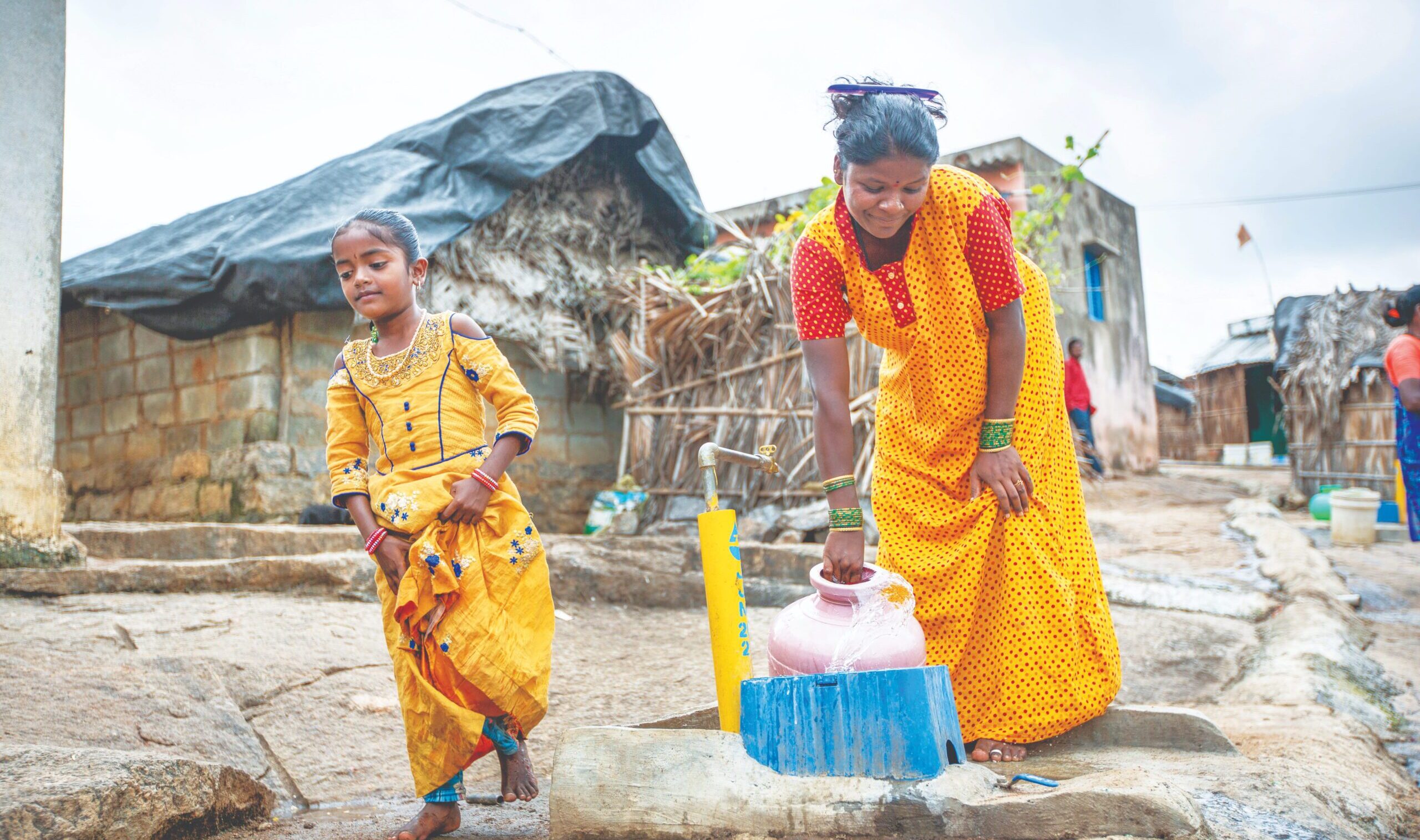
Women and girls are responsible for fetching water in 63% of the households across the world which do not have access to water source on premises as compared to only 25% of households where men are responsible. As per a 2018 survey, in 25% of rural households in India with off-premises water sources, women and girls spend more than 50 minutes per day collecting water as compared to only four minutes by men. This is an abject waste of their valuable time and energy which can otherwise be channelized into education, economic activities or leisure. For decades, across both rural and urban India, mornings for women have begun with a familiar routine of walking long distances, waiting in queues and carrying heavy pots of water on their heads causing physical exhaustion and pain.
Essential yet invisible, this labour has shaped their lives and identities but rarely brought recognition or decision-making power in the household. The crisis of water and the identity of women as the one who bears the responsibility of fetching water has allowed a different form of polygamy in the village of Denganmal in Maharashtra where men are allowed to have multiple Water Wives – wives whose main role is to fetch water for the house. Widows and unmarried women whose families cannot afford their dowry agree to become second or third wife of a man and take up the role of fetching water in exchange of social security, but often without conjugal rights or right to husband’s property.
It is important to recognize that water and sanitation needs of women are different from men. Fetching water from or going to a toilet off premises affects their dignity, menstrual hygiene and puts them at risk of abuse or assault. Girls often miss school due to water collection duties or illness or managing menstruation. Access to safe drinking water at home, therefore, is not only a service delivery issue but a critical enabler of gender equality and ensuring dignity and rights of women.
Progress of SDG 5 which recognizes gender equity is therefore critically linked with SDG 6 which identifies the need to achieve universal and equitable access to safe and affordable drinking water and improved sanitation and hygiene for all. As we celebrate World Water Day 2026, it is important to consider the voices and needs of women in designing and implementation of WASH services to reduce their continued marginalization.
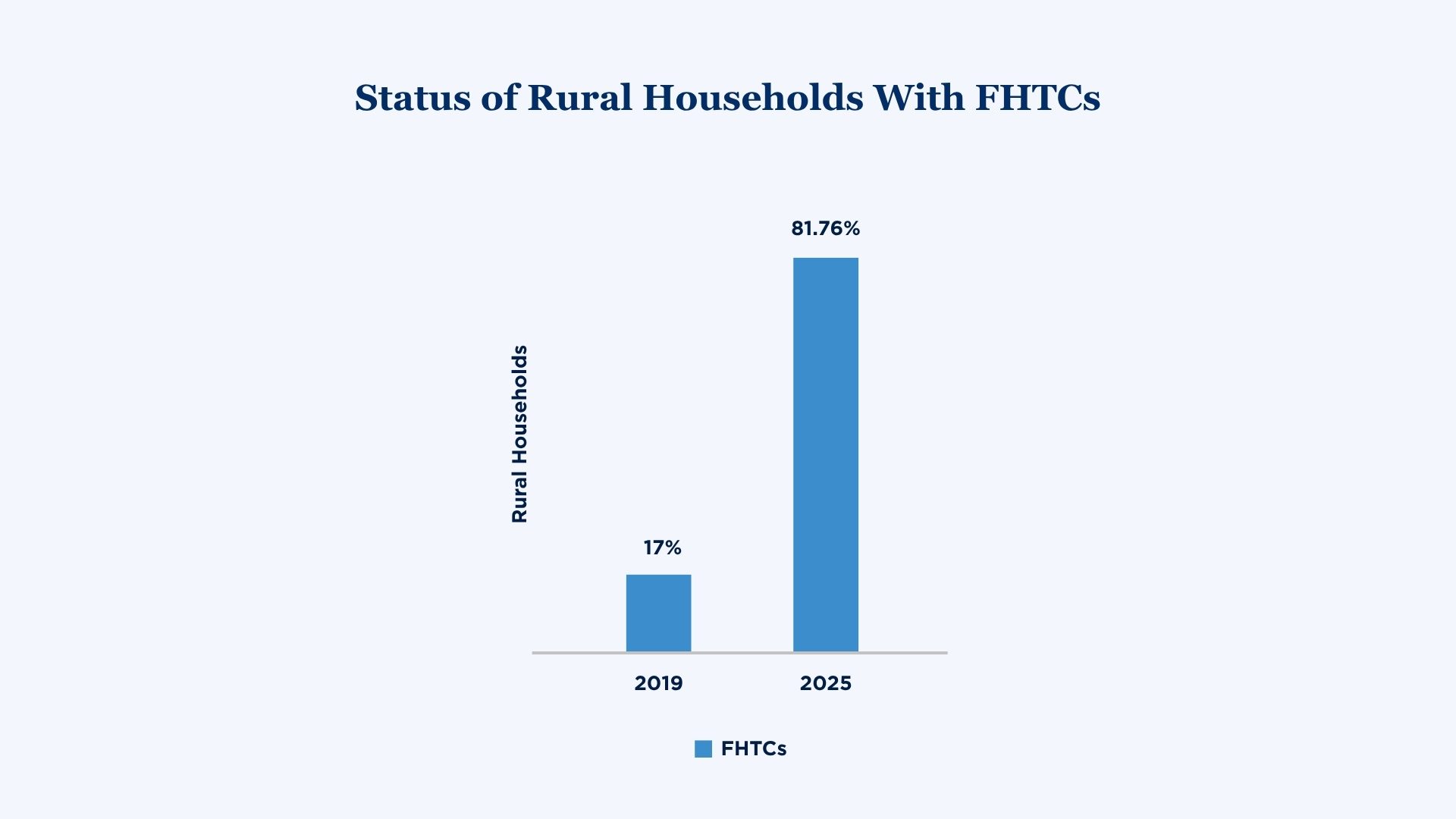
A transformative shift began in India with the launch of the Jal Jeevan Mission (JJM) in 2019. At the time of its launch, only 3.23 crore rural households (around 17%) had tap water connections. Today, nearly 16 crore rural households (over 81%) have access to Functional Household Tap Connections (Ministry of Jal Shakti).
This expansion has had significant social and gender impacts. With water available at home, women are now able to redirect their time towards livelihood activities, supporting children’s education and participating in community life.
Source: JJM Dashboard, Ministry of Jal Shakti (as on 18 March 2026)
This shift is also visible in governance. With over 1.4 million women elected representatives in Panchayati Raj Institutions, women are influencing decisions on local infrastructure, public services and natural resource management. Drinking water and sanitation often emerge as priority areas under their leadership, reflecting a governance approach rooted in their lived realities.
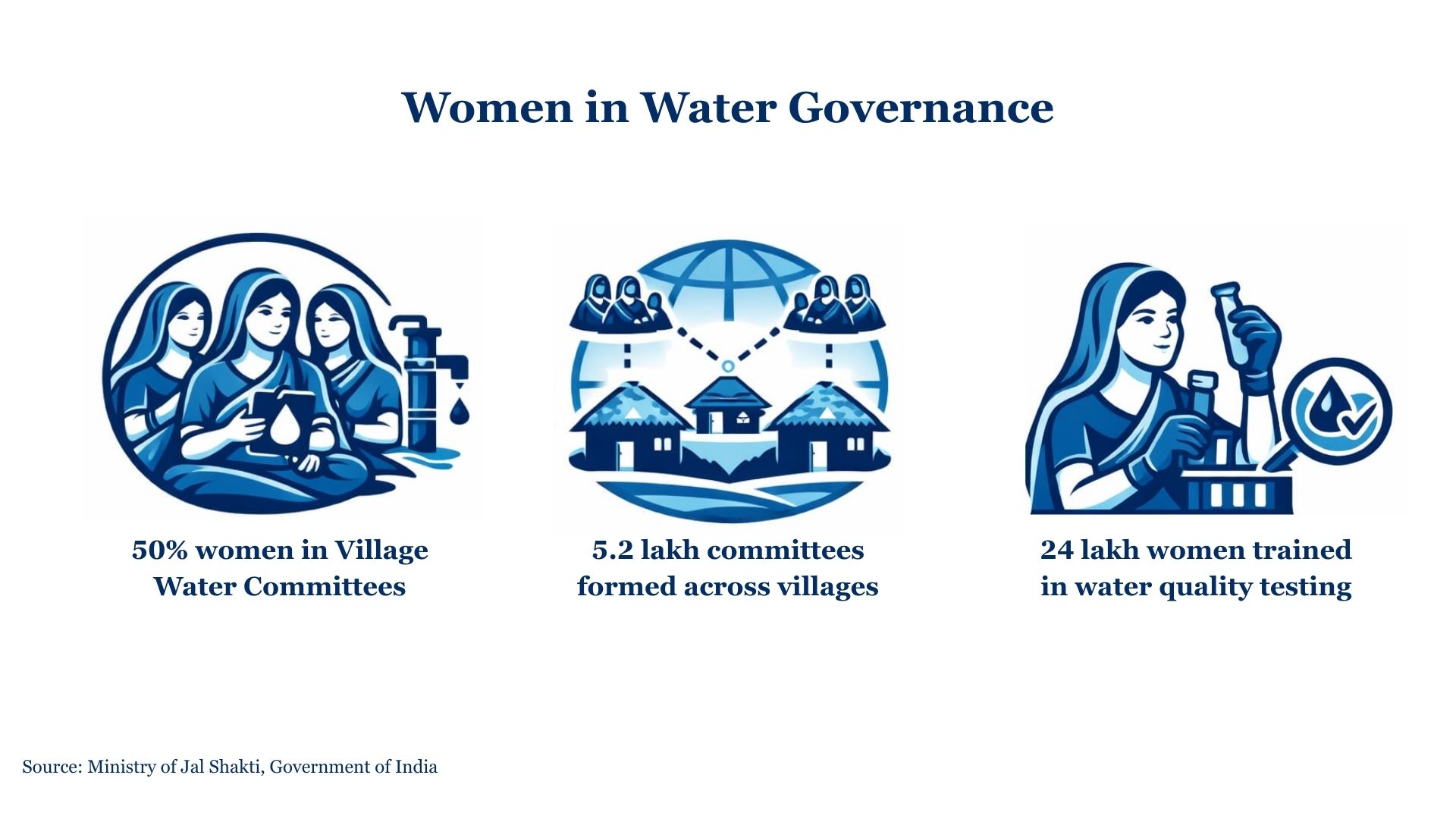
At the community level, women are increasingly participating in water system management. Across the country, more than 5.3 lakh Village Water and Sanitation Committees have been formed with at least 50 percent representation of women. These committees are responsible for
Source: Ministry of Jal Shakti, Government of India
planning, implementing, and managing village water systems, including operation and maintenance (O&M), tariff collection, and water quality monitoring. Over 24 lakh women have been trained in water quality testing (Ministry of Jal Shakti).
In the state of Jharkhand, tribal women or Jal Sahiyas are driving WASH initiatives and awareness campaigns on menstrual hygiene, handwashing, and sanitation. Women like Sita Sardar from Ulidih village in Tantnagar block, with the confidence gained from working on WASH initiatives and leading village water committees, have contested and won Gram Panchayat elections. These are shining examples of how India is moving towards a model of women led development, where women are not merely beneficiaries of services but leaders shaping systems and outcomes.
However, this transformation remains incomplete. Structural barriers continue to limit women’s full participation, including social norms, unequal access to resources and limited technical training. Despite being nearly half the population, women contribute only about 17 percent to India’s GDP, indicating a vast untapped potential. Bridging this gap is not only a matter of equity but a development imperative. As India moves towards the next phase of rural water security, the focus is shifting from expanding access to ensuring reliable, sustainable and long-term service delivery. With the approval of Jal Jeevan Mission 2.0, the emphasis is now on source sustainability, system maintenance, digital monitoring and stronger community ownership.
In this phase, women’s leadership will be critical. Strengthening their technical capacities, enhancing their participation in local institutions and enabling their leadership in water governance will be central to ensuring long term sustainability of water systems.
Water, therefore, is more than a resource essential for sustaining life. It is a lens through which we can understand empowerment, participation and progress. As India moves forward, the goal must not only be to bring water closer to homes, but to bring women closer to decision making. Because when women move from fetching water to governing it, the impact extends far beyond households. It reshapes communities and builds the foundation for a more equitable and sustainable future.
- Shttps://www.unwomen.org/sites/default/files/2024-09/progress-on-the-sustainable-development-goals-the-gender-snapshot-2024-en.pdf
- WHO, World Bank Group, UNICEF. (2022). State of the World’s Drinking Water. Geneva: World Health Organisation
- https://www.unicef.org/india/stories/lighting-way-how-rural-women-are-redefining-leadership
Authors
-
View all postsDr Adeeba holds a PhD in Geography from Aligarh Muslim University, with research focused on rural and urban water systems, WASH, and water quality.
Her expertise includes water sustainability assessments, WQI, water demand and budgeting, and supply replaceability.
She is skilled in spatial and geostatistical analyses such as LULC mapping, groundwater potential zoning, and land surface temperature analysis. -
View all postsSaurabh contributes to the research and communication efforts in the water sector at Sankala. He holds a bachelor’s degree in chemistry from St. Stephen’s College, Delhi and master’s degrees in chemistry from IIT Roorkee and chemical engineering from University of Twente, Netherlands where he studied on a full scholarship from Royal Dutch Shell. He has diverse experience in project implementation and management, research, engineering, and consulting in the environment sector.
He led the implementation, techno-commercial management, monitoring, and evaluation of two pilot projects with Municipal Corporation of Delhi on decentralized waste management and urban drain desilting. He also has extensive experience in engineering and consulting on water, sewage and industrial effluent treatment projects, techno-commercial studies, science communication, onboarding of partners and technical experts, vendor and contract management, program budget management and organising events, roundtables.