
NATIONAL SEMINAR

on

Climate Resilient Rainwater Management for Water Security

0
Days
0
Hours
0
Minutes
Supported by
Embassy of Denmark in India
(India – Denmark Green Strategic Partnership)
 
Haryana Institute of Public Administration (HIPA)
&
Sankala Foundation
 

Supported by

Context

Indian cities face a dual water challenge: flooding during the monsoon and acute scarcity in the dry months. Between 2015 and 2023, India recorded over 120 major urban flood events. Rising temperatures are intensifying short-duration, high-intensity rainfall, a pattern increasingly evident in north-western India.

Urbanisation is reducing cities’ capacity to absorb rainfall. As open land gives way to roads, buildings and paved surfaces, less water infiltrates the ground and more flows off as runoff — the CPHEEO Manual on Storm Water Drainage Systems (2019) puts runoff coefficients as high as 0.95 for paved and roofed surfaces, against 0.10–0.30 for open, unpaved land. Encroachment on natural drains, wetlands and low-lying areas cuts storage capacity further, while over-extraction and poor recharge deplete groundwater and add to water stress.

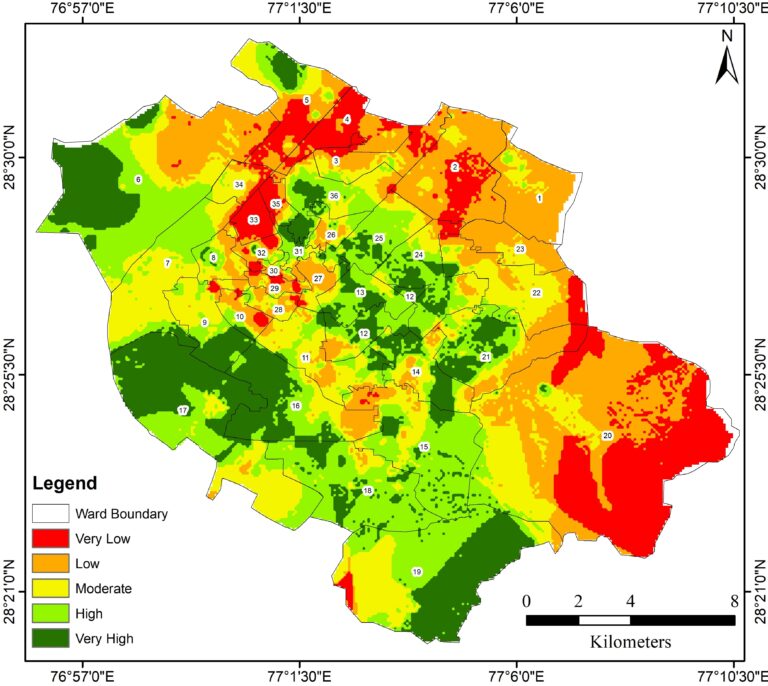
Gurugram illustrates these dynamics. Its rapid growth, land-use transformation, changing rainfall patterns and rising water demand make it a critical case for strengthening drainage, rainwater management, groundwater recharge and climate resilience, with lessons for other fast-growing Indian cities.

Sankala Foundation, in partnership with the Embassy of Denmark, is undertaking an in-depth study of the city’s geomorphological landscape and urbanisation patterns to inform rainwater harvesting and urban flood prevention.

Sankala Foundation’s Study

Sankala Foundation undertook ‘Designing a Climate Resilient Urban Flood and Rainwater Management Model for Gurugram City’, covering all 36 municipal wards. The study found that effective flood and rainwater management in Gurugram requires a site-specific mix of measures, guided by local hydrology, land use, spatial opportunities, drainage connectivity and long-term operation and maintenance feasibility.


Different urban spaces can play distinct roles: schools and institutions as demonstration sites, parks for retention and recharge, ponds for local storage. Residential and commercial areas can adopt rooftop harvesting and permeable surfaces, while transport corridors can add green infrastructure.


The study’s proposed approach is based on five key principles: managing rainfall near its source; promoting reuse and groundwater recharge; providing safe pathways for excess flows; integrating decentralised measures with existing drainage networks; and assigning clear responsibility for long-term maintenance and monitoring.

Technique & Description

01

Rooftop Rainwater Harvesting

Capture, filter and store roof runoff for non-potable use; surplus to recharge.

02

Controlled Infiltration

Controlled infiltration where hydrogeology and water quality permit.

03

Bioswales and Rain Gardens

Slow, filter and infiltrate runoff along parks, streets and campuses.

04

Detention Ponds and Basins

Hold excess runoff and release it gradually, easing peak pressure downstream.

05

Floodable Urban Parks

Temporary stormwater storage in landscapes that stay recreational year-round.

06

Permeable Surfaces

More infiltration, less rapid runoff from parking, footpaths and public spaces.

07

Cloudburst-Compatible Roads

Road profiles that route extreme rainfall safely towards storage or drainage.

08

Restored Ponds and Corridors

Reconnect water bodies and channels to recover local storage and conveyance.

Key Findings

The study’s findings highlight both the spatial concentration of flood risk and the opportunity to manage rainwater more effectively across Gurugram. They point to recurring flood-prone areas, constrained drainage performance and available sites for decentralised rainwater harvesting, retention and recharge.

  • Flooding is concentrated in recurring hotspots. Key flood prone locations include Rajiv Chowk, Hero Honda Chowk, Khandsa, Badshahpur, Basai, Wazirabad, Sikanderpur, Dundahera, Subhash Chowk and parts of Old Gurugram, along with Anjani Colony, Bikaner Chowk, Naharpur Rupa, Islampur, Jheel Chowk, Hongkong Bazar and parts of MG Road.
  • Gurugram has significant potential for decentralised rainwater management. The study identified potential sites, mainly across educational institutions, public parks and selected ponds, offering opportunities for rainwater harvesting, retention and groundwater recharge.
  • Drainage condition is closely linked to flood experience. 68.4% of respondents reported clogged drains, while 31.6% reported functional drains. Waterlogging cleared within a day for 68.21% of respondents, while 31.79% experienced longer durations. Deeper flooding was more commonly reported in areas with clogged drainage, with some high-risk locations experiencing 3–4 feet of water.

Key Facts about Gurugram in this Study

  • Built-up area grew by nearly 64% in a decade, from 102.50 km² (2015) to 168.20 km² (2025).
  • Average annual rainfall of ~596 mm, with ~85% concentrated in the June to September monsoon.
  • Water body cover declined from 4.65% to 1.05% of the landscape.
  • Much of Gurugram falls within the Central Ground Water Board’s “over-exploited” category.
  • A ground level survey across 36 wards found that 68.4% of respondents reported clogged or blocked drainage as a key concern.

Purpose of the Seminar

With the support of the Embassy of Denmark under the India-Denmark Green Strategic Partnership, the Sankala Foundation is convening a National Seminar jointly with Haryana Institute of Public Administration (HIPA), bringing together government departments, urban local bodies, academia, development partners, CSR organisations, civil society and community representatives to:

01

Present key findings and emerging lessons from the Gurugram Urban Flood and Rainwater Management Study.

02

Examine the interlinkages between urban flooding, rainwater management and long-term water security.

03

Facilitate dialogue across policy, practice, research and community perspectives.

04

Explore practical and scalable approaches to rainwater harvesting, groundwater recharge and improved drainage management.

05

Deliberate on institutional roles, coordination mechanisms and pathways for wider adoption across Indian cities.

06

Strengthen community participation as an integral part of sustainable urban rainwater management.

Expected Outcomes

Shared understanding of the Gurugram study findings and their implications for urban water security.
Practical recommendations for decentralised rainwater harvesting, retention and groundwater recharge.
Stronger cross-sectoral dialogue among government, academia, practitioners, civil society and the private sector.
Opportunities for demonstration and scale-up of locally appropriate interventions, including on public assets.
Clearer pathways for community participation in urban rainwater and water resource management.
A shared roadmap for advancing climate resilient and water secure urban development.

Themes

The seminar will be organised around the following sessions:

Technical Sessions – Seminar
Session I

National & State Policy Frameworks for Flood Management and Rainwater Harvesting

This session looks at how national and state policies, regulations and institutions can strengthen urban flood and rainwater management — covering integrated flood management, rainwater harvesting, groundwater recharge, drainage planning, natural water systems, institutional coordination, and the use of climate and hydrological data for monitoring and accountability.

Session II

Urban Climate Resilience in Practice: Gurugram Drainage, Rainwater Harvesting & Community Solutions

This session looks at how government departments, urban local bodies, development authorities, civil society organisations, RWAs and other stakeholders are tackling urban flooding and rainwater management in Gurugram — covering ongoing initiatives, practical challenges, institutional coordination and community participation, and drawing on Indian and international best practices in drainage improvement, rainwater harvesting, groundwater recharge and nature-based, community-led solutions.

Programme Schedule

01
10:00 to 11:00 hrs
Inaugural Session
02
11:00 to 12:15 hrs
Session I: National & State Policy Frameworks for Flood Management and Rainwater Harvesting
12:15 to 12:45 hrs
Tea Break
04
12:45 to 14:00 hrs
Session II: Urban Climate Resilience in Practice: Gurugram Drainage, Rainwater Harvesting & Community Solutions
05
14:00 to 14:30 hrs
Valedictory Session: The Road Ahead
🍽
14:30 hrs Onwards
Lunch Break

About the Organisers

Sankala Foundation

Non-profit · Est. 2022

The Sankala Foundation is a non-profit organisation established in 2022 under Section (8) of the Companies Act, 2013 of India. It builds knowledge and dialogue among stakeholders to advance sustainability, working to mitigate climate change and environmental disasters with a strong focus on vulnerable communities. It is also committed to women's empowerment — economic participation, climate vulnerability and social inclusion — through research, education, training, advocacy and outreach. The Foundation is headquartered in New Delhi, with a branch office in Prayagraj.

The Foundation has two centres:

The Sankala Centre for Climate and Sustainability (SCCS)

The Sankala Centre for Climate and Sustainability (SCCS) advances knowledge and action on climate change and sustainability, building alliances with governments, non-government organisations, UN agencies, international organisations, scientific communities and domain experts to drive collective action.

The Sankala Centre for Cultural and Natural Heritage (SCCNH)

The Sankala Centre for Cultural and Natural Heritage (SCCNH) works to preserve, promote and study India's cultural and natural heritage — its traditions, historical sites, ecosystems and biodiversity — through research, conservation and community engagement, bridging academic research, policy and community-driven heritage initiatives.

Haryana Institute of Public Administration (HIPA)

Centre of Excellence · Est. 1983

The Haryana Institute of Public Administration (HIPA) is the State's premier institution for excellence in public administration, governance, training, research and capacity building. Established in 1983, HIPA has played a pivotal role in strengthening the professional capabilities of civil servants and public institutions and in advancing the principles of professionalism, responsiveness, integrity and excellence in governance.

Through its comprehensive training programmes, research initiatives and knowledge-sharing platforms, HIPA is committed to enhancing the knowledge, skills and professional competencies of public officials. The Institute promotes continuous learning, innovation and best practices in public administration, with the aim of building a more effective, accountable, responsive and citizen-centric system of governance in Haryana.

HIPA continues to serve as a centre of excellence for developing institutional and human capacity, fostering a culture of ethical leadership and enabling public institutions to respond effectively to the evolving needs and aspirations of citizens.
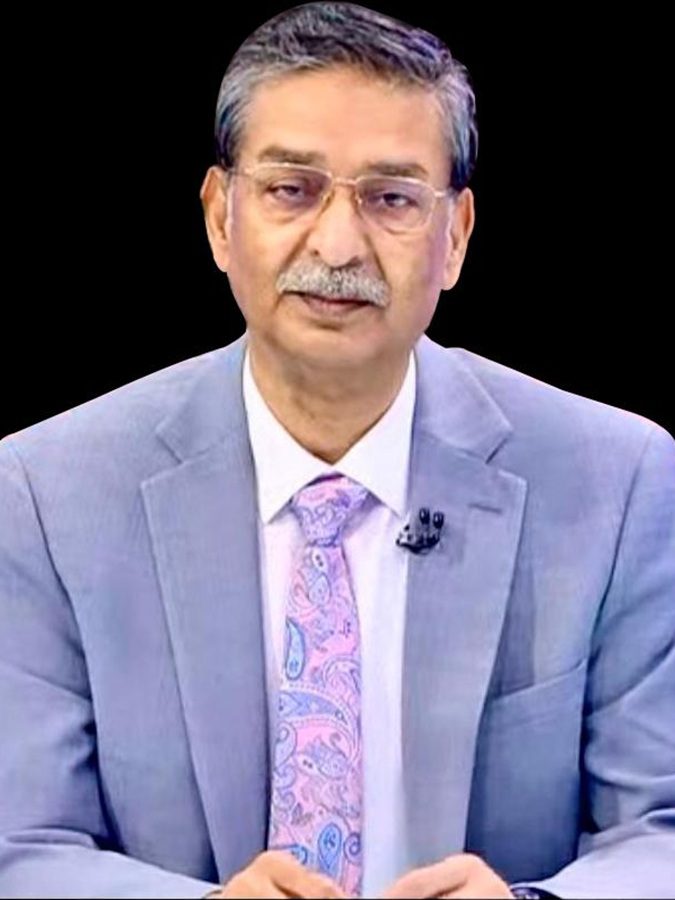
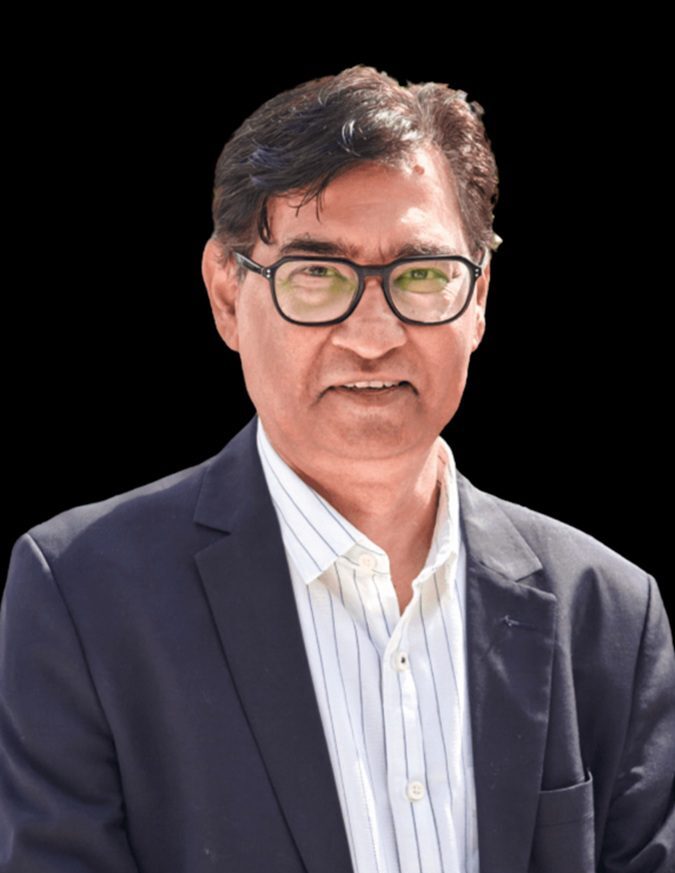
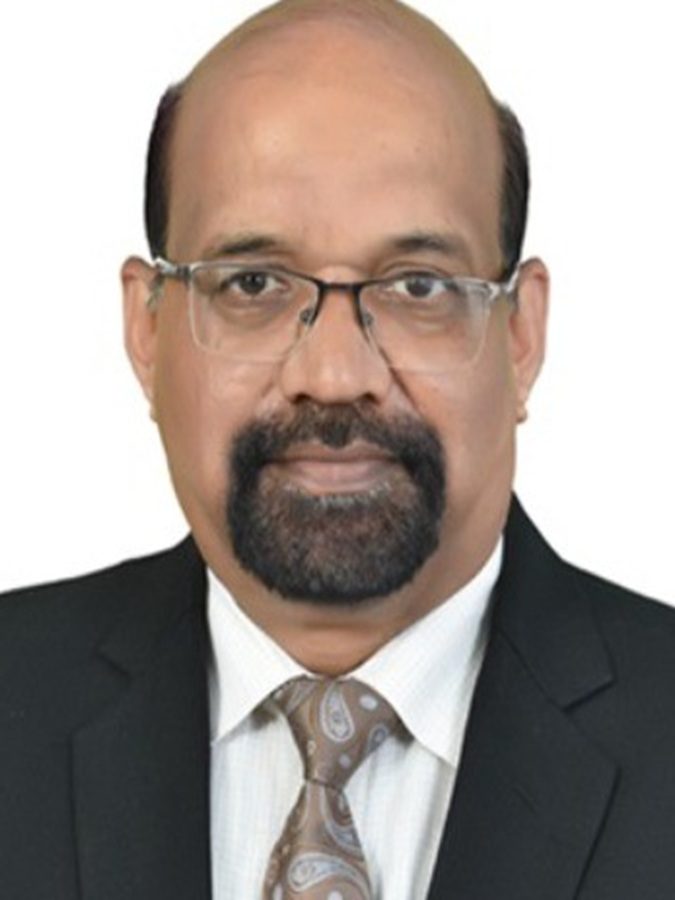
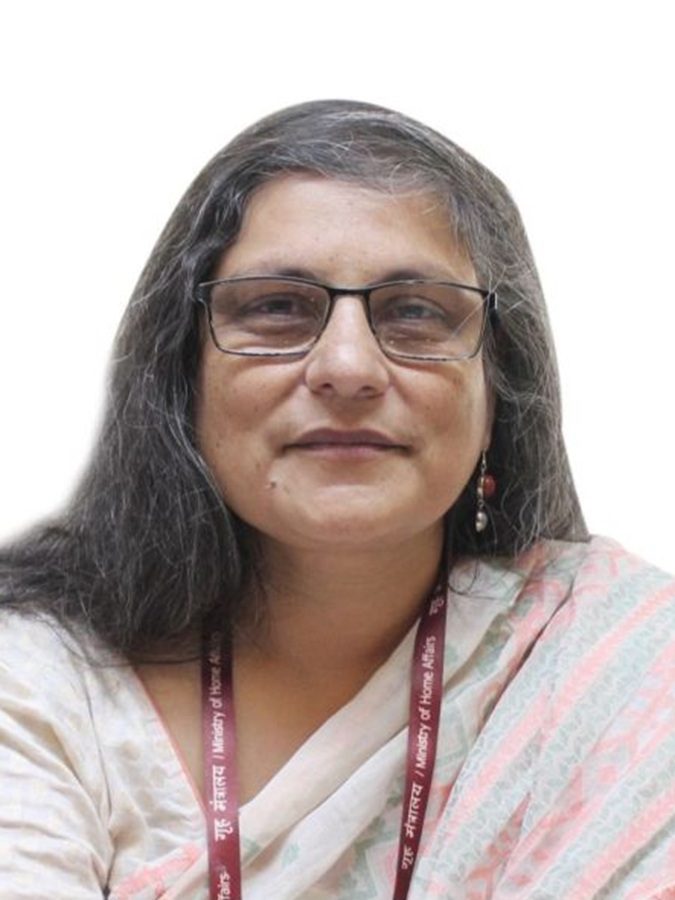
Speakers

Mr Rao Narbir Singh

Guest of Honour

Mr Bharat Lal

Valedictory Address

Ms Archana Varma

Distinguished Speaker - Session III
Mr Sushil Kumar Awasthi

Chair : Session IV
Mr C P Goyal

Chair - Session II

Dr D N Pandey

Chair - Session I

Dr Subhash Ashutosh

Distinguished Speaker - Session I
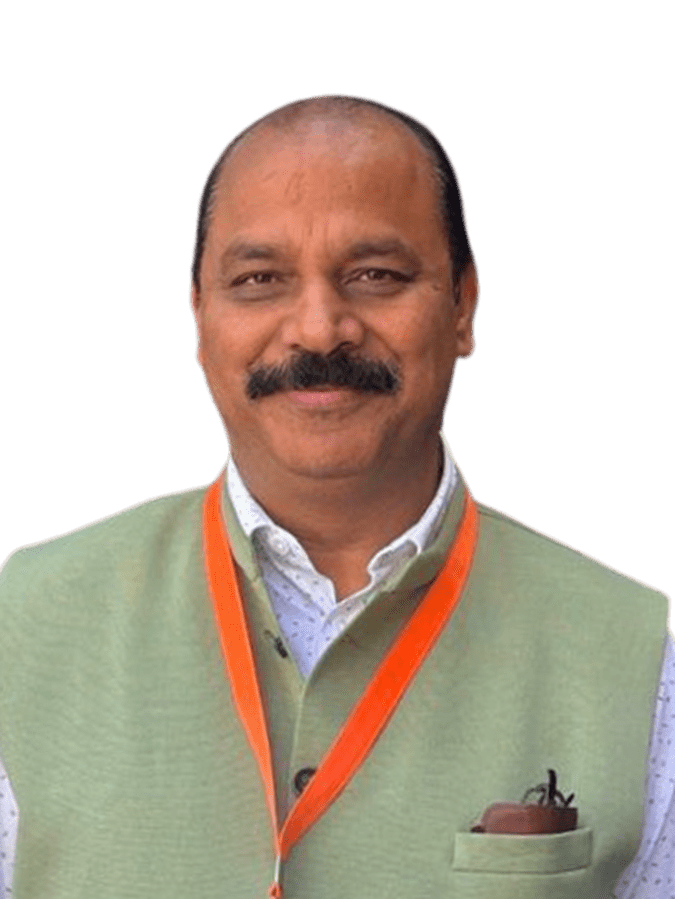
Dr Vivek Saxena

Distinguished Speaker - Session IV
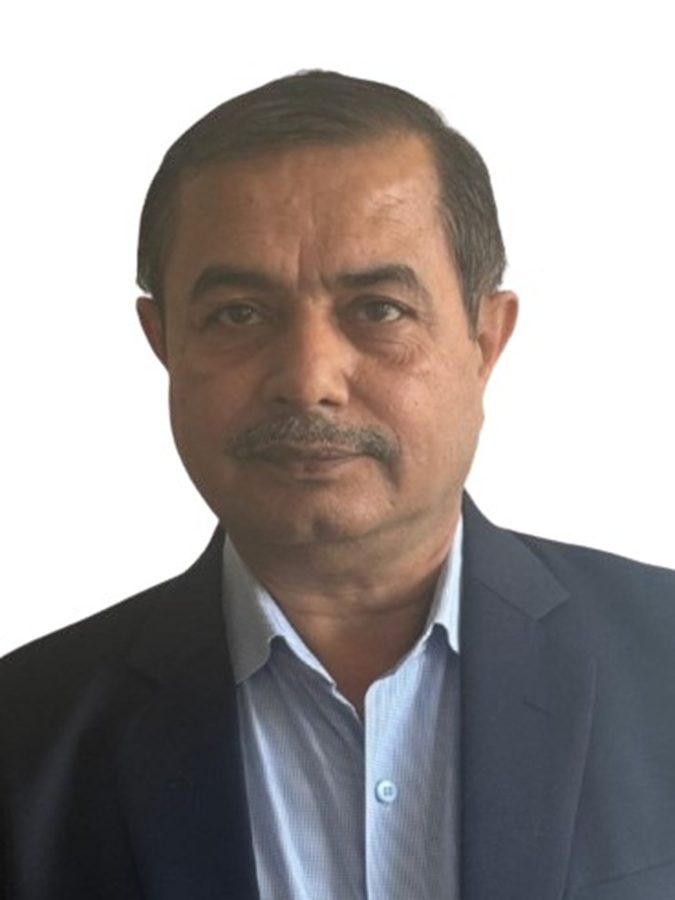
Dr Jaipal Singh

Distinguished Speaker - Session IV
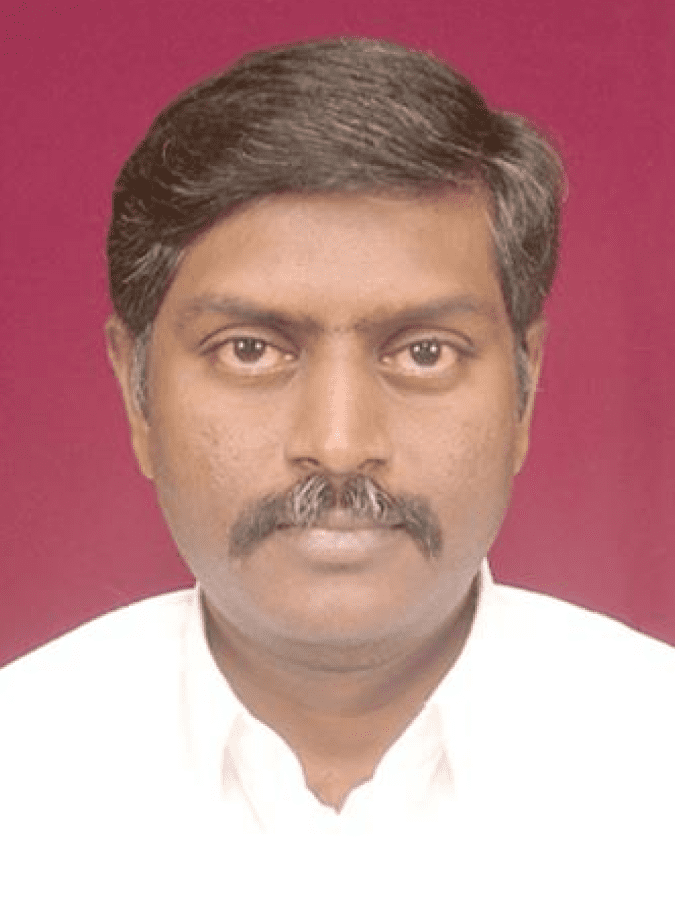
Mr K C A Arun Prasad

Distinguished Speaker - Session IV
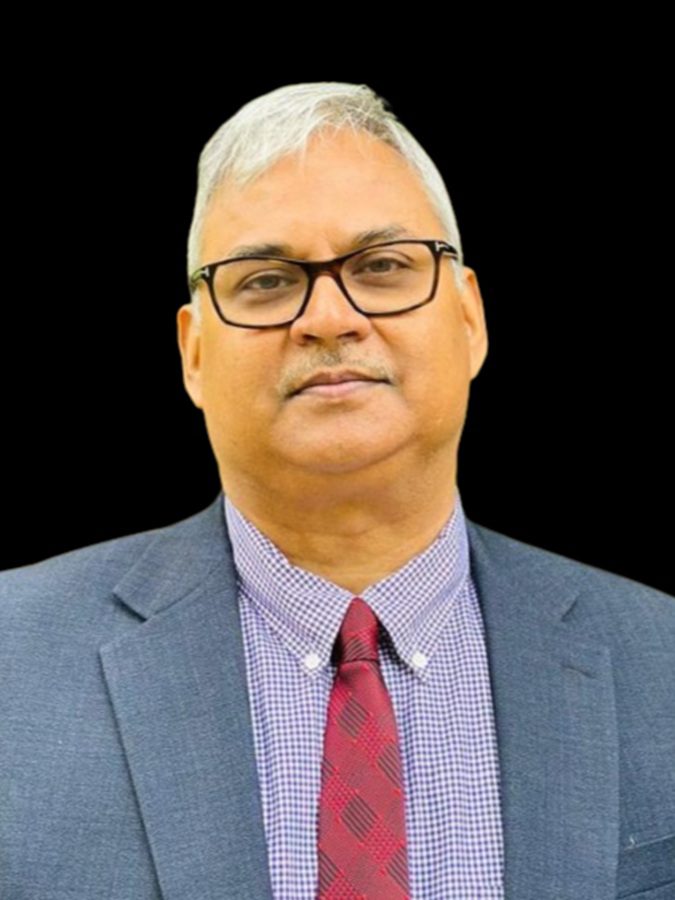
Mr Ramesh Pandey

Distinguished Speaker : Session I
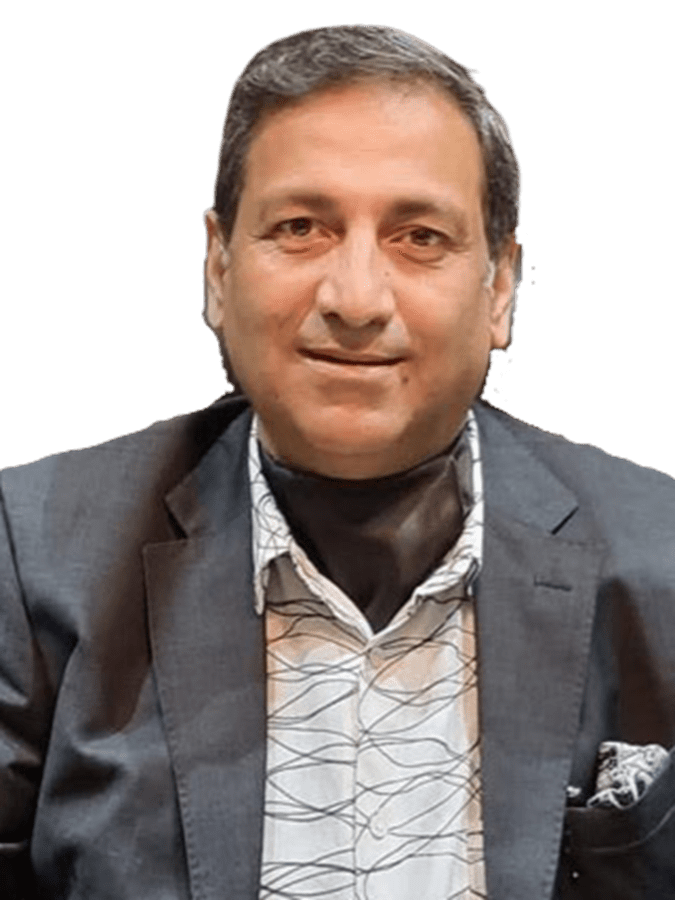
Mr Sanjay Upadhyay

Distinguished Speaker - Session I

Dr Gobind Sagar Bhardwaj

Distinguished Speaker - Session IV

Dr C N Pandey

Distinguished Speaker - Session II
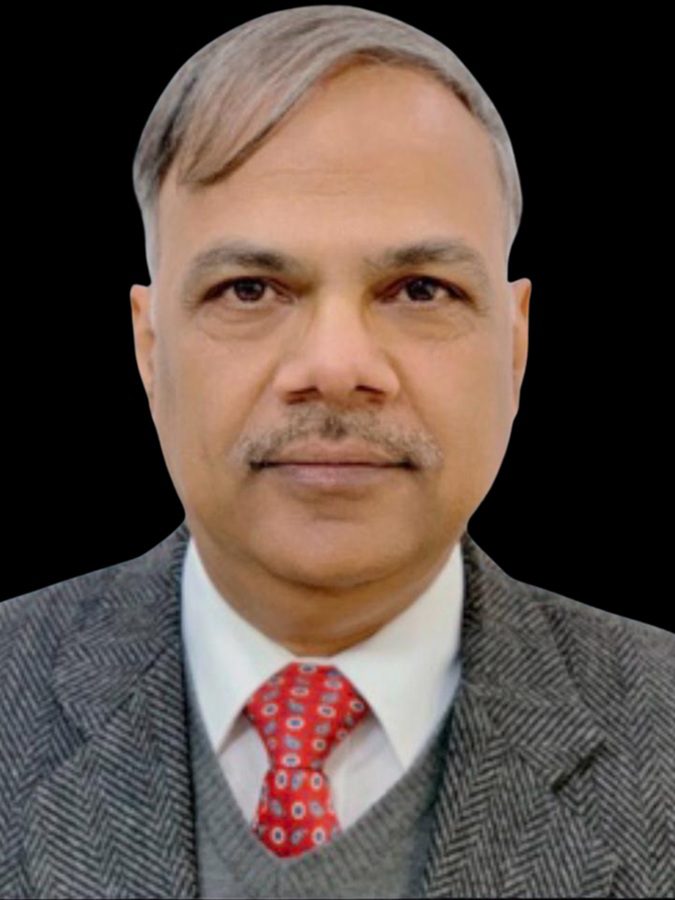
Mr Vineet Kumar Garg

Distinguished Speaker - Session II
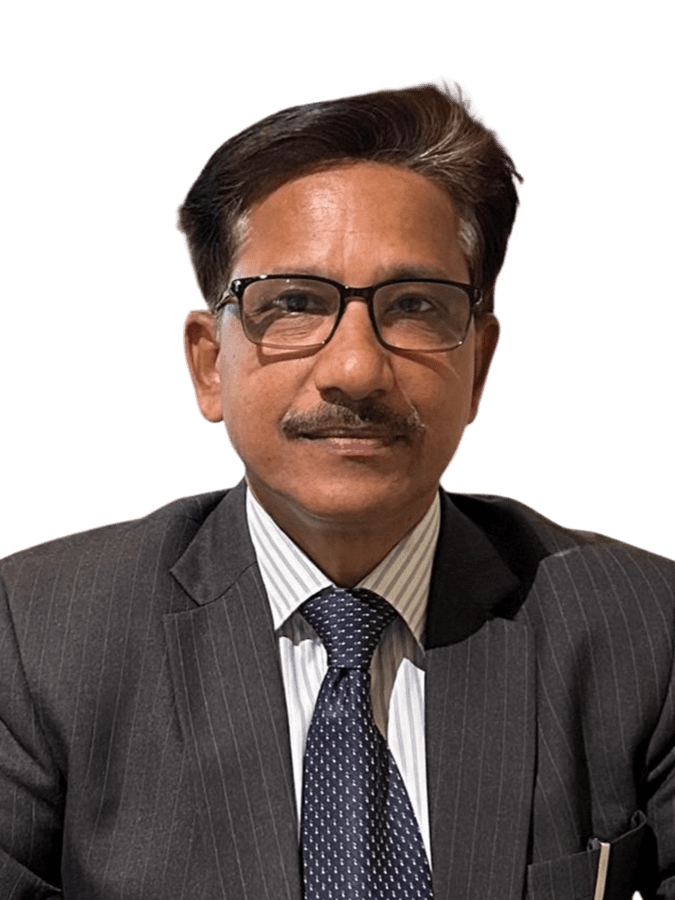
Mr Sanjay Upadhyay

Distinguished Speaker - Session I

Dr Gobind Sagar Bhardwaj

Distinguished Speaker - Session IV

Dr C N Pandey

Distinguished Speaker - Session II

Mr Vineet Kumar Garg

Distinguished Speaker - Session II

Mr Umakant

Distinguished Speaker - Session III
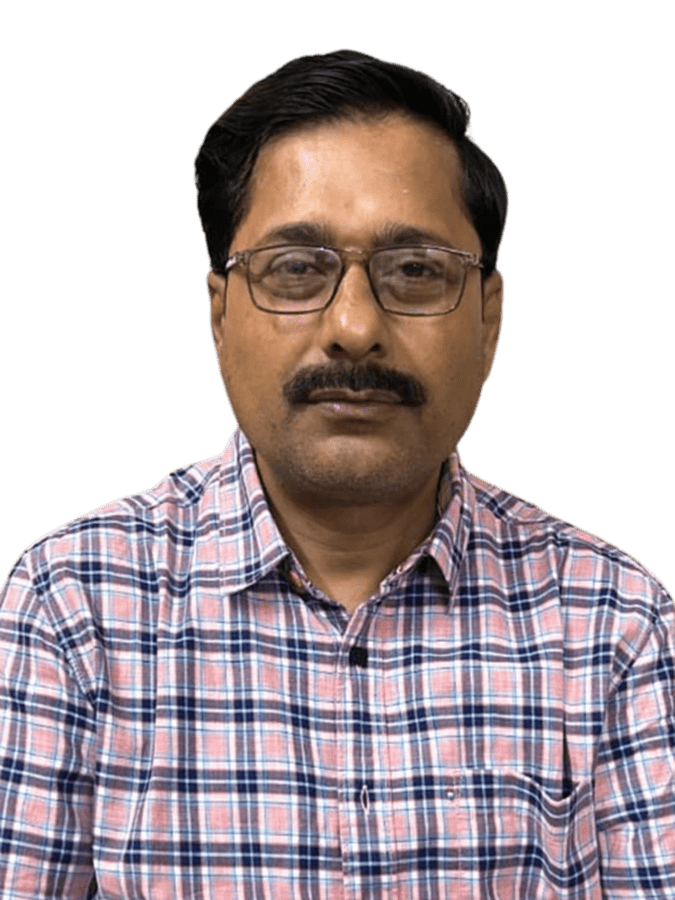
Mr Sanjay Singh

Distinguished Speaker - Session III

Mr Umakant

Distinguished Speaker - Session III
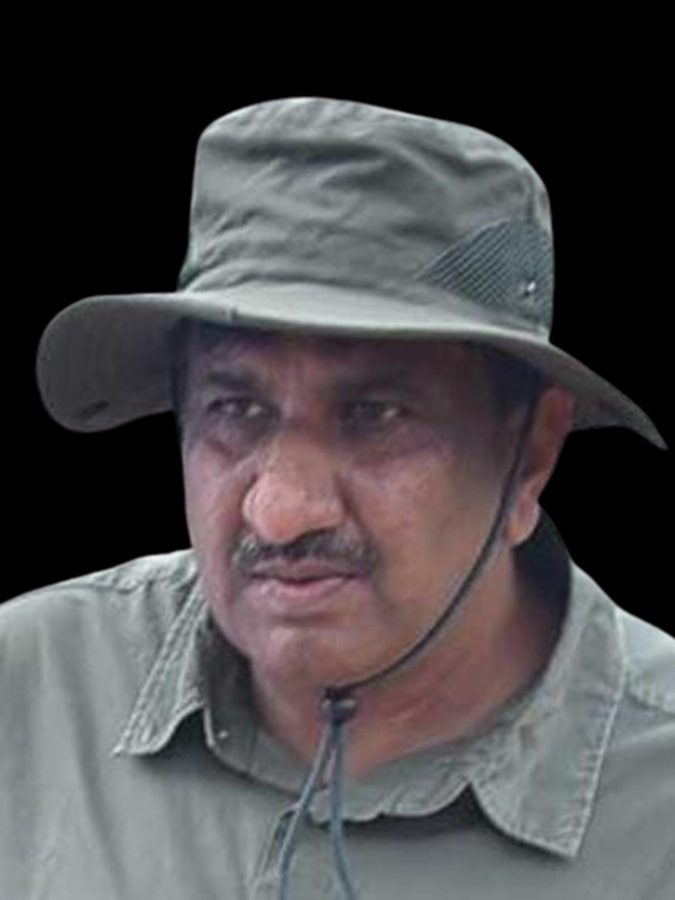
Mr Subhash Yadav

Distinguished Speaker - Session I

Mr Vijay Dhasmana

Distinguished Speaker - Session II

Mr Sanjay Singh

Distinguished Speaker - Session III

Mr Sanjay Singh

Distinguished Speaker - Session III
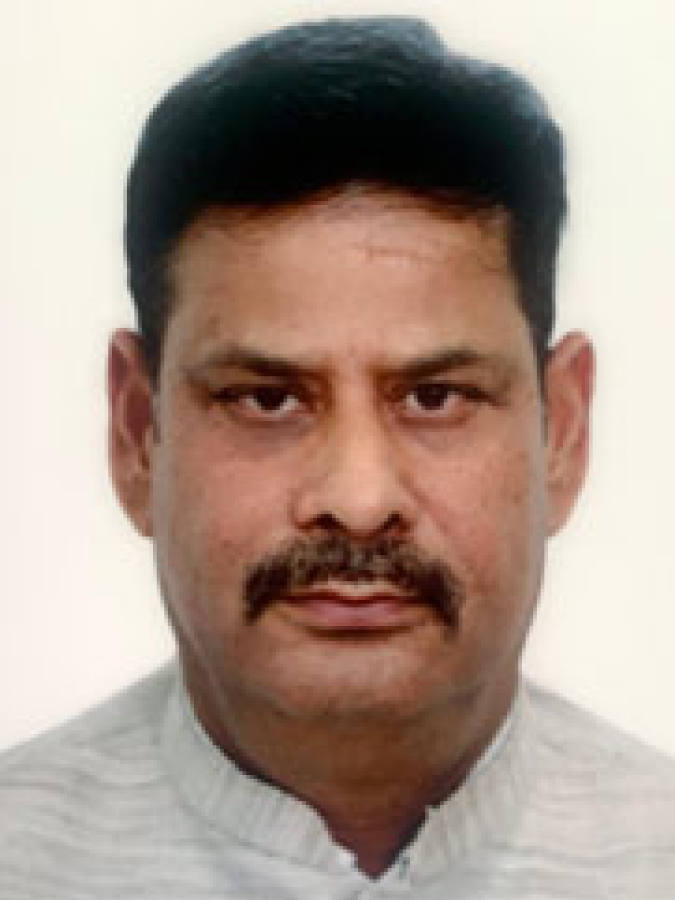
Ms Debashree Mukherjee

Chair - Session III

National Seminar on Climate Resilient Rainwater Management for Water Security


Cart (0 items)