Gurugram is often spoken about in terms of flooded junctions and declining groundwater.
At Sankala Foundation, we see it as something more hopeful: a living laboratory where a
fast-growing Indian city can relearn how to behave like a sponge, absorbing, replenishing,
and restoring its natural water systems. With the support from Denmark Embassy, through
the Denmark–India Green Strategic Partnership, the Sankala Centre for Climate and
Sustainability (SCCS) is designing an urban rainwater management model that is as much
about people and institutions as it is about drains and pipes.
At the core of this work is a simple premise: if Gurugram is to live with the monsoon rather
than fear it, it needs systems that can hold, slow, infiltrate, filter, and reuse the water it
receives, instead of pushing it out as fast as possible. Our study for the project begins by
looking closely at the city’s hydrology. Using GIS and field
surveys, we map drainage networks, flood hotspots and
recharge potential across key sectors – from the Aravalli ridge
where intense runoff starts, to the low-lying basins near the
Najafgarh drain, where city wastewater now spreads over
thousands of acres. This diagnostic phase will create a baseline:
where water comes from, where it gets stuck, where it
disappears underground, and where small interventions can
make the biggest difference.
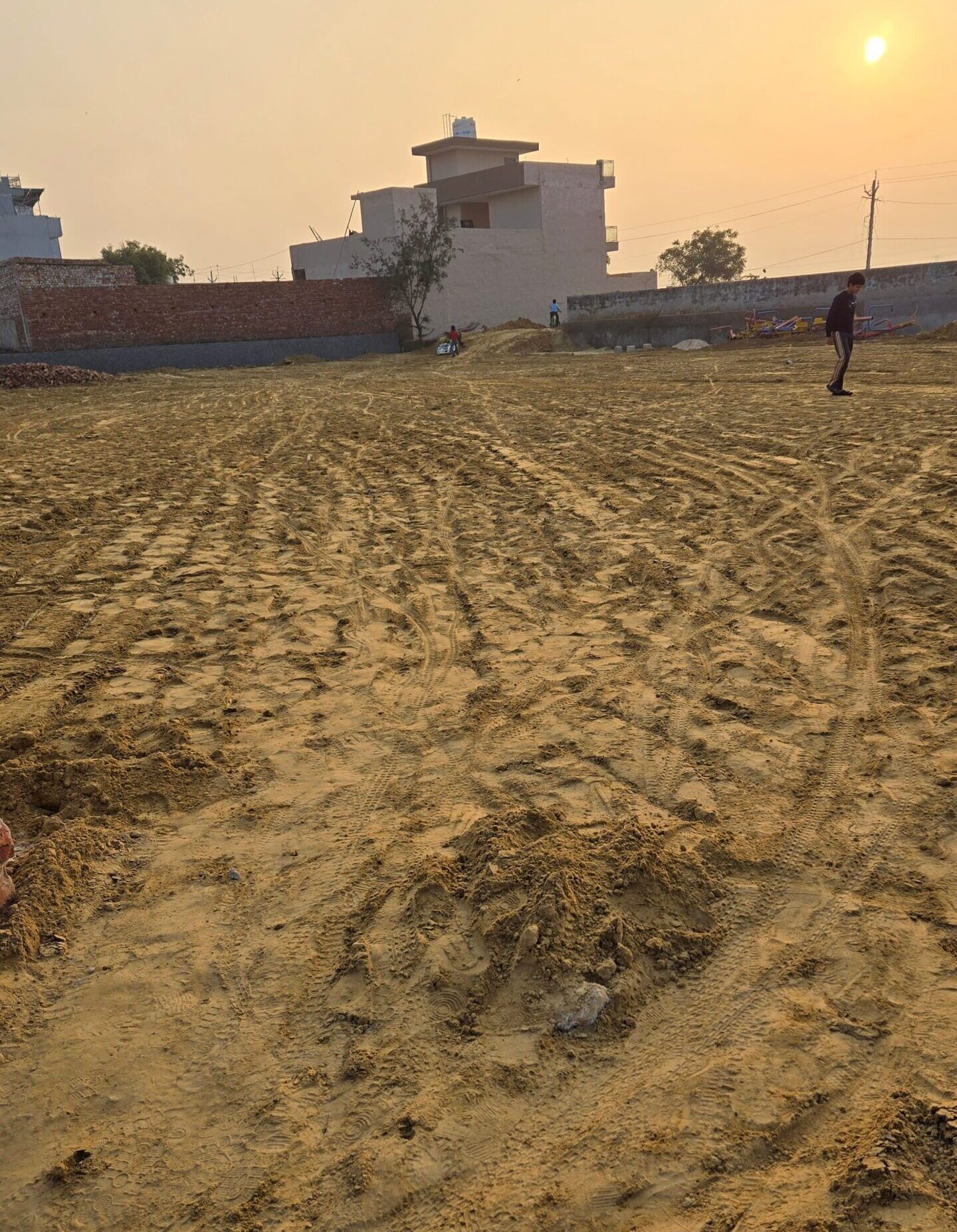
Water body converted to park, Kherki Majri, Gurugram
Together with local authorities, Sankala plans to develop a
locally suited, integrated model that combines nature-based
solutions with carefully chosen engineering measures. In
practice, this will mean piloting permeable pavements on
streets that currently behave like flumes, introducing bioswales
and raingardens along edges of parks and institutions, and
creating “sponge ponds” that can safely store stormwater while
recharging groundwater.
In residential and institutional campuses, Sankala Foundation will work with Gurgaon
municipal authorities to coordinate the setting up of Resident Welfare Association (RWA)
led decentralised rainwater harvesting and recharge systems, and to use surplus treated
water to keep
small ponds and greenbelts alive even outside the monsoon.
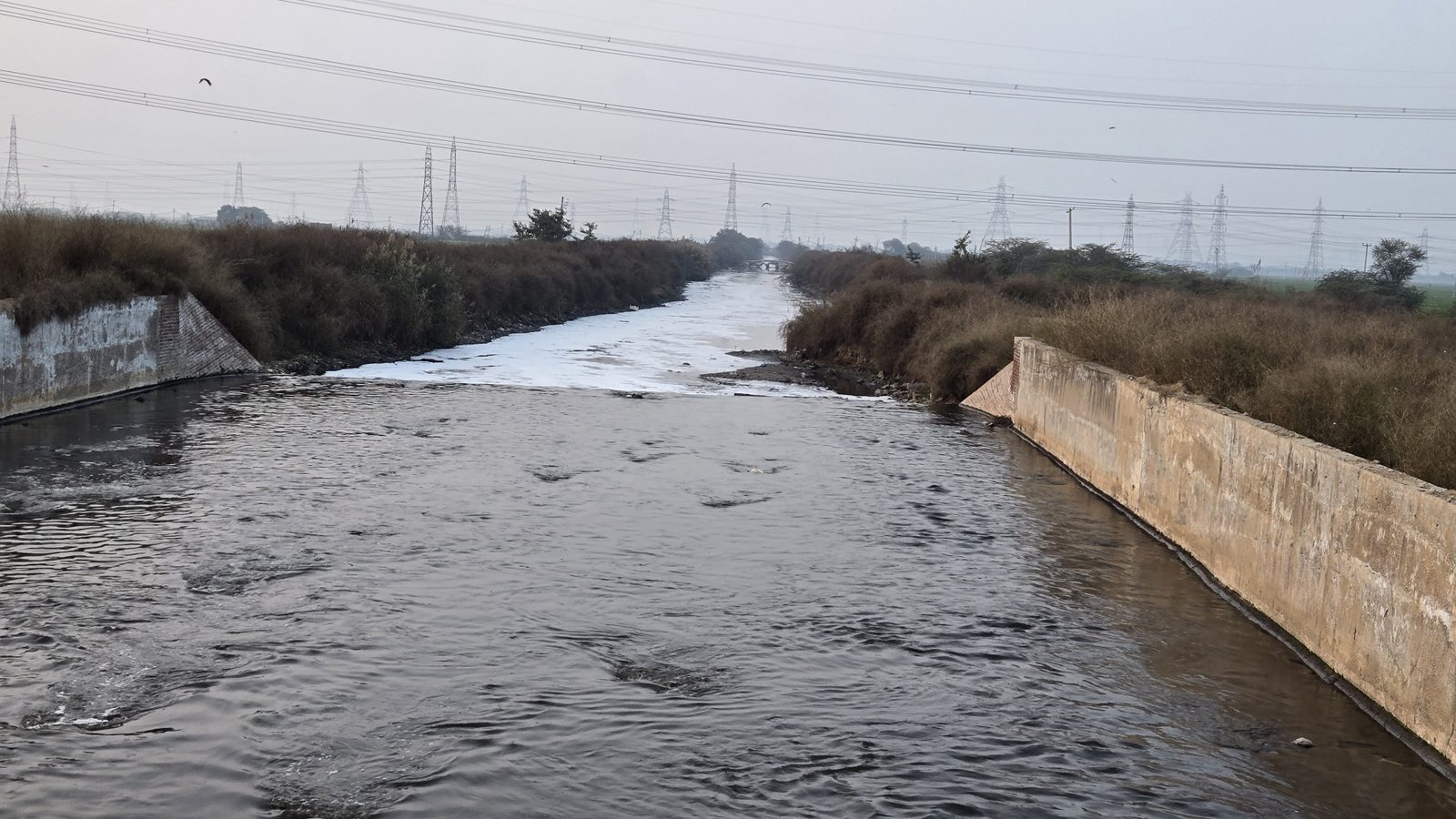
Badshahpur drain carries the entire wastewater for Gurugram to Najafgarh drain, this drain gets flooded during rainy season and causes water logging in the city
An RWA-led initiative
Equally important is the human side of the system. Sankala’s partnership model places
RWAs, corporates, community groups and frontline officials at the centre of the work.
Training workshops and on-site demonstrations will help the communities understand what
it means to turn a park into a dual-use flood and recharge field, or how to maintain a small bioswale along a boundary wall. Municipal engineers and urban planners will be invited into
the process early, so that lessons from pilots can inform design standards, zoning norms and
future projects rather than remaining isolated experiments. Academic institutions and civil
society organisations will contribute research rigour and local knowledge, helping connect
city-scale strategies with neighbourhood realities.
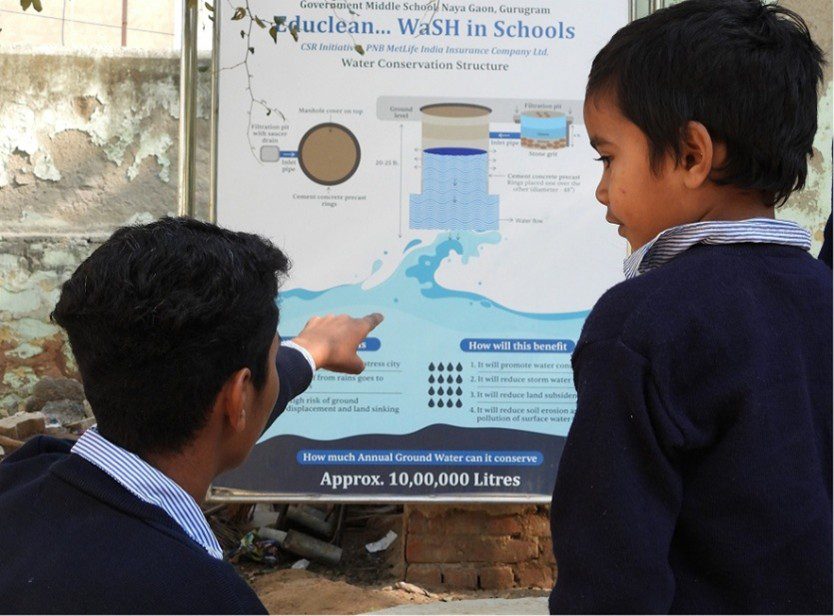
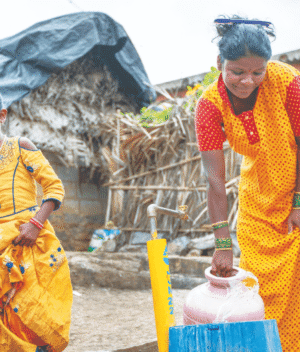
Rainwater harvesting in Gurugram by Navojyoti Foundation
The project also looks to learn
from international examples,
including cities that have begun to
treat stormwater as a resource
rather than a waste stream.
Approaches such as cloudburst
streets, green–blue corridors and
distributed retention basins will
not be copied wholesale, but
carefully adapted to Gurugram’s
soils, slopes and social fabric. The aim is to blend emerging global best practices in
sustainable urban water management with Indian planning contexts, so that the model
remains both globally informed and locally rooted.
The work is structured in three phases
The first is diagnostic: building the hydrological picture, listening to residents,
identifying hotspots and opportunities.
The second is pilot design and implementation in selected urban zones, where
multiple interventions – nature-based, grey and digital – can be tested together.
The third is replication: working with GMDA, the municipality and state agencies to integrate what works into municipal plans, standards and budgets, so that the model
can scale to other sectors in Gurugram and, eventually, other rapidly urbanising
districts in Haryana.
If this vision holds, the impact will be felt in many ways. Flooding and waterlogging in known
hotspots should reduce in frequency and severity. Groundwater levels, especially in
neighbourhoods where recharge structures are introduced, can begin to stabilise instead of
relentlessly dropping. As more treated wastewater is routed to green spaces and restored
ponds, the pressure on freshwater sources can ease, and the city’s green cover can become
more resilient to heat and drought. Perhaps most importantly, communities will have a
stake in the systems that protect them: RWAs managing their own small ponds, school
children learning to read a rain gauge, engineers and residents using the same dashboard to
decide when and where to intervene.
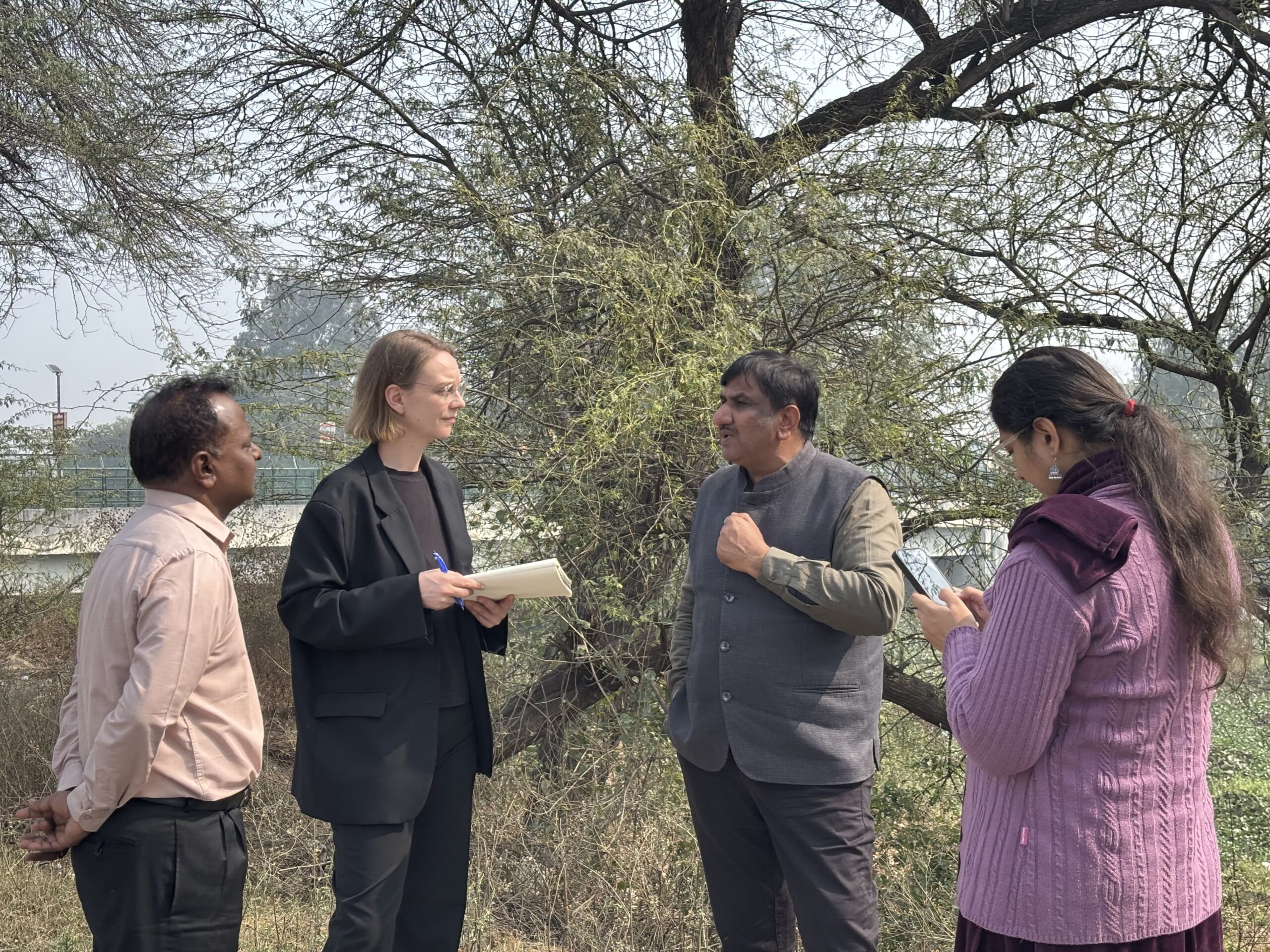
Team Sankala at the Najafgarh
For Sankala Foundation, Gurugram is thus not only a site of crisis but a proving ground. It is
where a new kind of partnership, between global expertise and local nuance, between
institutions and neighbourhoods, between grey and green, can show that even a hard-
edged, high-speed city can rediscover how to live with water, and in doing so, lay the
foundations of true urban resilience.
Mr RK Srinivasan is Programme Lead (Water Resource Management) at Sankala Foundation. With over 20 years of experience in the sector, Mr Srinivasan leads and steers the strategic design, research and monitoring of water resource management initiatives, advancing policy advocacy to strengthen water security, climate resilience, and inclusive service delivery across rural and urban systems.