
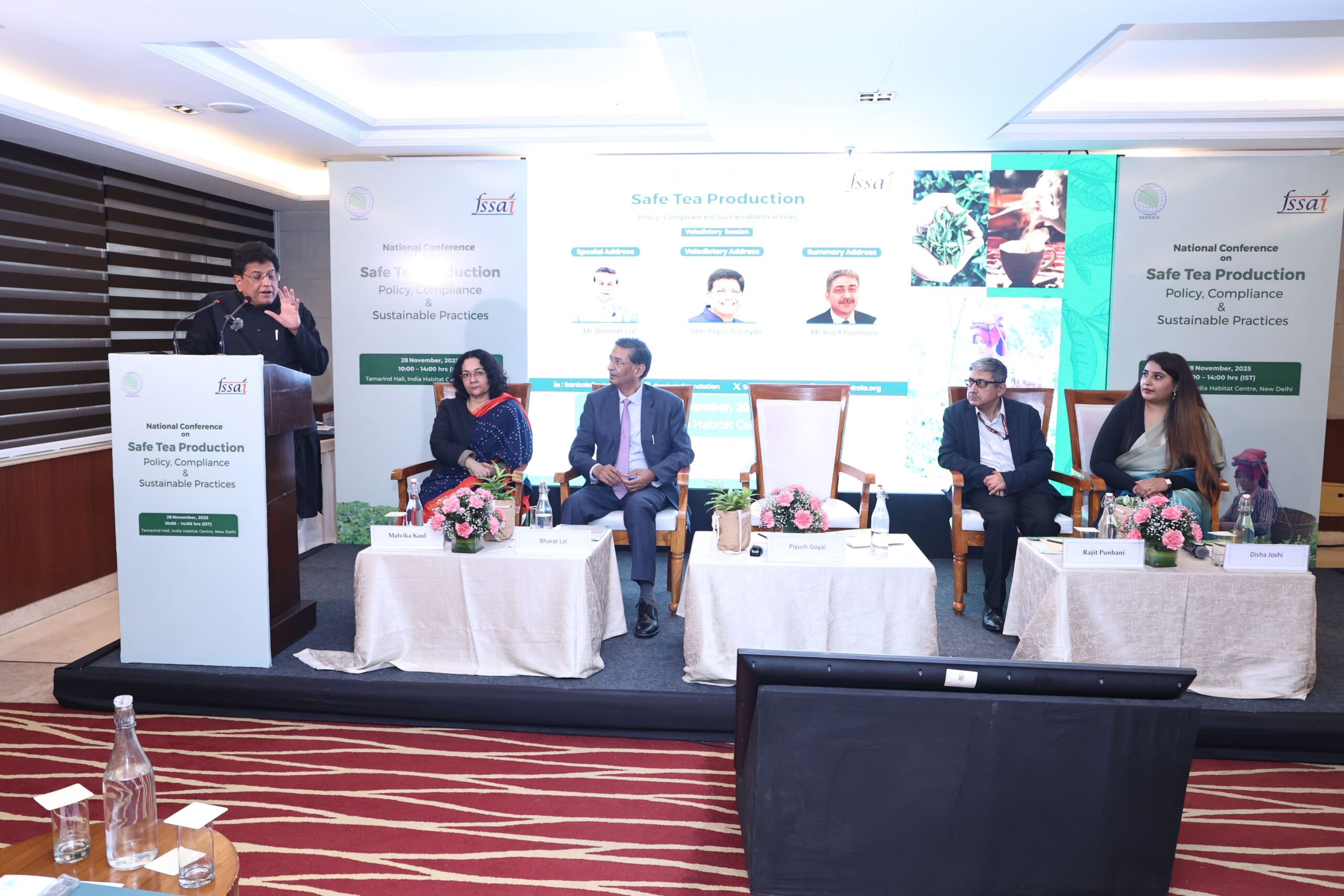
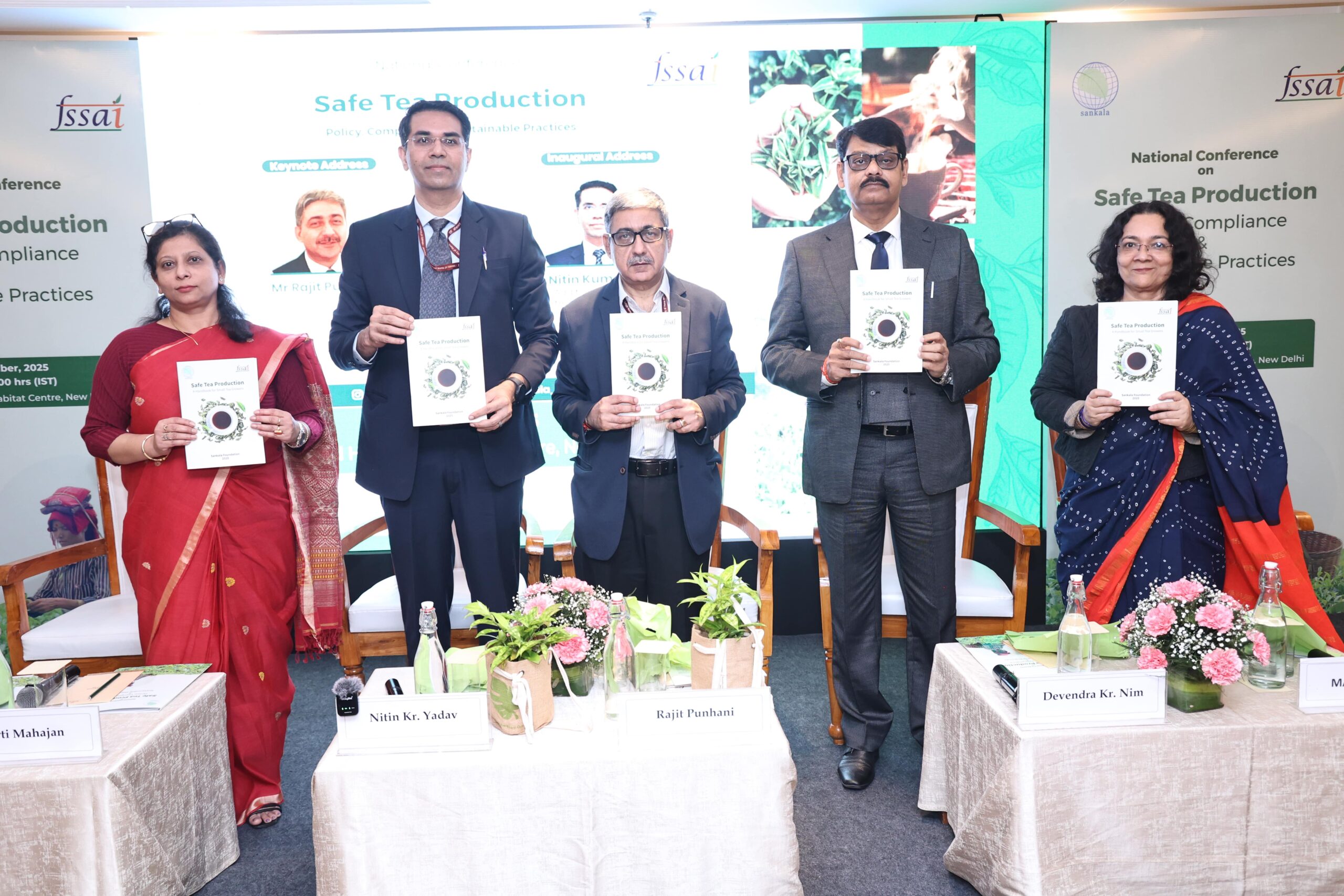
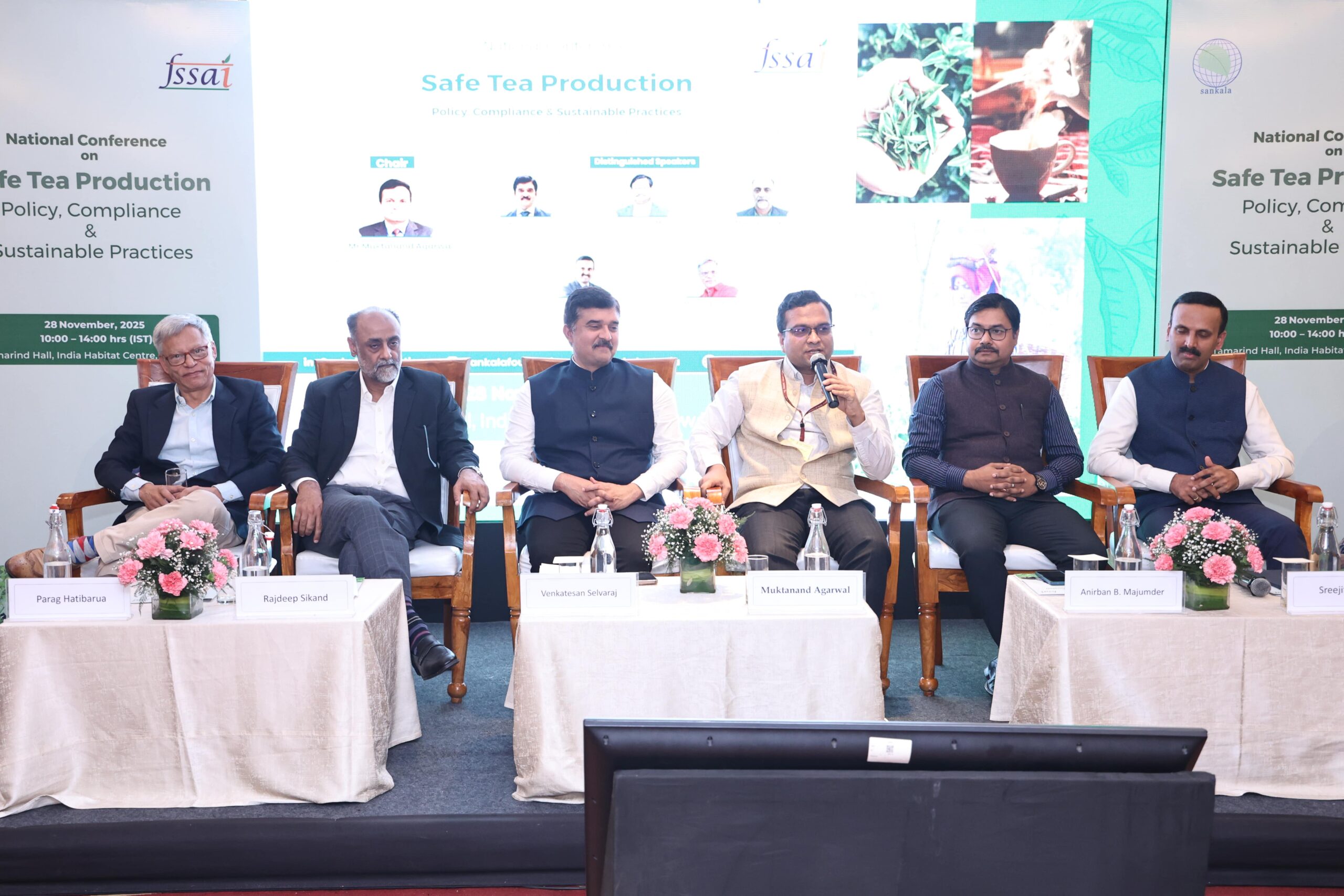
National Conference on
Safe Tea Production
Policy, Compliance & Sustainable Practices
- Friday, 28th November 2025 | 10:00 – 14:00 hrs
- Tamarind Hall, India Habitat Center, New Delhi
Why This Dialogue Matters.
India’s tea industry stands at a pivotal crossroads, balancing growing global expectations for safety, traceability, and sustainable production. As the world’s second-largest producer and the largest consumer of tea, India is witnessing a transformative shift in both policy and practice. The rise of Small Tea Growers (STGs), now contributing nearly 52% of the national production, has created new opportunities across the Northeastern and Southern regions but has also exposed systemic challenges. Many growers have transitioned from diverse cropping systems to monocrop tea cultivation, often without structured agronomic training or access to scientific guidance. Reliance on informal pesticide advice has led to unsafe practices that threaten market access, soil fertility, and water sustainability.
While the Food Safety and Standards Authority of India (FSSAI) has established Maximum Residue Limits (MRLs) for pesticides, non-compliance remains common due to low awareness and limited field-level support. There is an urgent need to strengthen Integrated Pest Management (IPM), promote safer biocontrol alternatives, and enhance farmer education on Good Agricultural Practices (GAP). Despite progress in regulatory frameworks, monitoring, and traceability systems, many smallholders remain beyond institutional outreach. Bridging this divide through capacity building, awareness programs, financial support, and digital tools for compliance is vital to ensuring that India’s tea sector meets food safety standards, protects natural resources, and thrives sustainably amid evolving market demands.
About the Conference
The National Conference on Safe Tea Production: Policy, Compliance, and Sustainable Practices, organised by the Sankala Foundation with support from the Food Safety and Standards Authority of India (FSSAI), aims to address one of the most pressing challenges facing India's tea industry: ensuring that every cup of tea produced is safe, compliant, and sustainable. As the world's second-largest producer and largest consumer of tea, India's long-term competitiveness depends on how effectively its production systems integrate food safety, environmental stewardship and social well-being. Small Tea Growers (STGs), who now contribute more than half of national output, remain central to this effort but continue to face constraints in accessing testing infrastructure, scientific guidance and regulatory support. These gaps have implications for soil health, water quality, workers' safety, and consumer trust, making the need for coordinated policy action both urgent and vital.
The conference will feature dialogues on strengthening the national compliance ecosystem, harmonising regulatory frameworks, promoting responsible pesticide management, improving testing and traceability systems, and integrating digital and climate-conscious solutions across the tea value chain.
It seeks to align policy intent with ground realities and build a shared roadmap that supports growers, enhances institutional collaboration and reinforces India's leadership in safe and sustainable tea production.
Through informed dialogue and evidence-based action, the conference aspires to help shape a future where India's tea sector safeguards livelihoods while meeting the highest global standards for safety, sustainability, and trust.
Conference Objectives
Sessions at the Conference
Over recent years, significant progress has been made in aligning national residue standards with international benchmarks, strengthening traceability systems, and enforcing Maximum Residue Limits (MRLs) for commonly used pesticides.
The session will explore how these frameworks can be further harmonized to support sustainable production while ensuring compliance with global food safety norms.
- Evaluating the effectiveness of current MRL enforcement and lab testing infrastructure.
- Strengthening coordination between Tea Board, FSSAI, and CIB&RC on pesticide approvals.
- Scaling digital traceability from estate to cup to meet EU and US import requirements.
- Learning from global leaders (e.g., Japan, Kenya) in residue management and certification.
The session will bring together regulators, scientists and industry representatives to chart a stronger compliance ecosystem that protects both livelihoods and public health.
Limited technical capacity, informal advisory networks, and restricted access to safe agricultural inputs often result in non-compliance and unsustainable practices.
This session focuses on closing the policy-to-practice gap through state-led action, institutional support and grower empowerment.
- Strengthening state-level extension systems and compliance oversight.
- Improving training on Good Agricultural Practices (GAP) and Integrated Pest Management (IPM).
- Promoting soil health management, clone selection and safer inputs.
- Role of industry associations, cooperatives and producer groups in last-mile outreach.
- Use of digital tools for advisories, traceability, real-time monitoring and market linkages.
- Collaborative pilots for residue reduction and sustainable cultivation models.
The session aims to build practical, scalable pathways ensuring that regulatory reforms meaningfully reach growers on the ground.
Though, compliance challenges persist at the field level due to limited coordination between agencies, restricted access to testing infrastructure, and inadequate dissemination of advisories to growers. This session will examine the existing regulatory framework and explore how policy coherence, enforcement, and innovation can enhance safety and sustainability across the tea value chain.
- Current regulatory architecture and its implications for safety, market access, and consumer trust
- Strengthening enforcement of MRLs and promoting responsible pesticide stewardship
- Harmonisation between national standards and global benchmarks.
- Policy innovations for climate-conscious and sustainable tea production
- Strategies to improve testing, monitoring, and institutional convergence
The session will convene regulators, scientists, and industry leaders to chart a stronger compliance ecosystem that safeguards both livelihoods and public health.
This session focuses on bridging the gap between policy and practice through state-led action, institutional support, and grower empowerment. Regional organisations and collaborative mechanisms play a crucial role in effectively implementing regulatory intent on the ground.
- Strengthening state-level extension systems and compliance oversight
- Improved training on Good Agricultural Practices (GAP) and Integrated Pest Management (IPM)
- Promoting soil health management, clone selection, and safer inputs
- Role of industry associations, cooperatives and producer groups in last-mile outreach
- Use of digital tools for advisories, traceability, real-time monitoring and market linkages
- Design collaborative pilots for residue reduction and sustainable cultivation
The session aims to identify practical, scalable models that enable small growers to adopt safe and sustainable practices, ensuring that policy reform translates into meaningful impact in the field.
Event Schedule
Speakers
Shri Piyush Goyal
Chief Guest
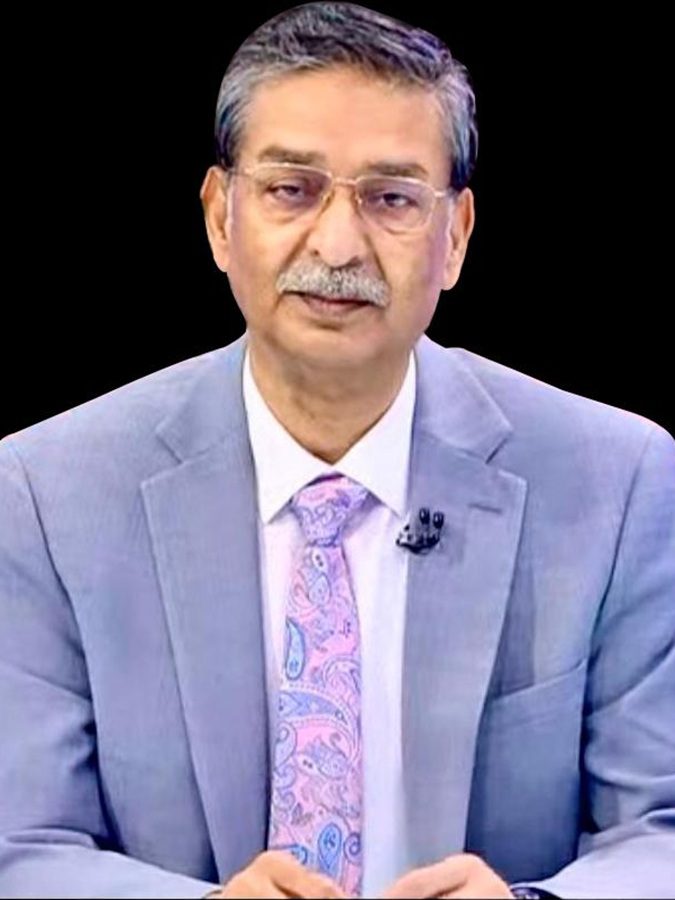
During his previous tenures, Shri Goyal has played a pivotal role in expanding India’s global trade footprint, steering the nation to its highest-ever exports of USD 776 billion in 2022–23. He led the signing of major trade agreements, including the India–UAE FTA, the fastest-ever globally negotiated, and the India–Australia Economic Cooperation and Trade Agreement (ECTA), India’s first pact with a developed nation in a decade. He also championed the Production Linked Incentive (PLI) schemes, driving India’s manufacturing competitiveness across sectors.
Shri Goyal’s leadership was instrumental in the successful implementation of the Pradhan Mantri Garib Kalyan Anna Yojana (PMGKAY)—the world’s largest food security programme—providing free foodgrains to nearly 80 crore citizens during a critical period. As Minister of Railways, he enabled India to achieve its best-ever safety record, with zero passenger fatalities. Earlier, his work in the Power, Coal and New & Renewable Energy ministries saw the rollout of the world’s largest LED bulb distribution initiative (UJALA), which transformed India’s energy-efficiency landscape. His contributions to energy reform earned him the prestigious Carnot Prize (2018) from the University of Pennsylvania.
Mr Bharat Lal
Special Address
Mr Lal joined the civil service in 1988 and has worked both in Gujarat and Government of India, handling varied subjects. From 2017 to 2019, he served as Additional Secretary to the President of India at Rashtrapati Bhavan. He is the Founder Mission Director of Jal Jeevan Mission (2019–2021), aimed at ensuring clean tap water to every rural household in the country. In 2022, he was appointed as Secretary to the Lokpal of India and later in 2022-23 worked as Director General of the National Centre for Good Governance (NCGG).
During his tenure in the state of Gujarat, Mr Lal played a key role in promoting investment and its diplomatic outreach. He has worked for a long time in the water, sanitation and hygiene (WASH) sector. In 2002, he was instrumental in establishing the Water and Sanitation Management Organisation (WASMO) in Gujarat. This transformative work was awarded the United Nations Public Service Award, the CAPAM Award, and the Prime Minister’s Civil Services Award for Excellence in Public Administration. He has also conceptualised critical initiatives like Chiranjeevi Yojana for maternal healthcare, Eklavya Model Residential Schools for tribal children and Van Bandhu Kalyan Yojana to improve the lives of tribal communities. His work to set up Pani Samiti in every village with more than 50% women members to handle WASH services has led to women taking centrestage leading to responsible and responsive leadership at the village level.
Mr Rajit Punhani
Inaugural Address
Mr Punhani has led major national initiatives such as ICDS implementation, policy evaluation through RCTs, and labour welfare reforms, and has been associated with leading institutions including Harvard Kennedy School and Cambridge Judge Business School. He has delivered lectures across India and abroad.
Mr Nitin Yadav
Chair - Session I
Mr Muktananda Agrawal
Chair - Session II
Dr Satyen Kumar Panda
Distinguished Speaker - Session I
Dr K L Gurjar
Distinguished Speaker - Session I
With over 21 years of experience in plant protection and regulatory systems in India, Dr Gurjar has contributed extensively to fields including Integrated Pest Management, Locust Control & Research, Plant Quarantine, and Pesticide Regulation. He is also In-charge of Planning & Coordination at DPPQ&S, Faridabad. Dr Gurjar has played key national roles including leading the Locust Control Campaign (2019–2020), representing India in international platforms such as SWAC (2018) and DLCC Ethiopia (2020), and conducting major national crop risk assessments. His expertise is widely recognized across institutions such as ICAR, NIPHM, NIBSM, and state agricultural departments, where he frequently delivers expert lectures on plant protection, fungicides, pesticide regulations, and biological control.
He has authored research papers, public articles, and expert radio/TV segments, and recently received the Agrotech Innovation Award (2025) for contributions to sustainable plant protection.
Mr Tushar Tripathi
Distinguished Speaker - Session I
Mr Arun Narain Singh
Distinguished Speaker - Session I
He has held key industry leadership positions including:
▪️ Chairman — Indian Tea Association
▪️ Head — Consultative Committee of Plantation Associations
▪️ Chairman — Tea Research Association (Tocklai)
Mr Singh is also the Founder Trustee of Tea Vision Trust, India’s only tea-focused think tank, and currently serves as Chairman of the Federation of All Tea Stakeholders Association, working to address food safety and MRL-related challenges in the sector.
His expertise spans strategic plantation management, marketing, diversification, and value addition, and his leadership approach has influenced industry innovation and policy direction for years.
Dr Venkatesan Selvaraj
Distinguished Speaker - Session II
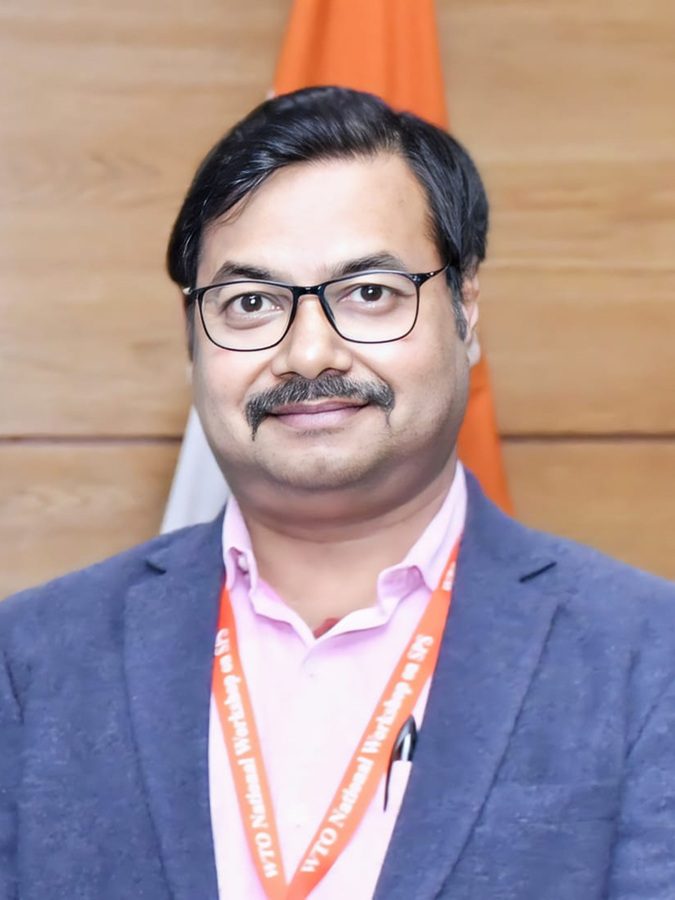
With over 25 years of experience in the global food and beverage sector, Dr Selvaraj's work sits at the powerful intersection of quality, innovation, and environmental stewardship, inspiring a future where agriculture and sustainable practices go hand in hand.
Dr Selvaraj has contributed significantly to scientific progress, with: Patented product formulations 75+ scientific publications shared globally A proven record of transforming research into real-world industry impact
Throughout his career, he has held key roles in leading organisations, including, UPASI, DAL Food Sudan, CavinKare, Dabur India Limited, Standard Surfactants Ltd, and Wagh Bakri Tea Group, among others.
He has also collaborated on landmark projects with global and government bodies including the UN, WFP, and several national agencies, shaping industry perspectives on safety, compliance, and sustainable production.
Dr Anirban Basu Majumder
Distinguished Speaker - Session II
Mr Rajdeep Sikand
Distinguished Speaker - Session II
With experience across both India and international markets, he has curated blends for diverse consumer regions including India, the UK, North America, Continental Europe, and Australia.
At Tata Consumer Products, he oversees a portfolio of over 500 raw materials, including tea, coffee, grains, spices, oils, sugar and more, ensuring quality, compliance, and supply chain resilience across the business.
Mr Sreejith A K
Distinguished Speaker - Session II
Mr Sreejith is a recognised leader in sustainable agriculture, organic value chains, and small tea grower empowerment. With over 20 years of experience, he has played a key role in strengthening farmer livelihoods and promoting responsible tea production practices across India.
He serves as the Chairman & Executive Director of Wayanad Green Tea Producer Company Ltd., India’s first Farmer Producer Company in the organic tea sector, and has been instrumental in advancing 100% organic cultivation and rural economic resilience.
He also currently serves as President of the South Indian Small Tea Growers Association. As a Member of the Tea Board of India’s District Price Monitoring Committee, he contributes to ensuring transparency, fair pricing and sectoral accountability.
His work extends to supporting women-led enterprises as a mentor and panelist with the IIMK LIVE SMART SREE program, where he supports women-led micro-entrepreneurs through guidance, capacity building and strategic insights.
Mr Parag Hatibarua
Distinguished Speaker - Session II
Who Should Attend?
This conference brings together the tea ecosystem to align policy with practice. Be part of the conversation shaping the future of tea.
