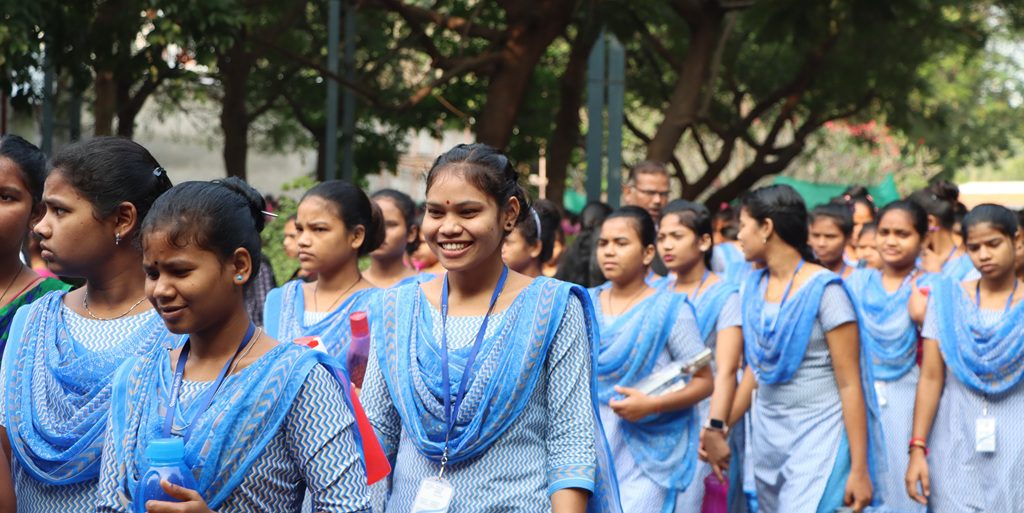
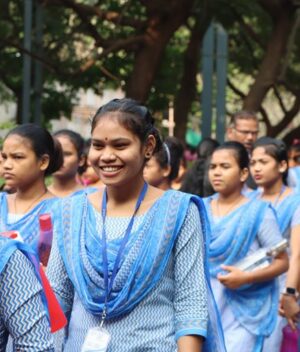
Young women employees, moving together on campus, reflecting confidence, solidarity, and shared aspirations
March is a special month for me. We celebrate the International Day of Women.
This year, the theme of IWD is ‘Give to Gain’, underscoring the need to foster a supportive environment for women to create a more prosperous and equitable
society. What I witnessed at KPR Mill in Coimbatore, Tamil Nadu, is precisely an
example that embodies this philosophy. It is here where the rhythm of a spinning
loom coexists with the hum of an evening classroom, and where young women
from some of India’s poorest households are simultaneously earning a wage and
earning a degree.
This is the story of over 30,000 women, more than 90 per cent of KPR’s total
workforce, many of whom arrived at the factory gates with little more than a
Class IX education and a need to support their families. They came from the tribal
belts of Chhattisgarh and Odisha, the rural districts of Bihar and Jharkhand, and
the North-Eastern states of Assam and Meghalaya, alongside young Tamil women
from the economically weaker communities within the state. What they found at
KPR was not merely a job. But the possibilities of building a better future for
themselves and the community at large.
The Scale of the Problem: Why This Matters Now
The statistics speak of the imperative need to act urgently. The International
Labour Organization (ILO) estimates that the global labour force participation rate
for women remains just under 47 per cent, compared to 72 per cent for men. In
India, the female labour force participation rate (LFPR) had languished at 23.3 per
cent as recently as 2017–18. While the Periodic Labour Force Survey shows an
encouraging rise to 41.7 per cent by 2023–24, this figure still falls short of the
global average and is far short of what India requires to fulfil its ambition of
becoming a Viksit Bharat, a developed nation, by 2047.
The gender pay gap, estimated at around 20 per cent globally by the United
Nations, compounds the problem. Women remain overrepresented in informal,
low-wage, and precarious employment. An estimated 73.5 per cent of women
workers worldwide lack access to social protection. In India’s manufacturing
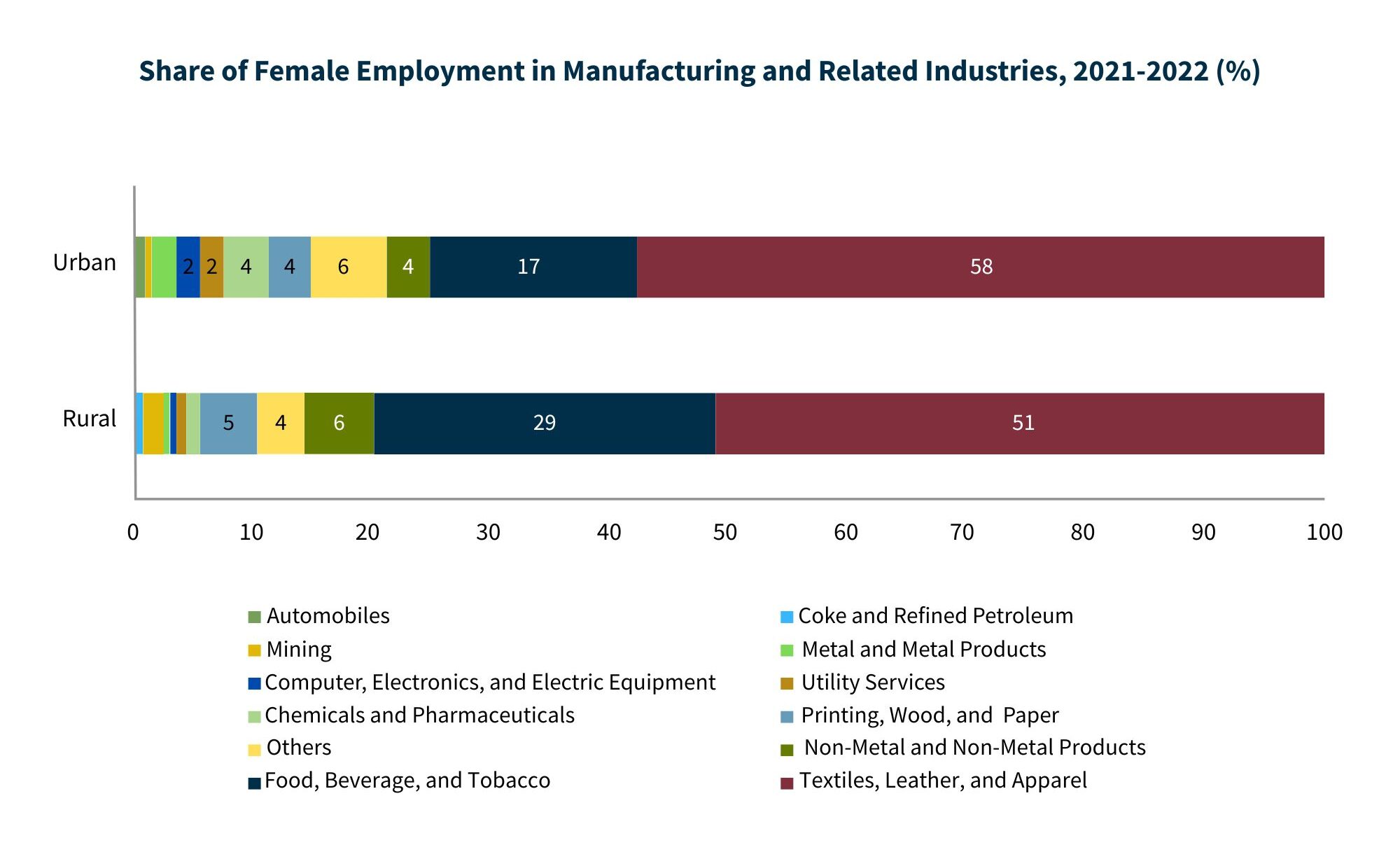
sector, the textile and apparel industry is the single largest employer of women,
with over 45 million people employed directly and women constituting more than
60 per cent of the garment workforce. Yet for decades, employment in this sector
has been synonymous with informality, low wages, and limited upward mobility.
Figure 1: Share of Female Employment in Manufacturing and Related Industries, 2021- 2022 (%)
Simultaneously, the education pipeline for girls from underprivileged backgrounds
remains leaky. UNESCO data reveals that globally, 272 million children and youth
remain out of school, with girls in low- and middle-income countries disproportionately affected. In these countries, only 66 per cent of girls enrolled
in primary school complete their education, compared to 71 per cent of boys, and
a mere 38 per cent of girls complete lower secondary school. India’s own story
mirrors these global patterns. Despite laudable progress—the female literacy rate
rose from 8.9 per cent in 1951 to 70.3 per cent in 2021—significant disparities
persist. Moreover, the dropout rate for Secondary Level (Classes 9–10)
disproportionately affecting girls. The reasons are painfully familiar: poverty, early
marriage, caregiving responsibilities, and the sheer absence of accessible
educational institutions. The path from education to employment remains
fractured for millions of young Indian women.
A Factory That Teaches: The KPR Model
It is against this backdrop that our research team at the Sankala Foundation
undertook a detailed study of KPR Mill’s Women Employees Educational Division.
Established in 1996, this initiative began as an informal partnership with Tamil
Nadu Open University and has since evolved into a comprehensive educational
ecosystem offering school-level courses through the National Institute of Open
Schooling (NIOS), undergraduate and postgraduate degrees through Tamil Nadu
Open University, and diploma programmes in nursing, computer skills, yoga, and
teacher training.
What struck me most during our fieldwork was the sheer ingenuity of the design.
Classes are scheduled during evenings and weekends to accommodate work shifts. A dedicated bus service transports workers from factory units to the
college campus for weekend practical sessions. Twenty-eight faculty members
teach school-level courses, 56 handle undergraduate and postgraduate
programmes, and education coordinators at each unit actively encourage
enrolment, track attendance, and follow up with those who miss classes. The
women pay only 50 per cent of their examination fees. Everything else, tuition,
accommodation, meals, and healthcare, is provided.
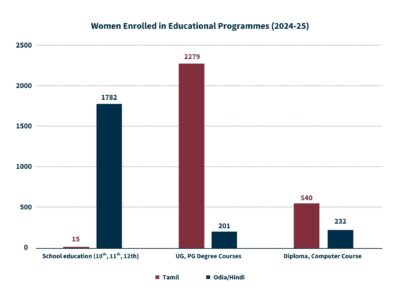
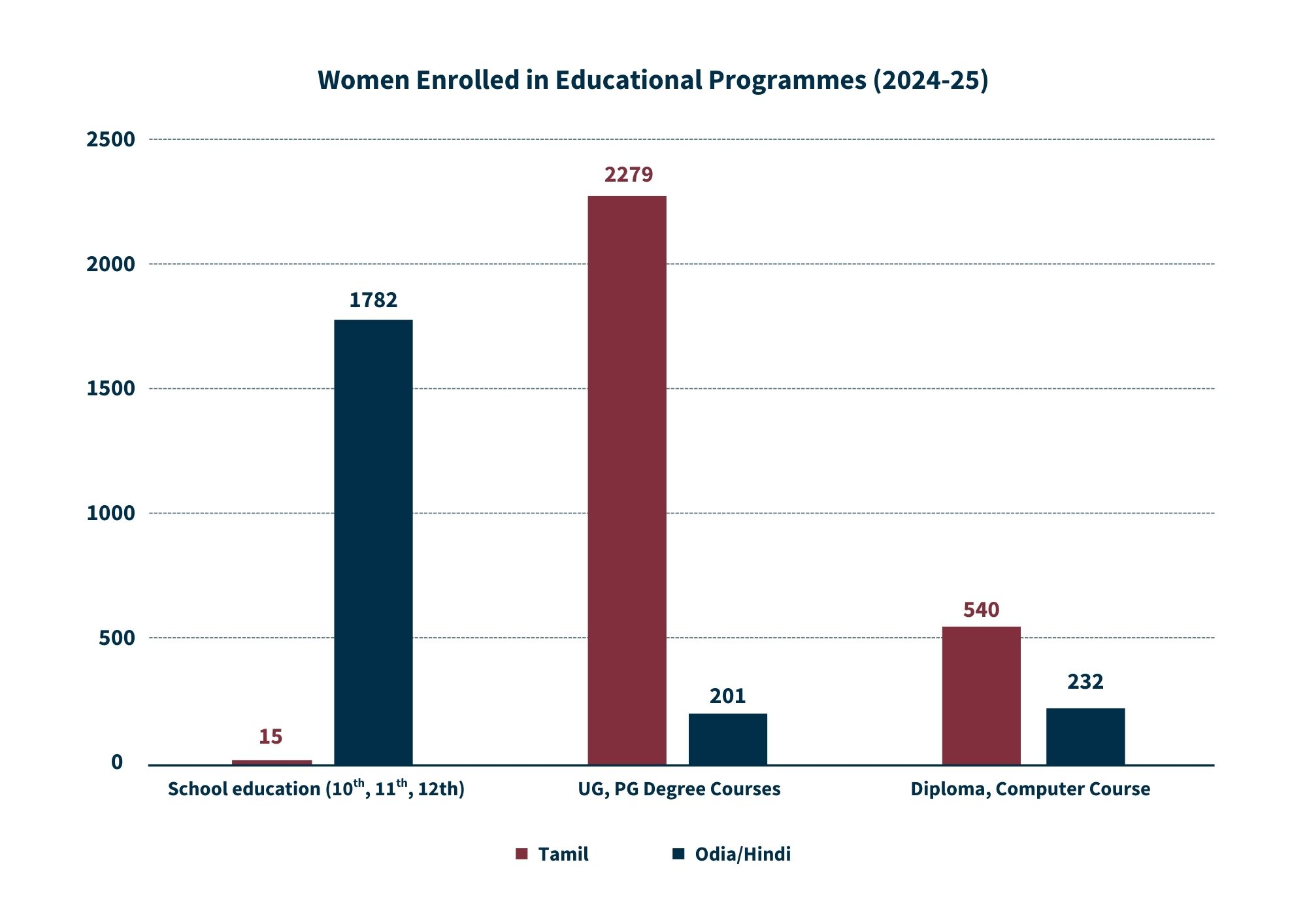
Graph 1: Women Enrolled in Educational Programmes (2024-25)
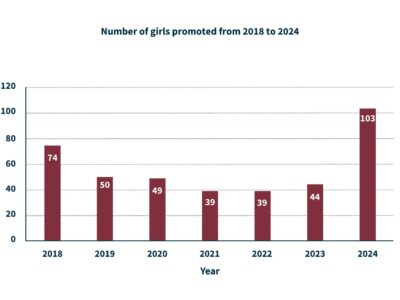
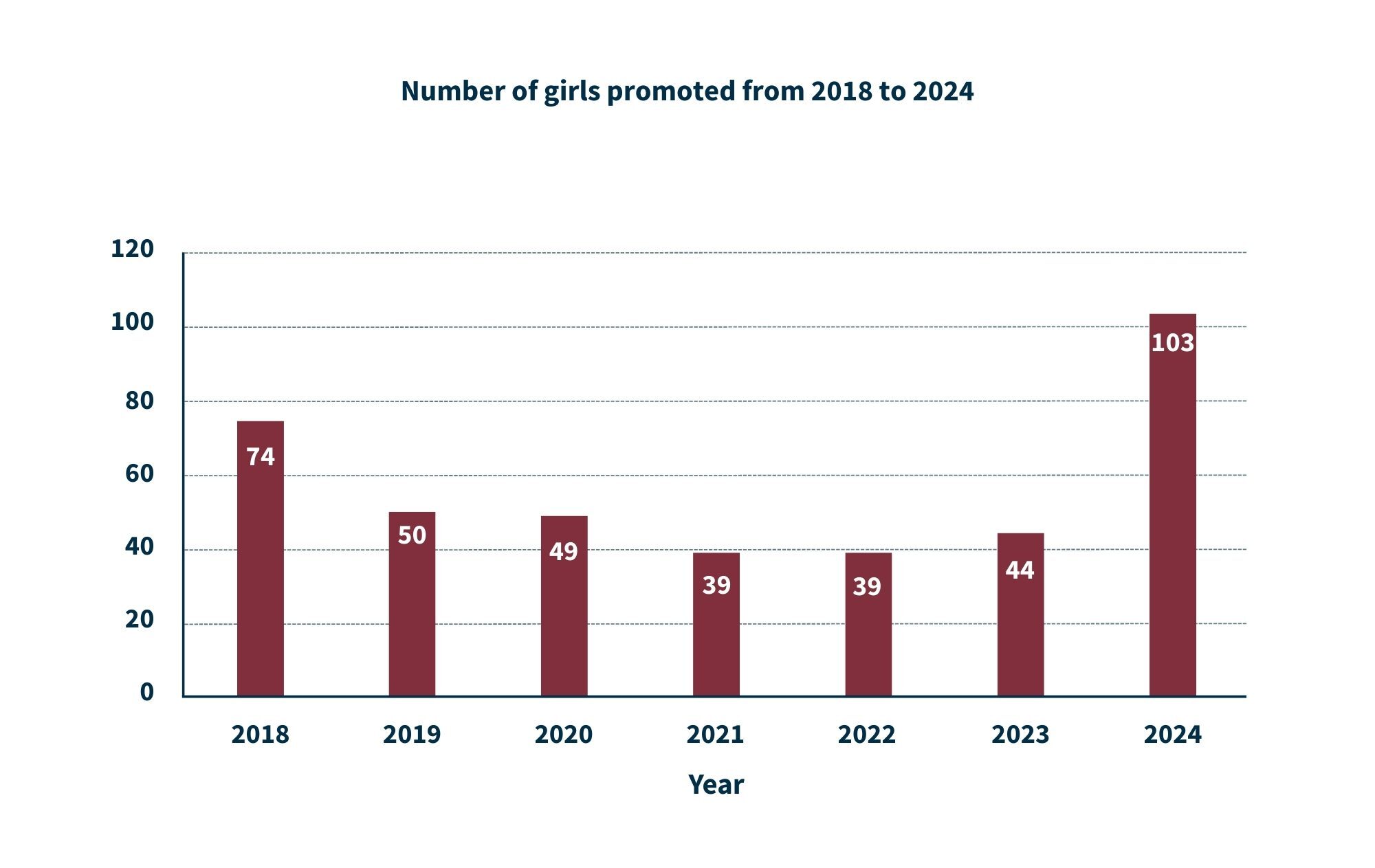
Graph 2: Number of Students Enrolled in School Education (Yearly Distribution)
But the educational infrastructure is only one thread in what is a far more
integrated fabric of support. KPR has built an entire ecosystem around its women
workers that addresses not just their professional needs, but their physical well –
being, nutritional security, and emotional health. Each of its eight factory units in
Coimbatore provides free hostel-style accommodation. Three nutritious meals a
day cater to both north and south Indian dietary preferences, with dedicated
cooking staff from Odisha preparing meals for interstate migrants. Iron-rich
supplements, eggs, and milk are provided to address anaemia, a condition that
afflicts 59 per cent of adolescent girls in India. During the summers, buttermilk
and snacks are served during shifts to help women cope with the heat of the
factory environment. For women who once struggled to secure one square meal
at home, this is transformative.
Beyond work and education, KPR has invested in the holistic development of its
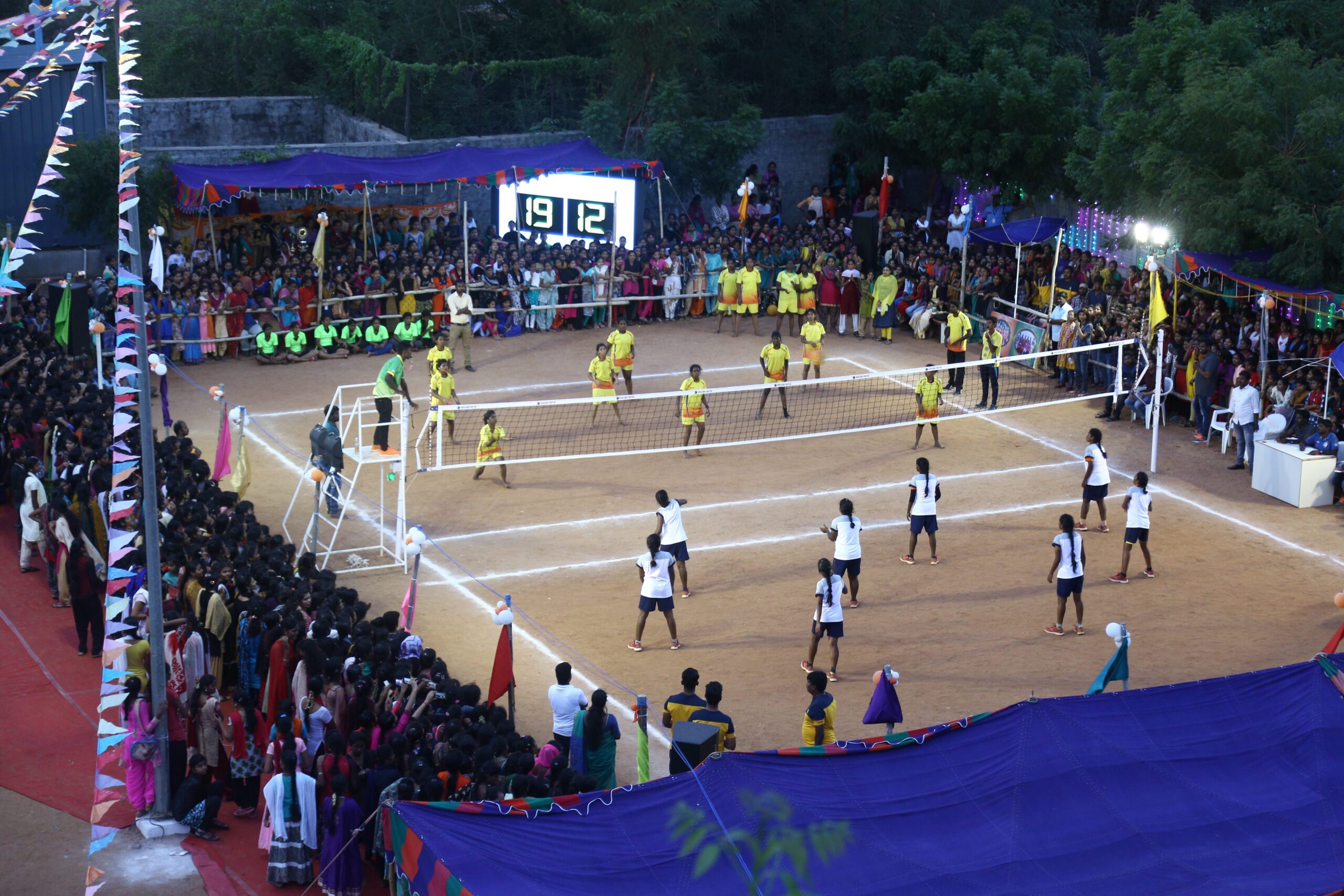
women employees. Sports grounds for throwball, kho-kho, and kabaddi, with
inter-unit tournaments held every four months and dedicated trainers, provide
both recreation and a sense of competitive achievement. Besides, on-campus
ATMs, shopping centres, and LED screens for evening movie screenings in Hindi,
Odia, and Tamil create a self-contained ecosystem. Festival celebrations be it
Diwali, Pongal, Eid, Rath Yatra, bring together employees from diverse
backgrounds, fostering a sense of belonging far from home. For women who have
migrated hundreds of kilometres, many for the first time in their family’s history,
this ecosystem of safety and belonging makes the work, the study, the aspiration,
possible.
Employees showcasing incredible athleticism and teamwork during the thrilling throwball finals. These events are key
to fostering unity and healthy competition
The Numbers That Tell the Story
Of the approximately 30,000 female employees at KPR, 5,049 women were
enrolled in educational programmes as of 2024–25. Of these, Hindi and Odia-
speaking workers from northern and eastern states show significantly higher
enrolment in school-level education, a reflection of poorer educational
attainment in their home states. Tamil-speaking workers, benefiting from Tamil
Nadu’s relatively stronger school education system, are more heavily represented
in undergraduate and postgraduate courses and diploma programmes.
The enrolment trajectory for undergraduate and postgraduate courses shows a
particularly encouraging upward trend since 2019, coinciding with the formal
establishment of the Women Employees Education Division and the appointment
of a dedicated Principal.
Graduation data is encouraging. The first convocation, held in 2022, saw 610
students graduate from two batches. Subsequent years produced 416 and 600
graduates, respectively. The first placement drive in 2023 resulted in 234 students
receiving offers from reputed companies, including Tata Electronics, Zoho, Robert
Bosch, and Tech Mahindra. Many also get promoted within KPR, and this
encourages and motivates other employees to enrol in the programme as they
become role models for others.
But the transformation runs deeper than enrolment sheets and graduation tallies.
Our focus group discussions with 100 women workers revealed a profound shift in
self-perception and life trajectory. Fifty-three of these women were the first
individuals in their families to have migrated to another city or state for work.
Their average monthly income of approximately ₹11,390 may seem modest, but
for families where agriculture or manual labour was the sole livelihood, it
represents a revolution in household economics. Nearly all participants reported
sending a majority of their salaries back home, for house construction, debt
repayment, medical treatments, and siblings’ school fees. One participant told us,
“We had a lot of financial problems; the money I send helps in making the house.
Neither of my parents is employed as they are really old.”
What I found most striking was the change in family dynamics. Women who once
had no voice in household decisions are now consulted on major financial matters
by parents and brothers. Several reported that their younger sisters had been
inspired to seek work themselves. One woman shared, “My brother called and
asked me if he should take out a loan, and if I can help him with the same. He also
asks me for my opinion on other things.” The ripple effect of one woman’s
employment at KPR extends far beyond the factory walls, it reshapes the power
geometry of entire families.
Financial literacy has been another quiet but powerful transformation. Most women received an ATM card for the first time upon joining KPR and learnt to use
it through orientation training. Over time, they moved from spending impulsively
to saving deliberately, building houses, investing in gold, and planning small
businesses. One participant said, “I did not ever imagine that I would be able to
build a big house. I also picked up an advance from my PF to make the house.”
Employment at KPR has not merely increased these women’s incomes; it has
equipped them with the financial knowledge and tools necessary for long-term
independence.
Perhaps the most telling indicator is what these women now aspire to. Women
enrolled in educational programmes expressed goals that would have been unthinkable before KPR: pursuing postgraduate degrees, preparing for the Odisha
Civil Services, becoming teachers, opening boutiques in their home villages and
employing other women. One participant said, “I want to open a boutique and
employ girls from my village, and will teach them the skills that I have learnt
here.” Teachers at the education division reported visible changes in students
over time, improved communication, greater participation in group discussions,
and a willingness to lead. Even among women who were not enrolled in formal
education, there was a strong sense of direction: many spoke of plans to return home and start tailoring enterprises, leveraging the skills and savings they had
acquired at the mill. The factory, in effect, has become a finishing school for life.
Why Female Labour Participation Holds the Key to Viksit Bharat
India’s aspiration to become a developed nation by 2047 is inseparable from the question of women’s economic participation. The McKinsey Global Institute has
estimated that India could increase its GDP by 16 to 60 per cent by enabling
women to participate in the economy on par with men, generating approximately
$700 billion in additional GDP. The International Monetary Fund’s projections are
equally compelling: raising female labour force participation to match male rates
would boost GDP by 5 per cent in the United States, 9 per cent in Japan, and even
higher in economies where the gap is wider.
India’s 432 million working-age women currently contribute only 18 per cent to
the nation’s GDP. This is not merely a social issue; it is a critical economic barrier.
The Sankala Foundation’s Women Leadership Moonshot conference articulated a
clear imperative: the country must transition from women’s empowerment as a
welfare concept to women-led development as an economic strategy. This
requires bold reforms in access to credit, capital, markets, mentorship, digital
inclusion, and, perhaps most fundamentally, in the ecosystem that connects
education to employment.
The textile sector, which already employs more women than any other
manufacturing industry in India, is a natural site for this transformation. With the
government’s PM MITRA Parks Scheme, Production Linked Incentive (PLI) Scheme, and Free Trade Agreements expanding export opportunities, the
demand for a skilled female workforce will only intensify. The question is whether
this demand will be met with women who have been educated, skilled, and
empowered, or with women trapped in the same informal, low-wage patterns
that have characterised the sector for decades.
What KPR Gets Right and the Blueprint India Needs
The KPR model demonstrates that a private enterprise can institutionalize
education within an industrial framework and produce measurable
empowerment outcomes. Women who entered with limited exposure emerge
with qualifications, professional skills, confidence, and broadened horizons. The
integration of residential security, healthcare, recreational facilities, and
structured career pathways creates an ecosystem that goes beyond mere employment toward holistic development. Yet our study also identified areas that
demand attention: career advancement pathways for women into supervisory
and managerial roles need formalization; language support for interstate workers
must be strengthened, the diversity of the workforce is an asset, but only if it is
matched by inclusive communication infrastructure; and grievance redressal
mechanisms, while functional, require continued systematization to ensure
transparency and trust.
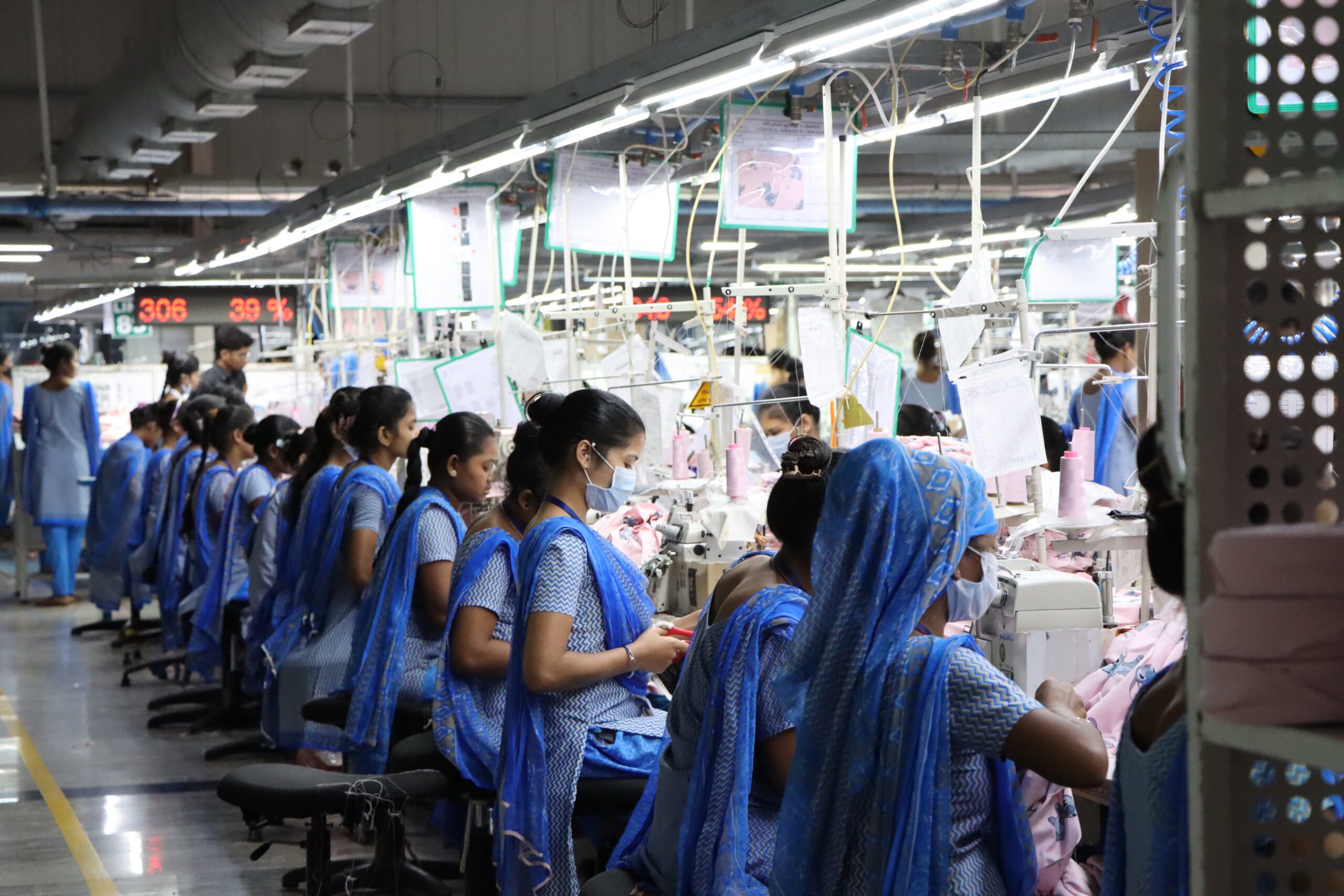
Young women employees of KPR Mill Limited on the production floor
I began this inquiry with a question: Can a textile mill be more than a site of production? The evidence from KPR suggests, emphatically, that it can. When
education, skilling, and production are treated not as separate domains but as
interconnected pillars, the result is a model that serves both industrial
competitiveness and social transformation. For India, the road to Viksit Bharat can
run through factory floors and classrooms where young women from Bihar and
Odisha, from Assam and Chhattisgarh, are quietly rewriting the terms of their
own lives.
The challenge now is to ensure that KPR’s model is not treated as an exception
but as a blueprint. If India is serious about its 2047 ambition, it must invest in replicating and strengthening such integrated models across its textile clusters
and beyond.
Click edit button to change this text. Lorem ipsum dolor sit amet, consectetur adipiscing elit. Ut elit tellus, luctus nec ullamcorper mattis, pulvinar dapibus leo.
Click edit button to change this text. Lorem ipsum dolor sit amet, consectetur adipiscing elit. Ut elit tellus, luctus nec ullamcorper mattis, pulvinar dapibus leo.
References:
Sankala Foundation. (2025). Threads of Change: A Case Study of Female Empowerment Initiatives from KPR Mills Pvt Ltd, Coimbatore, Tamil Nadu. Sankala Foundation, New Delhi.
Sankala Foundation. (2025). Proceedings of the National Conference on Women Leadership Moonshot: Shaping the Future. Sankala Foundation, New Delhi.
International Labour Organization (ILO). (2023). Barriers to Women’s Employment: Global Labour Force Participation by Sex. ILOSTAT Modelled Estimates.
United Nations (UN). Gender Pay Gap: Estimated at around 20 per cent globally. UN Equal Pay Day Factsheet.
UNESCO. (2024). Global Education Monitoring Report 2024. 272 million children and youth out of school worldwide.
UNESCO Institute for Statistics (UIS). Primary and Lower Secondary Education Completion Rate by Gender. World Bank Gender Data Portal.
World Bank. (2024). Gender Data Portal: Tracing Global Trends in Education. Poverty and girls’ school dropout data.
McKinsey Global Institute. Women’s Economic Participation: Potential Impact on Global GDP.
International Monetary Fund (IMF). GDP Impact Estimates of Closing Gender Gaps in Labour Force Participation.
Periodic Labour Force Survey (PLFS), India. Female LFPR data, 2017–18 to 2023–24.
Press Information Bureau, Government of India. Data on government schemes for women’s empowerment and textile sector initiatives.
ILO. (2020b). Women and Men in the Informal Economy: A Statistical Update. Geneva: ILO.
UN Women. (2024). Facts and Figures: Women’s Economic Empowerment.
This blog is based on original research conducted by the Sankala Foundation. The
views expressed are those of the author. Data cited from the study refers to the
report ‘Threads of Change: A Case Study of Women Empowerment in Textile
Sector of Tamil Nadu’ (Sankala Foundation, 2025).
As a visiting fellow, Dr Abha Jaiswal supports the public health vertical at Sankala. She holds a Master’s in Public Health from the City University of New York and an undergraduate degree in Dentistry. Her diverse experience spans research, advocacy, program implementation, and teaching in the public health field. Abha is driven by her commitment to advancing public health and tackling healthcare challenges.