World Pneumonia Day 2026 Pneumonia prevention must extend beyond childhood, ensuring older adults are not overlooked in our immunisation efforts.
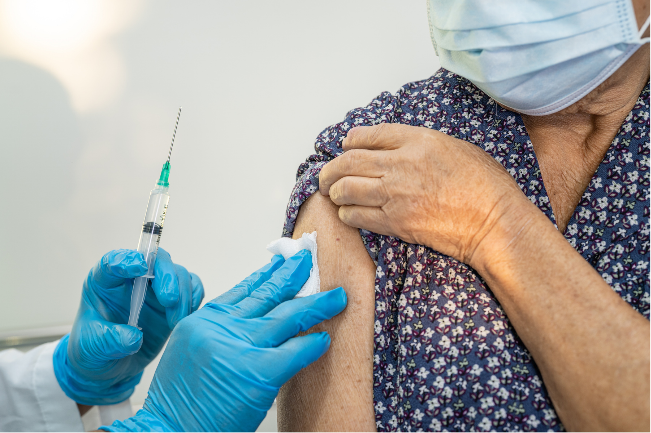
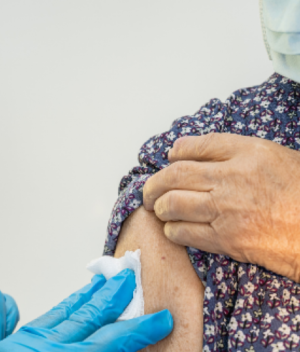
Elderly Age woman getting vaccine by doctorPhoto Courtesy: Canva
On World Pneumonia Day, we are likely to think about toddler struggling for breath in a hospital. WHO estimates that pneumonia killed 740,180 children under five in 2019, about 14% of all deaths in that age group, with the highest toll in southern Asia and sub-Saharan Africa (World Health Organization [WHO], 2022). That fight is far from over. However, older adults, too, are highly vulnerable to pneumonia. A grandmother’s persistent cough or a grandfather’s fever should not be dismissed as a minor illness. This year, let us turn our attention to our elders as well.
740,180
children under 5 died of pneumonia worldwide in 2019, 14% of all under-5 deaths
India is ageing at a faster pace. The 2023 India Ageing Report projects that older persons will outnumber children aged 0 to 14 years by 2046, and that the share of the population aged 60 and above will double by 2050 (IIPS & UNFPA, 2023). Our systems for preventive care have not grown at the same pace, and pneumonia is one of the major public health concerns.
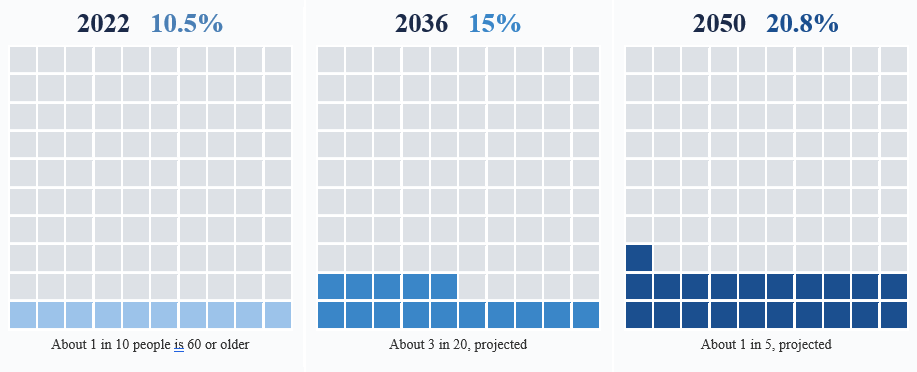
149 million
people aged 60+ in India in 2022, 10.5% of the population
347 million
projected aged 60+ by 2050, 20.8% of the population
+134%
growth of the 60+ population from 2022 to 2050, against +18% for the whole population
2046
year older persons are projected to outnumber children aged 0–14
Each square = 1 in every 100 people. Shaded squares are people aged 60+, rounded to the nearest whole square. The 2036 figure is the UNFPA projection of 15%. Source: International Institute for Population Sciences & UNFPA (2023), India Ageing Report 2023.
With age, the immune system weakens, a process called immunosenescence. Additionally, heart, lung or kidney disease, or a history of smoking and a common bacterium like Streptococcus pneumoniae can lead to a life-threatening infection. Age above 50 is itself a recognized risk factor for pneumococcal infection (Koul et al., 2026). In older people, up to 28% of invasive pneumococcal cases may end in death, and adults now account for most vaccine-preventable disease mortality in India (Maturu, 2026). In a surveillance study of Indian adults, pneumonia and meningitis were the two most common presentations of invasive pneumococcal disease, at 39% and 24.3% of cases respectively (Dhar et al., 2020).
There is also a ripple effect that families rarely see coming. A cohort study found that more than a quarter of hospitalised pneumonia patients (26.7%) developed cardiac complications such as new or worsening heart failure, arrhythmia or heart attack, and these were linked to higher 30-day mortality. Preventing the infection means preventing that whole cascade.
A gap in our system
India’s Universal Immunization Programme has been a remarkable success for children. For adults, vaccination has so far been guided largely by professional societies rather than by a national programme schedule, and uptake is low: the 2026 expert review notes that adult pneumococcal vaccine coverage in India remains low, contributing to a persistently high disease burden (Koul et al., 2026). For a country committed to Universal Health Coverage and a life-course approach to health, this is a gap we must close.
The professional community has begun to lead the way. The Indian Consensus Guidelines on Adult Immunization, developed under the aegis of the Association of Physicians of India with partner societies, marked a shift from opportunistic vaccination towards planned adult schedules.
What Older Adults Need to Know About Vaccination
Pneumococcal vaccine: The Indian Chest Society and National College of Chest Physicians recommend pneumococcal vaccination for all adults above 65, with a conjugate vaccine first for those with immunocompromising conditions or other defined risks. The newer 20-valent conjugate vaccine (PCV20) was approved in India in March 2025, and a 2026 multidisciplinary expert panel supported a single dose for all adults aged 50 and above and for at-risk adults aged 18 to 49. The 2026 API update lists PCV20 as a preferred option, replacing the older two-vaccine sequence for many adults. In Indian surveillance data cited by the expert panel, PCV20 covered 74.7% of invasive isolates in adults over 50, against 64% for PCV13. Anyone who has already had earlier pneumococcal vaccines should ask their physician what, if anything, is still due.
Annual influenza vaccine: Influenza is a major trigger for pneumonia. The 2026 API update strongly encourages yearly vaccination for everyone above 50 and for people with chronic conditions. Pneumococcal conjugate and influenza vaccines can be given at the same visit, in separate syringes and at different sites.
Recombinant zoster (shingles) vaccine: The 2026 API update recommends it for all adults aged 50 and above, irrespective of prior shingles. It is given as two intramuscular doses, usually two to six months apart.
RSV vaccine: Respiratory syncytial virus is not only a childhood infection. Adults aged 75 and above, or those with chronic heart or lung disease, may benefit from RSV vaccination, which is a conversation to have with a physician.
Documentation: The 2026 API update also recommends a standardized adult immunization card so that every dose is written down.
Reducing Pneumonia Risk Through Preventive Care
Vaccination works best alongside the other things we know protect lungs:
Clean air: Outdoor air pollution disproportionately harms older adults across Asia, so older people should limit exposure on high-pollution days and avoid indoor smoke from cooking fuels and tobacco.
Quitting tobacco: Smoking is a recognised risk factor for pneumococcal infection, and it is never too late to stop.
Managing chronic disease: Well-controlled diabetes, COPD and heart disease reduce the risk of complications from any infection.
Good oral hygiene and nutrition: Both are often overlooked in older people and both matter for lung health.
Early care-seeking: Fever, new cough, fast or laboured breathing, chest pain, or sudden confusion in an older person should never be brushed aside. In the elderly, pneumonia can present subtly, and confusion or unusual drowsiness may be the first sign.
The Way Forward: Let Research Frame Policy
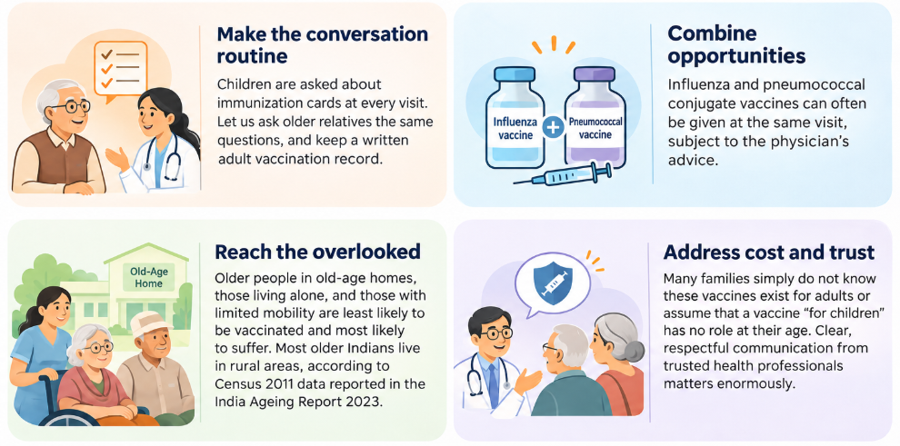
A vaccine does nothing sitting in a clinic fridge. Practical steps make the difference.
Practical steps to improve vaccine access and protect older adults
Conceptualied by Sankala Foundation | AI-generated visual
A call to action for policy
With the older population projected to grow by 134% between 2022 and 2050 while the total population grows by 18% (IIPS & UNFPA, 2023), adult immunization must move from the margins to the mainstream. That means evidence-based national guidance on adult schedules, a pathway for affordable or publicly supported access for older and high-risk people, integration of adult vaccination into primary care and programmes for non-communicable diseases, and surveillance that tells us what pneumococcal disease costs our elders. These are investments that pay for themselves in hospital days avoided and independent years preserved.
Protecting a child from pneumonia and protecting a grandparent are not competing causes. They are the same promise: that every breath counts, at every age. If you have an older parent, grandparent or neighbour, make one call this week. Ask their doctor which vaccines they are due for. It may be one of the most valuable conversations you have this winter.
RESCEU Investigators. (2020). Global and regional burden of hospital admissions for pneumonia in older adults: A systematic review and meta-analysis. The Journal of Infectious Diseases, 222(Suppl. 7), S570–S576. https://doi.org/10.1093/infdis/jiz053
Dr. Vaibhav Rastogi is a community physician and public health expert with over 14 years of experience. He holds an MD in Community Medicine and a Master's in Population Studies & Health Management. At Sankala Foundation, he leads public health research, digital health, and healthcare innovation. He previously supported child health programmes at the Ministry of Health & Family Welfare and managed projects backed by BMGF, WHO, USAID, and CDC.
Dr Simran Dutta is a public health professional specialising in digital health, health systems strengthening, and research. She holds a degree in Homoeopathic Medicine and a PGDM in Health Management from IIHMR, New Delhi. At Sankala Foundation, she contributes to research, policy analysis, and technology enabled solutions to improve healthcare access and outcomes.