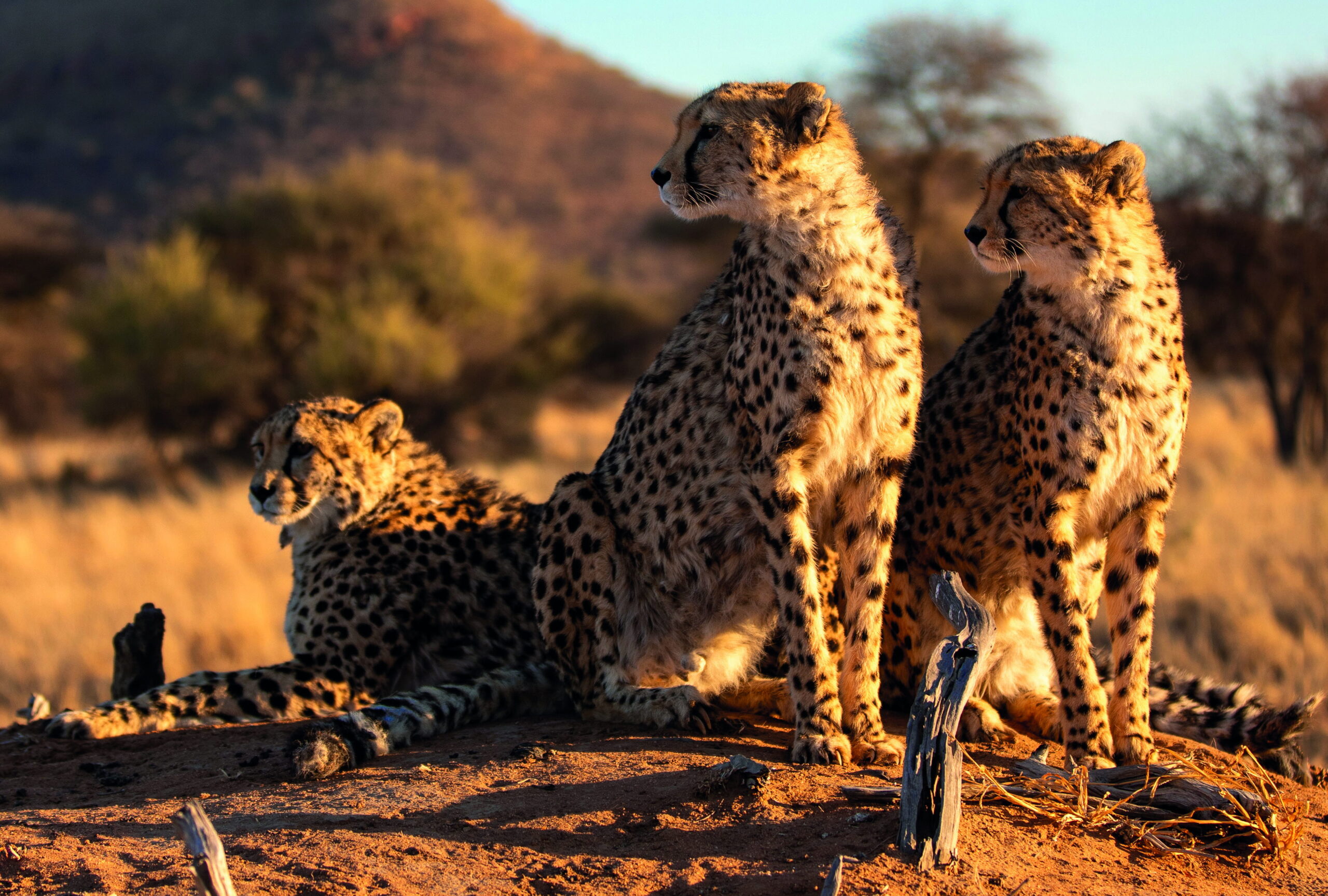
Photo Caption: A coalition of cheetahs atop a mound scanning for prey at the Etosha National Park, Namibia
Photo Courtsey: Captain Vishwas Patwardhan
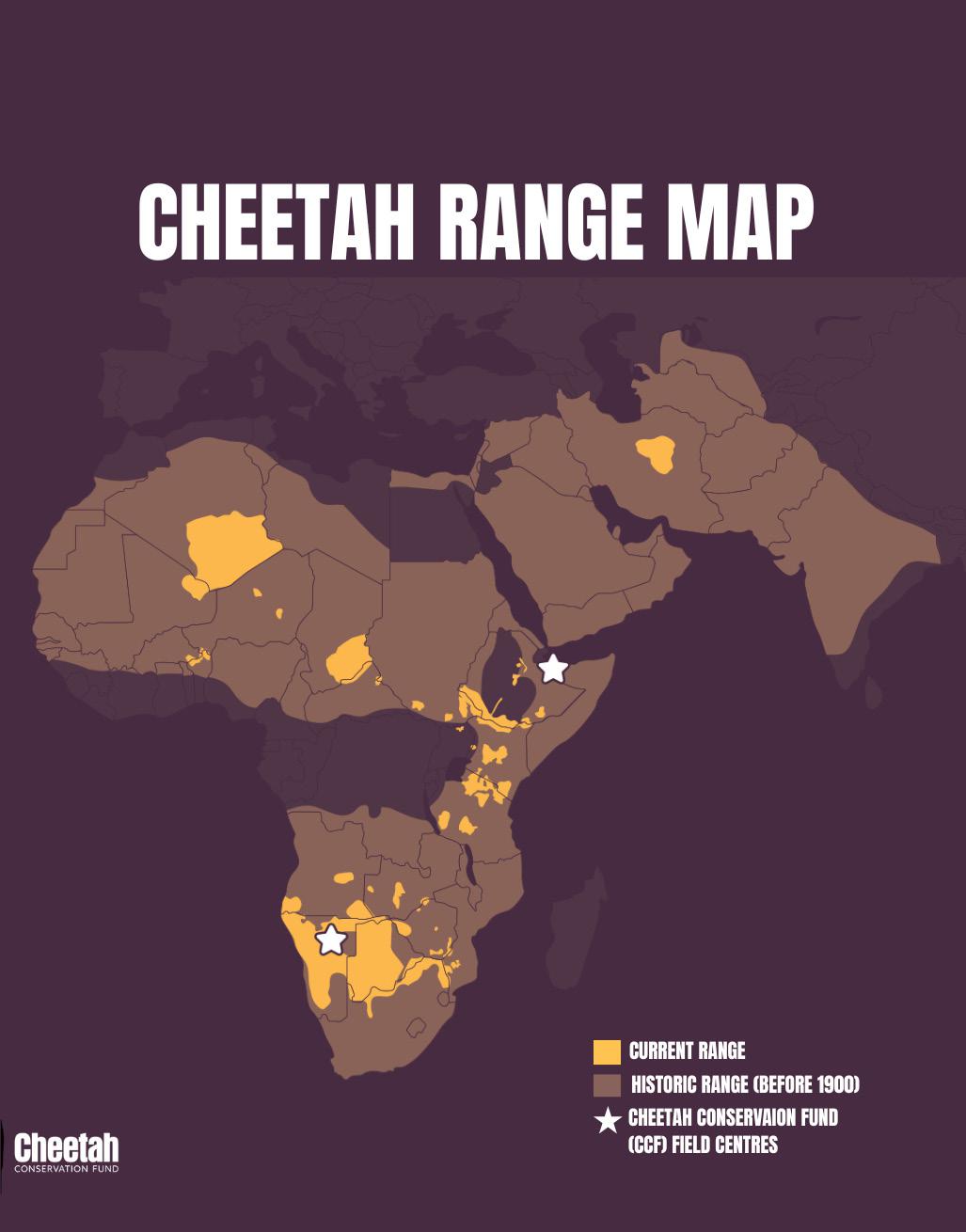
The cheetah has long captured the human imagination, its speed, elegance, and fragility symbolising both the beauty and vulnerability of the natural world. Yet today, the cheetah stands at a critical crossroads. With fewer than 7,000 individuals remaining in the wild down from over 100,000 a century ago and occupying less than 9% of its historic range, the species is facing a silent extinction.
From my decades of work in conservation across Africa and beyond, I have witnessed both the alarming decline of cheetahs and the extraordinary resilience of communities and ecosystems working to save them. The future of the cheetah will depend on our ability to confront complex challenges while embracing bold, collaborative opportunities.
Cheetahs are uniquely vulnerable among large carnivores. Unlike lions or leopards, they lack the physical strength to defend their kills or cubs against competitors. Their survival strategy depends on space – vast landscapes where they can hunt, avoid conflict, and raise their young. However, these landscapes are disappearing.
Human population growth, agricultural expansion, and infrastructure development have fragmented cheetah habitats across Africa and parts of Iran. As land is subdivided and fenced, cheetahs lose access to prey and safe movement corridors. Today, over 75% of the global cheetah population lives outside protected areas, primarily on farmlands. This places them in direct conflict with humans, particularly livestock farmers.
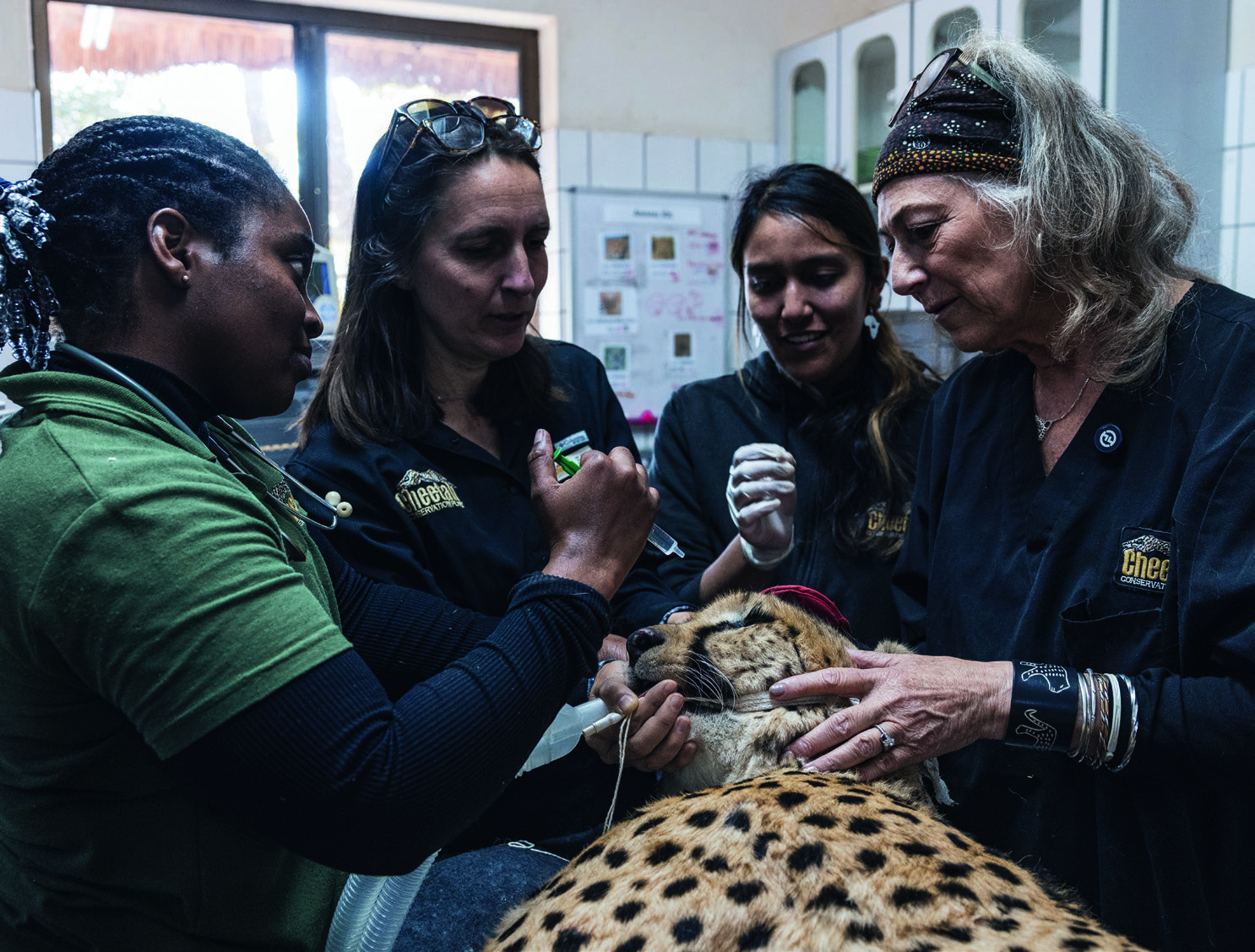
Scientific research is the backbone of conservation. Author (right) in her lab with her team, Namibia
Photo Courtsey: Gobind Bhardwaj
From my early work in Namibia, I learned that farmers, facing economic pressures, often view the cheetah as a threat rather than an asset. Even minimal livestock losses can have significant impacts on livelihoods, leading to retaliatory killing. At one time, hundreds of cheetahs were being removed annually from farmlands in Namibia alone.
Yet, this conflict is not simply about predators and prey, it is about economics, perception, and coexistence.
Human-wildlife conflict remains the single greatest threat to cheetah survival. Addressing it requires more than conservation science; it demands an understanding of human behaviour, culture, and economic realities.
New Strategies to Reduce Conflict
Over the years, we have developed and implemented a range of strategies to reduce conflict. One of the most successful has been the use of livestock guarding dogs. These dogs, raised with livestock, act as protectors and deterrents, significantly reducing predation. In Namibia, this programme has helped transform attitudes, turning farmers into conservation partners. For the farmers that use livestock guarding dogs, we have tracked over 80% reduction in livestock loss, protecting cheetahs and other predators.
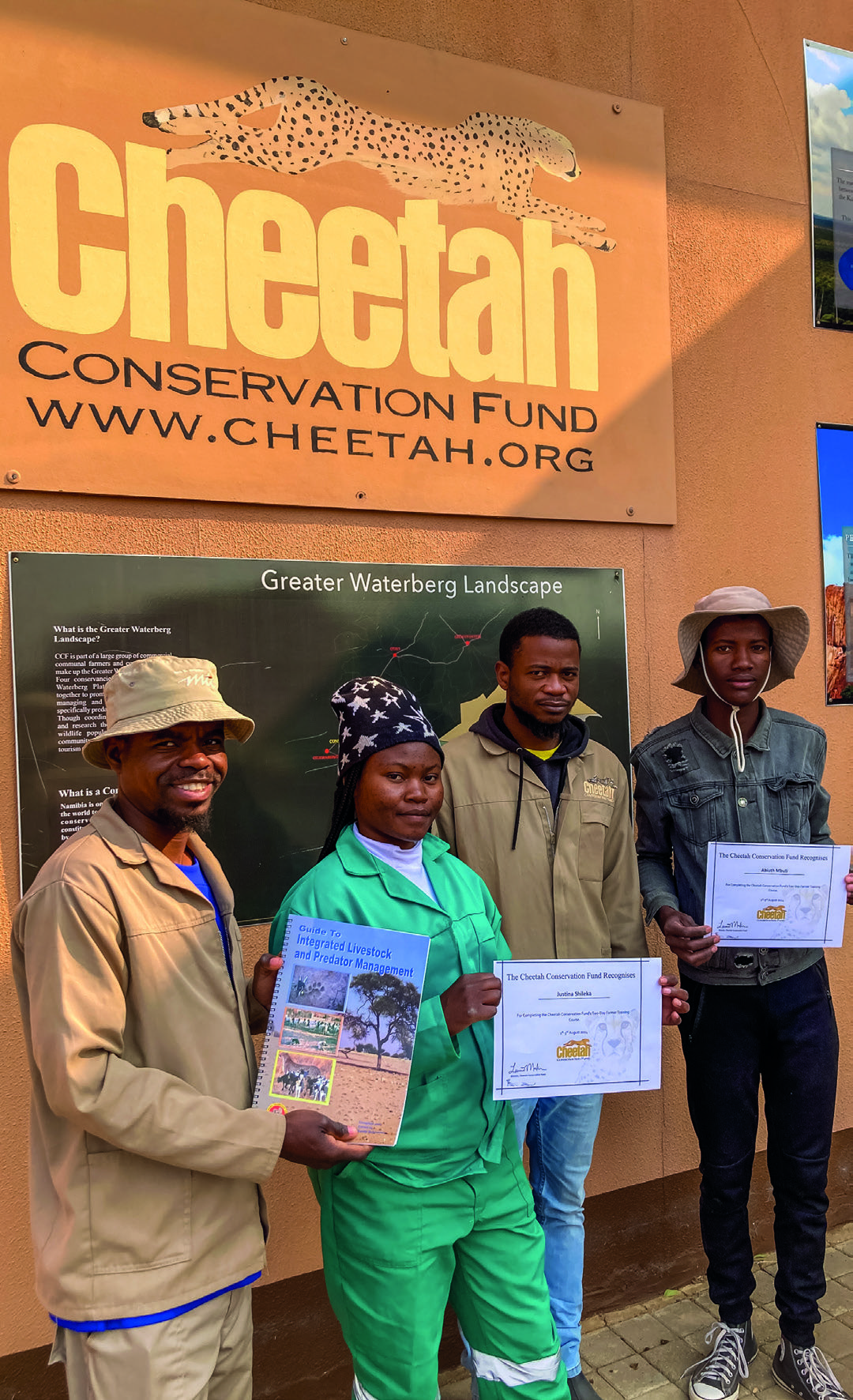
Education has also been key. Many farmers initially believed cheetahs were responsible for far more livestock losses than they were. Through training, data collection, and direct engagement, we were able to demonstrate that improved herd management practices could drastically reduce losses.
But perhaps most importantly, we worked to change the narrative from one of conflict to one of coexistence.
Conservation cannot succeed without the support of local communities. Protected areas alone are not enough. The future of cheetahs lies in shared landscapes on farms, in conservancies, and across transboundary ecosystems.
Community-based natural resource management (CBNRM) offers a powerful model. By giving communities, a stake in conservation, through tourism, sustainable agriculture, and wildlife-based enterprises, we can align economic incentives with ecological goals.
In Namibia, communal conservancies have demonstrated remarkable success. Wildlife populations have rebounded, and communities are benefitting directly from conservation through jobs, income, and improved infrastructure. When people see tangible benefits, they become stewards of the land and its wildlife.
The concept of Ecosystem Stewardship Farmers is another example. By promoting predator-friendly farming practices and offering premium pricing for sustainably produced beef, we can create market-driven incentives for coexistence. This approach recognises that conservation must compete economically with other land uses and provides a pathway to make it viable.
Reintroduction and Restoration: A Bold New Frontier
In recent years, we have seen a renewed interest in reintroducing cheetahs to parts of their former range. These efforts represent both an opportunity and a challenge.
Reintroduction is complex. It requires suitable habitat, sufficient prey, strong political support, and long-term funding. It also demands careful planning to ensure that introduced animals can survive and integrate into their new environment.
One of the most ambitious efforts has been the reintroduction of cheetahs to India, where the species had been extinct for over 70 years. This initiative represents a bold step towards restoring ecological balance and reconnecting people with their natural heritage.
While it is still early to assess long-term success, the project has already sparked global interest and demonstrated what is possible when nations commit to conservation at the highest levels. It also highlights the importance of science-based decision-making, international collaboration, and adaptive management.
We must approach reintroduction with both optimism and caution, recognising its potential while learning from each step along the way.
Advances in technology are transforming conservation. From satellite tracking and camera traps to genetic analysis and data modelling, we now have tools that were unimaginable just a few decades ago.
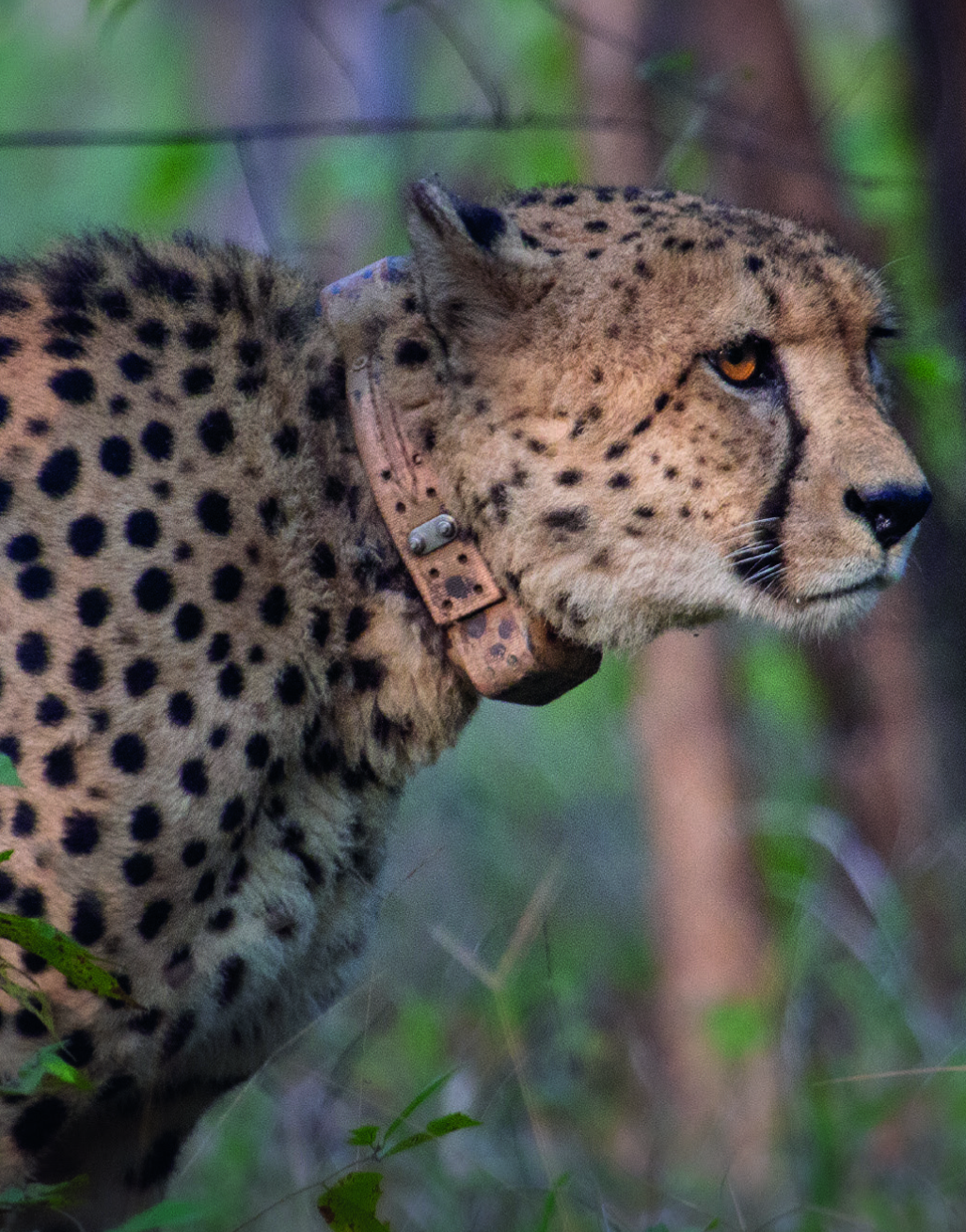
These tools allow us to better understand cheetah behaviour, monitor populations, and respond to emerging threats. For example, GPS collars provide insights into movement patterns, helping us identify critical habitats and corridors. Genetic studies inform breeding and translocation strategies, ensuring long-term viability.
A cheetah in Kuno National Park, India
Photo Courtesy: Source: Cheetah Conservation Fund
At the same time, innovation is not limited to technology. New approaches to conservation finance such as carbon markets, biodiversity credits, and impact investment are opening new funding streams. These mechanisms have the potential to scale conservation efforts and reduce reliance on traditional donor funding.
Climate change is adding a new layer of complexity to cheetah conservation. Changes in temperature and rainfall patterns are affecting prey availability, water sources, and habitat suitability. In some regions, prolonged droughts are increasing pressure on both wildlife and human communities, exacerbating conflict. In others, shifting ecosystems may alter the distribution of species, creating new challenges for conservation planning.
To address this, we must integrate climate resilience into our strategies. This includes protecting diverse and connected landscapes, supporting adaptive management, and working closely with communities to build resilience.
Collaboration Across Countries
Cheetah conservation is inherently global. The challenges we face – habitat loss, climate change, illegal wildlife trade – do not respect borders. Addressing them requires collaboration across countries, sectors, and disciplines.
Organisations, governments, researchers, and communities must work together, sharing knowledge and resources. Initiatives like global summits, international agreements, and partnerships are essential for aligning efforts and amplifying impact.
Courtsey: Cheetah Conservation Fund Farmers learn about conservation science and protecting the cheetah
The role of alliances, such as the International Big Cat Alliance, is particularly important. By bringing together stakeholders from around the world, these platforms can drive coordinated action, mobilise funding, and raise awareness at a global scale.
We must also engage the next generation. Young people are increasingly passionate about conservation, and their energy and innovation will be critical for the future. Education, mentorship, and capacity-building must be central to our efforts.
Despite the challenges, I remain optimistic about the future of the cheetah. Over the years, I have seen what is possible when science, community, and commitment come together.
We have reduced conflict, restored habitats, and changed perceptions. We have demonstrated that conservation can deliver real benefits to people and wildlife alike. But we must act with urgency. The window of opportunity is closing, and the decisions we make today will determine the fate of the cheetah for generations to come. The race to save the cheetah is one we cannot afford to lose.
Dr Laurie Marker is Founder/Executive Director, Cheetah Conservation Fund, Namibia. She has a special skill of teaching cheetahs to hunt before they are introduced into the wild.